DATE :
Feb 11, 2026
CATEGORY :
Construction
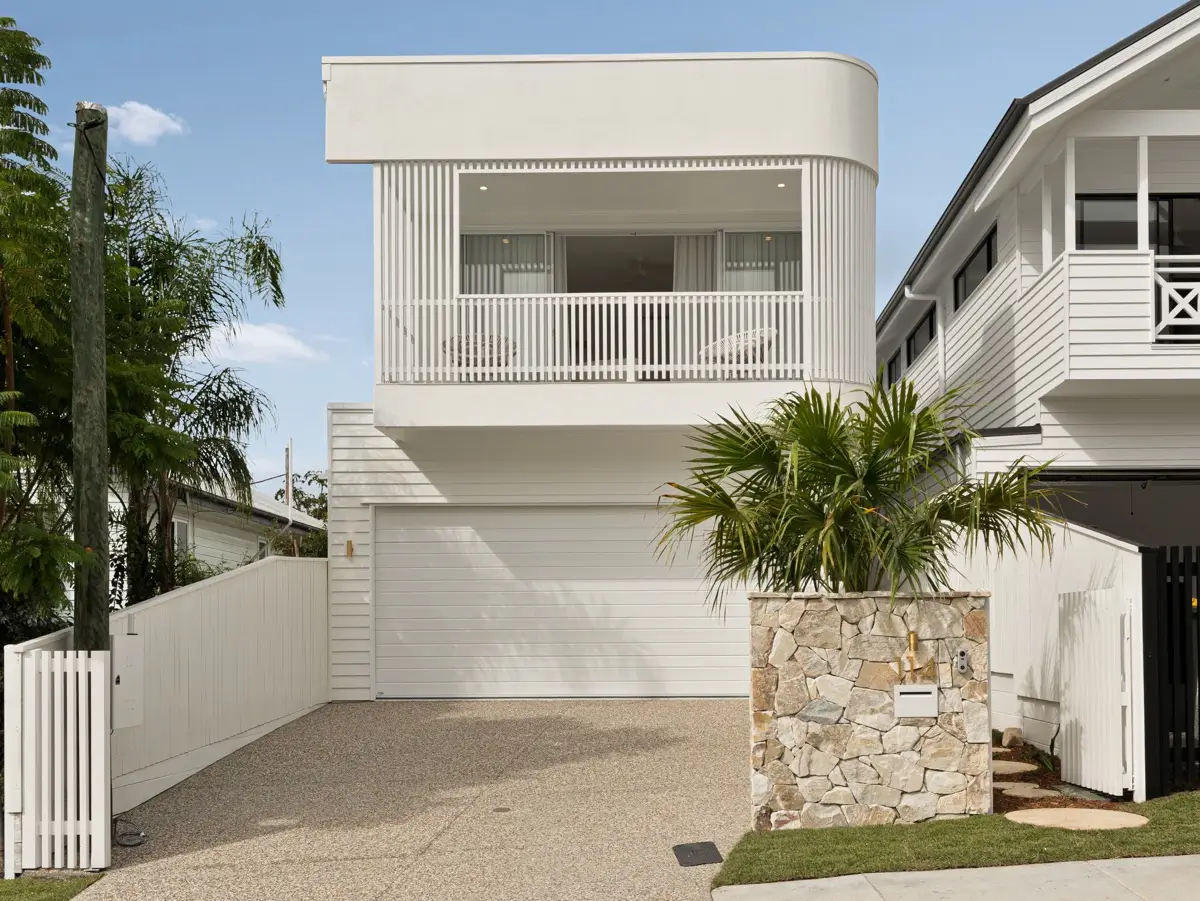
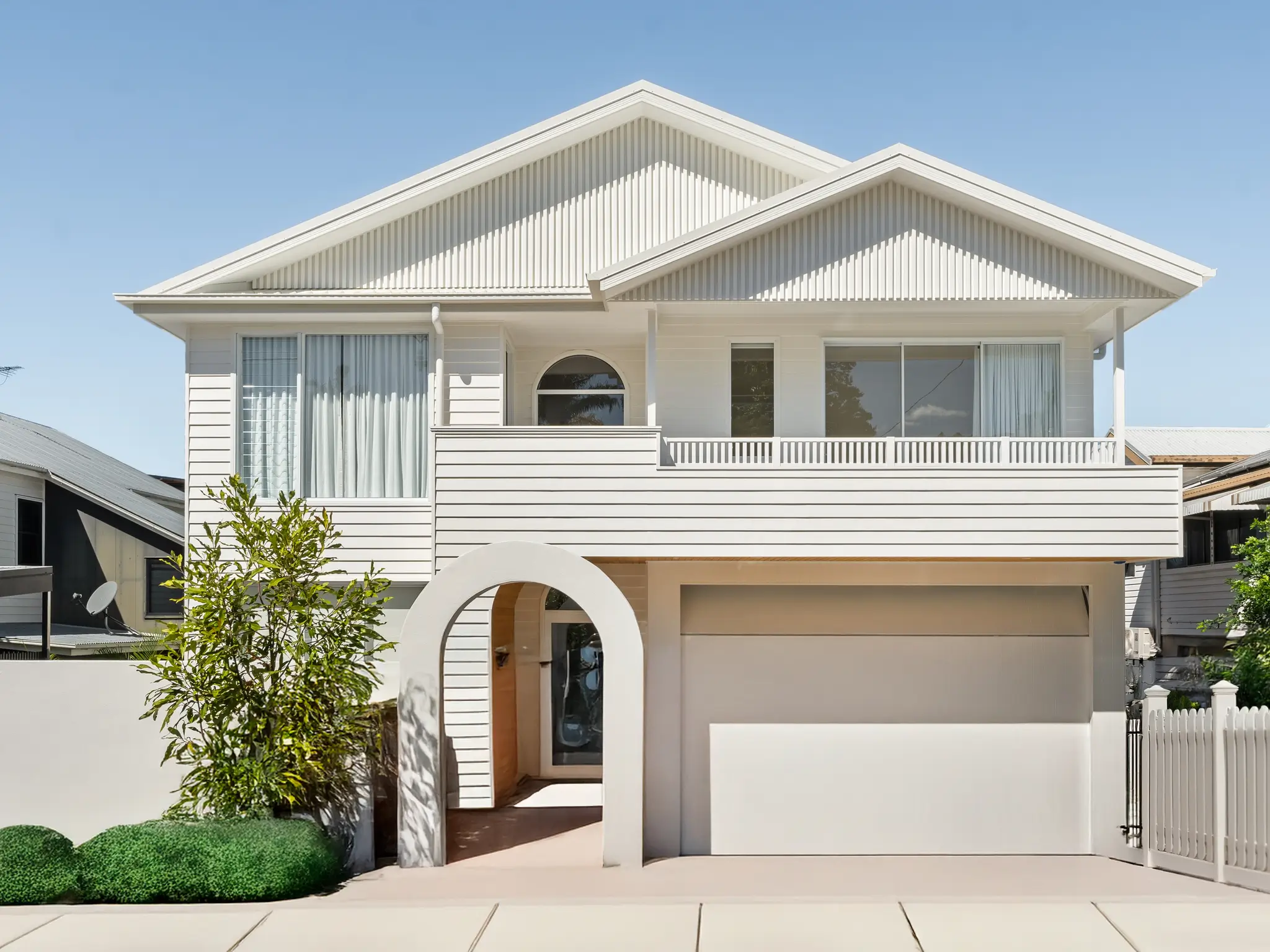
A narrow block in Brisbane isn't a limitation. As land in established suburbs becomes scarce, narrow blocks offer opportunities to build in desirable locations. With the right design approach, a 10-metre frontage can deliver a functional, well-designed family home.
Why Narrow House Plans Work in Brisbane
The quarter-acre block is increasingly rare in South East Queensland. Infill development and subdivided lots now create opportunities to build in established suburbs on smaller, narrower parcels of land. This shift makes thoughtful design essential.
Around Brisbane and the rest of South East Queensland, narrow house plans have become a complete game-changer. Data from the ABS shows the average site area for new homes dropped 13% from 496 square metres in 2012 to just 432 square metres in 2021. This isn't just a trend; it's a direct response to rising land costs and the way our city is growing. It's why narrow lots, typically those with frontages between 8.5m and 12.5m, are now the new normal. For a deeper dive, you can explore more data on Australian home sizes from the HIA.
Turning Constraints Into Opportunities
A narrow lot presents design opportunities rather than problems. Smart planning and efficient use of space create functional family homes on compact footprints. Well-designed narrow homes deliver practical advantages. The compact footprint encourages efficient layouts and creative use of vertical space. For example, a long hallway can incorporate built-in storage while creating clear sightlines through to living areas at the rear. A narrow footprint encourages vertical living and strategic use of natural light, often resulting in multi-level homes suited to the Brisbane lifestyle.
Benefits of Building on a Narrow Lot
Building on a narrow lot in Brisbane offers several practical benefits for families and homeowners.
Access to Prime Locations: These lots often pop up in established, desirable suburbs, putting you close to great amenities, schools, and the CBD.
Lower Maintenance: A smaller land footprint means less time spent on yard work and more time for you to actually enjoy your home and the local community.
Cost-Effective Construction: While the cost per square metre can be higher, the overall smaller size may result in lower total build costs. For example, a smaller foundation slab and roof area require less material and labour.
Energy Efficiency: A compact, well-designed home is generally easier and cheaper to heat and cool, which means lower utility bills for years to come.
Design Principles for Narrow Lots
Narrow block design relies on proven principles that maximise space, light, and functionality. These principles work together, starting with the overall structure and layering in details that improve liveability.
Build Up, Not Out
The primary strategy for narrow lots is vertical design. When lateral space is limited, adding storeys provides the required floor area. This approach is common in modern narrow house plans across Brisbane.
Going vertical is also a practical way to create separation between your living and sleeping zones. A common, actionable layout is placing the garage, laundry, and a home office on the ground floor. The main living, kitchen, and dining areas then occupy a light-filled second floor, with the private bedrooms tucked away on a third level. Just like that, you've doubled or tripled your floor area without taking up any more of your precious land. Multi-level design creates distinct zones for living, relaxing, and sleeping, improving functionality on a compact block.
Embrace Open-Plan Living
On narrow lots, reducing internal walls helps prevent cramped spaces. Open-plan layouts between kitchen, dining, and living areas create visual flow and make spaces feel larger.
This approach creates long sightlines from front to back, making spaces feel larger. For example, aligning the kitchen island with dining and living areas creates continuous visual lines that enhance the sense of depth.
Maximise Natural Light
Natural light is essential in narrow block design. Bright spaces feel more open and inviting. With neighbours in close proximity, strategic placement of windows, voids, and skylights manages both light and privacy.
Common approaches to maximising natural light include:
High-Level Windows: Clerestory windows, placed high up on a wall, let sunlight pour in without sacrificing privacy from neighbours.
Stairwell Voids: A double-height void above a central staircase acts like a light well. It channels sunlight deep into the core of the home, brightening up areas that would otherwise be dark and forgotten.
Skylights: These are brilliant for bathrooms, hallways, and kitchens that are stuck in the middle of the floor plan. A well-placed Velux skylight can transform a dim utility room into a bright, pleasant space.
Glass Doors: Large sliding or bi-fold glass doors opening onto a back deck or alfresco area are essential. They connect the inside living space to the outdoors, effectively extending the room and blurring the lines between inside and out.
Narrow home design works best when architecture and interiors are coordinated. Pairing thoughtful architecture with the principles of small space interior design creates cohesive, functional spaces throughout the home.
Common Narrow Home Layouts
Layout selection determines how a narrow home functions. The right approach addresses common narrow lot challenges such as natural light and privacy. In Brisbane's climate, designs that connect indoor and outdoor spaces work well. The following layouts address common challenges on narrow blocks, with different approaches to light, space, and functionality.
The Rear Living Design
The Rear Living layout is common in Brisbane narrow house plans. This design relocates the main living areas from the front of the house to the rear, positioning kitchen, dining, and living spaces at the back.
This approach allows for glass doors opening directly onto a private alfresco area or garden. For example, wall-to-wall bi-fold doors create flow between indoor and outdoor spaces. Locating living areas away from the street provides privacy and reduces street noise.
The Rear Living layout extends living space into the backyard, treating outdoor areas as integral to the home rather than secondary. This layout suits families who entertain frequently or need visible outdoor areas for children. It utilises the full block, not just the building footprint. For more ideas on functional family homes, see our guide on practical townhouse plans for narrow lots.
The Central Courtyard Design
On long, narrow blocks, the middle of the home can become dark. The Central Courtyard layout addresses this by creating a private, open-air void in the centre of the home.
This internal courtyard acts as a natural light well, bringing sunlight into the centre of the house. For example, positioning the dining room on one side and a home office on the other gives both rooms a private outlook and natural light.
This design addresses two common issues:
Light: Eliminates the tunnel effect in long, narrow homes, ensuring rooms receive natural light.
Privacy: Provides a private outdoor space shielded from neighbours on all sides.
Choosing the Right Layout for Your Family depends on block orientation, family needs, and lifestyle priorities. The following comparison shows how each design addresses key factors.
Navigating Brisbane's Building Regulations
Building on a narrow lot in Brisbane requires compliance with council regulations. These rules ensure new homes maintain privacy, sunlight, and airflow for neighbouring properties. Understanding these requirements early helps avoid delays. Working with an experienced builder makes navigating Brisbane City Council requirements more straightforward.
Understanding the Small Lot Code
For most narrow blocks in Brisbane, the Small Lot Code applies. This code covers lots under 450 square metres or with an average width under 15 metres. It manages building requirements for homes in close proximity.
The code ensures new homes don't negatively impact neighbours. It covers boundary setbacks, site coverage, and building height. Compliance with these requirements ensures homes integrate appropriately with their surroundings.
Key Rules You Need to Know
Several key requirements apply to most narrow lot projects. Setbacks and site coverage requirements define a home's maximum footprint and are the starting point for narrow house plans.
Boundary Setbacks: The minimum distance your home must sit from property boundaries. On narrow lots, a common approach is a 900mm setback on one side and building to the boundary on the other, which requires a fire-rated wall. This affects internal room width.
Site Coverage: This is the maximum percentage of your land that can be covered by buildings, your house, garage, sheds, the lot. For small lots, Brisbane City Council often caps site coverage at around 50%. This means on a 400sqm block, your ground floor footprint can't exceed 200sqm, which often makes a two-storey design essential.
Building Height: Height is generally restricted to 9.5 metres, which works out to be a standard two-storey home. This regulation helps maintain the scale of the neighbourhood, ensuring new homes don't tower over their neighbours and cast long shadows.
How Regulations Shape Designs
These requirements directly affect home design. For example, setback requirements may necessitate a single garage, which allows more internal width for living areas. Experienced designers identify these trade-offs early in the planning process.
Site coverage limits often lead to two-storey designs, which provide required floor area while maintaining open space on the block. Experienced builders design within these regulations, ensuring compliance while meeting functional needs.
Understanding the Costs of Building Narrow
A common question is whether a smaller block means lower build costs. The financial reality of narrow lot building is more complex. Understanding cost drivers helps with project planning. Cost effectiveness depends on design efficiency. Understanding where costs arise helps with realistic budgeting.
Factors That Influence the Budget
Several factors affect narrow lot build costs. These require planning and appropriate budget allocation.
Multi-Storey Construction: The classic strategy for a narrow lot is to build up, not out. But adding a second or even third storey brings in more complex structural engineering, extensive scaffolding, and stricter safety protocols. All of this can make it more expensive than a single-level home of the same total size.
Site Access and Logistics: A tight block means there's often nowhere to stash materials or park machinery. This requires more manual handling and precision-timed deliveries, adding a direct cost to your foundation stage.
Intricate Architectural Details: Narrow home designs often incorporate features such as double-height voids, cantilevered balconies, or complex rooflines. These elements require additional labour, specialised engineering, and may involve higher material costs.
Focus on structural integrity and waterproofing is essential. Strategic material selection for finishes helps manage overall costs while maintaining quality.
Approaches to Cost Management
Early planning helps manage costs. Working with an experienced builder from the outset allows for cost-effective design decisions. Building on a narrow lot requires balancing cost drivers with opportunities to manage expenses. Understanding both helps create realistic project budgets.
Common cost management approaches include:
Efficient Design: Rectangular layouts are generally more affordable than complex floor plans. Standard window sizes are typically less expensive than custom glazing.
Strategic Material Selection: Prioritising budget for high-use areas such as kitchen benchtops and main flooring, while selecting standard finishes for secondary areas, helps manage overall costs.
Future-Proofing: Quality insulation and energy-efficient windows involve higher upfront costs but can reduce ongoing energy expenses.
Planning A Custom Build
Planning a custom build on a narrow lot requires appropriate design and construction expertise. Understanding the opportunities and constraints of the site is essential. The process from concept to completion follows a structured approach. It begins with consultation and progresses through design, approvals, and construction, addressing site requirements and client needs at each stage.
Step 1: Initial Consultation and Property Assessment
The first step involves discussion about project goals, lifestyle requirements, and budget parameters. A property assessment analyses site orientation, slope, and access points. For example, sun path analysis determines optimal placement for living areas and windows. This stage gathers information required for design development.
Step 2: Collaborative Design and Transparent Quoting
Design development involves collaboration between builder, client, architects, and designers to create a narrow house plan that addresses space, light, and functionality requirements within budget parameters.
Following design refinement, a detailed quote is provided. Accurate costing for narrow lot builds requires precision in material quantities and labour estimates. Quotes should clearly itemise costs. Custom builds work best when client input and builder expertise align throughout the design and construction process.
Step 3: Construction and Handover
Once approvals are secured, construction begins. The builder manages all aspects of the build, from foundation work through to final finishes.
Regular updates and direct communication are maintained throughout construction. The final step is handover, when keys are provided and the completed home is transferred to the owner.
If you’re thinking about a custom build, knowing how to choose the right builder in Brisbane is absolutely crucial for a successful outcome.
Common Questions About Narrow House Plans
Common questions about narrow lot building in Brisbane:
How Narrow Is Too Narrow for a Family Home?
Narrow lots in Brisbane commonly have 10-metre frontages, though there's no definitive width that's too narrow. Well-designed homes function effectively on narrower blocks. Design approach matters more than absolute width. Custom design addresses site constraints through approaches such as built-in furniture and joinery that provide storage without reducing circulation space. This allows narrower rooms to remain functional.
Will a Narrow Home Feel Dark and Closed In?
Well-designed narrow homes avoid dark, cramped spaces through strategic design. The tunnel effect is addressed by incorporating natural light through multiple sources. Design elements such as high ceilings, double-height voids over living spaces, and strategically placed skylights bring natural light throughout the home, creating bright, open spaces. Combined with large glass doors connecting to outdoor spaces and appropriate interior colour selection, narrow homes feel open rather than confined.
Is a Knockdown Rebuild Suitable for Narrow Lots?
For owners of older homes on narrow blocks, knockdown rebuilds offer an option to remain in established neighbourhoods while constructing a new home designed for current needs. This approach maintains location advantages while updating the dwelling. This retains the existing location while providing a modern, energy-efficient home suited to current requirements.
Contact Flascon Construction Group to discuss your narrow lot build. We work with Brisbane sites across varying constraints. Arrange a free property assessment and quote.