
A Guide to the Stages for Building a House in Brisbane
Published Updated 6 min read
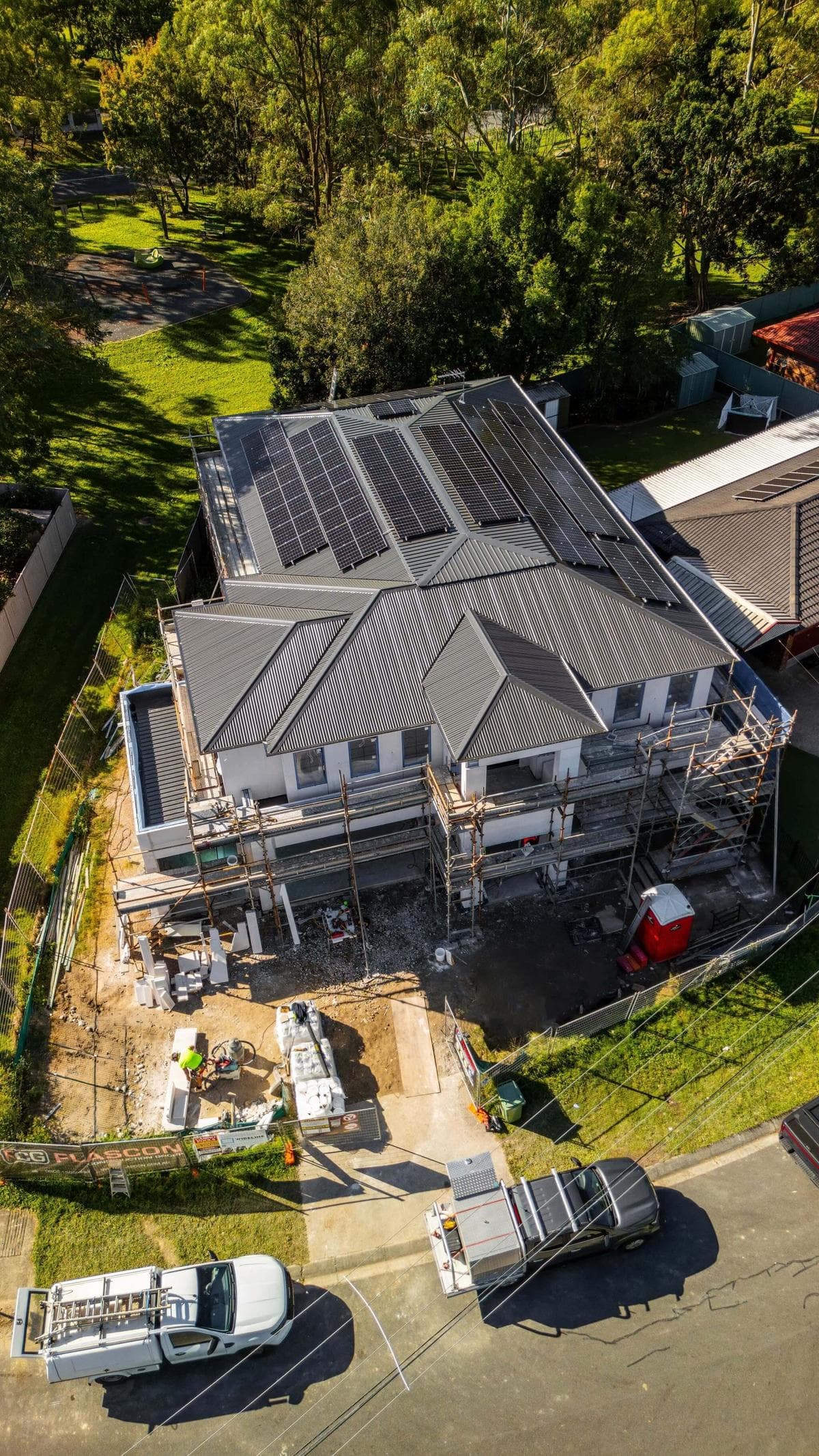
On this page
- What Happens in the Pre-Construction Stage?
- Key Decisions and Timelines in Pre-Construction
- What Happens During Site Preparation and Foundations?
- What Happens During Framing and External Finishes?
- What Happens During Services Rough-In?
- What Happens During Internal Fit-Out?
- What Happens at Practical Completion and Handover?
- Frequently Asked Questions
Building a new home is a significant undertaking that transforms a vision into a functional, custom-designed reality. The process typically unfolds across six distinct stages, from pre-construction through to handover.
- Pre-Construction (Planning & Approvals): before any physical work starts, the design must be finalised, engineering reports (soil tests and contour surveys) obtained, and council building permits secured. This phase sets your budget, timeline, and lifestyle requirements.
- Site Preparation and Foundations: clearing, cut-and-fill earthworks, and the foundation itself, slab or piers depending on the site.
- Framing and External Finishes: the structure takes shape and the home reaches lock-up, sealed from the weather.
- Services Rough-In: plumbing, electrical, and HVAC are run through the walls and ceiling cavities before plastering.
- Internal Fit-Out: insulation, plasterboard, waterproofing, cabinetry, and finishes bring the interior to life.
- Practical Completion and Handover: final checks, external works, and the walkthrough that hands you the keys.
What Happens in the Pre-Construction Stage?
Every successful custom home begins long before construction starts. This stage transforms your initial concepts into a detailed, buildable plan through due diligence, design, and strategic planning, ensuring all details are finalised before the first shovel hits the ground.
- Defining your vision and feasibility. The first step is defining the function and aesthetic of your future home.
- Project budget: beyond the construction contract, factor in land purchase, stamp duty, and landscaping, and keep a contingency fund for unforeseen site conditions like encountering rock during excavation.
- Lifestyle requirements: families may prioritise sightlines from the kitchen to the backyard, while those working from home may need acoustic separation for an office.
- Architectural style: a clear aesthetic direction, contemporary or Hamptons, helps guide material selections from the outset.
This is also the right time to explore our building process to see how an experienced builder navigates these early decisions.
- Site assessment and due diligence. A thorough site assessment is essential, particularly for the sloping or narrow lots common throughout Brisbane, letting the design work with the land's contours rather than against them. This stage involves soil testing to determine ground stability and contour surveys to map the slope. Identifying 'H2' class reactive clay, common in Queensland and classified under the National Construction Code's site classification requirements, allows engineers to design a foundation with genuine long-term integrity.
- Design development and documentation. Architects and designers translate your ideas into detailed drawings, evolving from initial sketches into a comprehensive set of construction-ready plans that serve as the primary reference for your entire build.
- Securing council approvals. The final step before construction is obtaining the necessary permits, submitting detailed plans and engineering reports for review. An experienced builder manages this process to keep documentation on track and avoid unnecessary delays.
Key Decisions and Timelines in Pre-Construction
| Phase | Client Decisions & Actions | Typical Timeline |
|---|---|---|
| Feasibility | Finalise budget, define lifestyle needs, select style, engage a builder. | 1-2 Months |
| Site Assessment | Approve costs for soil testing, contour surveys, other essential reports. | 2-4 Weeks |
| Design & documentation | Review concept sketches, floor plans, material selections; sign off final plans | 2-4 Months |
| Approvals | Sign necessary application forms for council lodgement. | 3-6 Months |
What Happens During Site Preparation and Foundations?
Once approvals are in place, site works commence: clearing the block and performing the cut-and-fill earthworks required for a level building pad. On sloping or constrained Brisbane lots, this requires precision to ensure site stability and effective water management from the outset.
The foundation is engineered to support the home’s weight based on specific soil conditions and site topography, and having a local builder who understands Queensland’s soil profiles is essential for keeping the schedule on track.
| Foundation type | Best suited to | How it works |
|---|---|---|
| Slab-on-ground | Flat or gently sloping sites | A single, thick concrete slab poured directly onto the prepared ground |
| Pier and beam | Steep or uneven sites | Concrete piers drilled deep into the ground, supporting a sub-floor frame of steel or timber beams |
The foundation does more than hold the house up, it anchors it to the earth, resisting soil movement, moisture, and the forces of nature. A properly constructed foundation is the best insurance policy for your home's longevity.
Managing potential site-specific costs
Complex blocks may need additional budget for rock removal, retaining walls, and stormwater management. For anyone planning a build on a challenging site, our sloping block specialists turn a difficult site into a genuine feature rather than a compromise.
What Happens During Framing and External Finishes?
The framing stage assembles the timber or steel structure forming the walls, floors, and roof, the first time the home’s scale and layout become tangible.
- Reaching the 'lock-up' stage. The goal is to seal the home from the elements so internal trades can begin: roofing, external wrap, and windows and doors.
- External cladding and street appeal. The exterior cladding defines the home's aesthetic while providing a primary defence against the Queensland climate. Brick veneer is known for durability and thermal mass; lightweight cladding is versatile and rot-resistant, suiting Hamptons or modern coastal aesthetics; rendered brick provides a sleek, solid finish favoured in minimalist designs.
What Happens During Services Rough-In?
Once the shell is secure, the rough-in begins, installing the hidden plumbing, electrical, and HVAC systems. Licensed trades run pipes, wiring, and ducting to their pre-planned locations within the wall and ceiling cavities before the plasterboard goes up.
This stage finalises the placement of every light switch, power point, and plumbing fixture, and it's the last real opportunity to verify these locations before the walls close. An on-site walk-through with your builder to confirm switch and outlet placement is worth doing now, adjustments during rough-in are straightforward, changes made after plastering are significantly more complex.
What Happens During Internal Fit-Out?
The interior fit-out defines the character of the home, following a precise sequence: insulation and plasterboard, waterproofing and cabinetry, fixing carpentry, finishing touches, and final fit-off.
What Happens at Practical Completion and Handover?
As construction nears completion, focus shifts to external works and final quality checks, driveways, fencing, and basic landscaping.
The Practical Completion Inspection (PCI) is a collaborative walkthrough with your site supervisor to identify any minor touch-ups or adjustments needed to meet your contract's standards. Once these are addressed, handover takes place, and you receive your keys and full documentation.
Frequently Asked Questions
How long does it take to build a custom house in Brisbane? Timelines vary based on site complexity and weather conditions, there's no single fixed number that applies to every build. For the full stage-by-stage breakdown, see our guide to how long it takes to build a house in Brisbane.
What are the biggest risks on a sloping or constrained block? The main considerations are excavation and drainage. A specialist builder identifies these factors early to ensure the design is both cost-effective and structurally sound.
When do I need to finalise my selections like tiles and colours? Ideally, key selections are locked in during the design stage, well before ground is broken, since this lets your builder give a precise quote and order materials ahead of time. As a general guide, final decisions on fixtures, paint colours, and finishes are needed just before internal fit-out begins.
For more advice on finding the right team, take a look at our blog on how to choose a custom home builder in Brisbane.
Ready to take the next step in your building journey? The team at Flascon Construction Group is here to provide the clarity and expertise you need. Contact us for a free property assessment or quote.
Keep reading
More Brisbane building guides
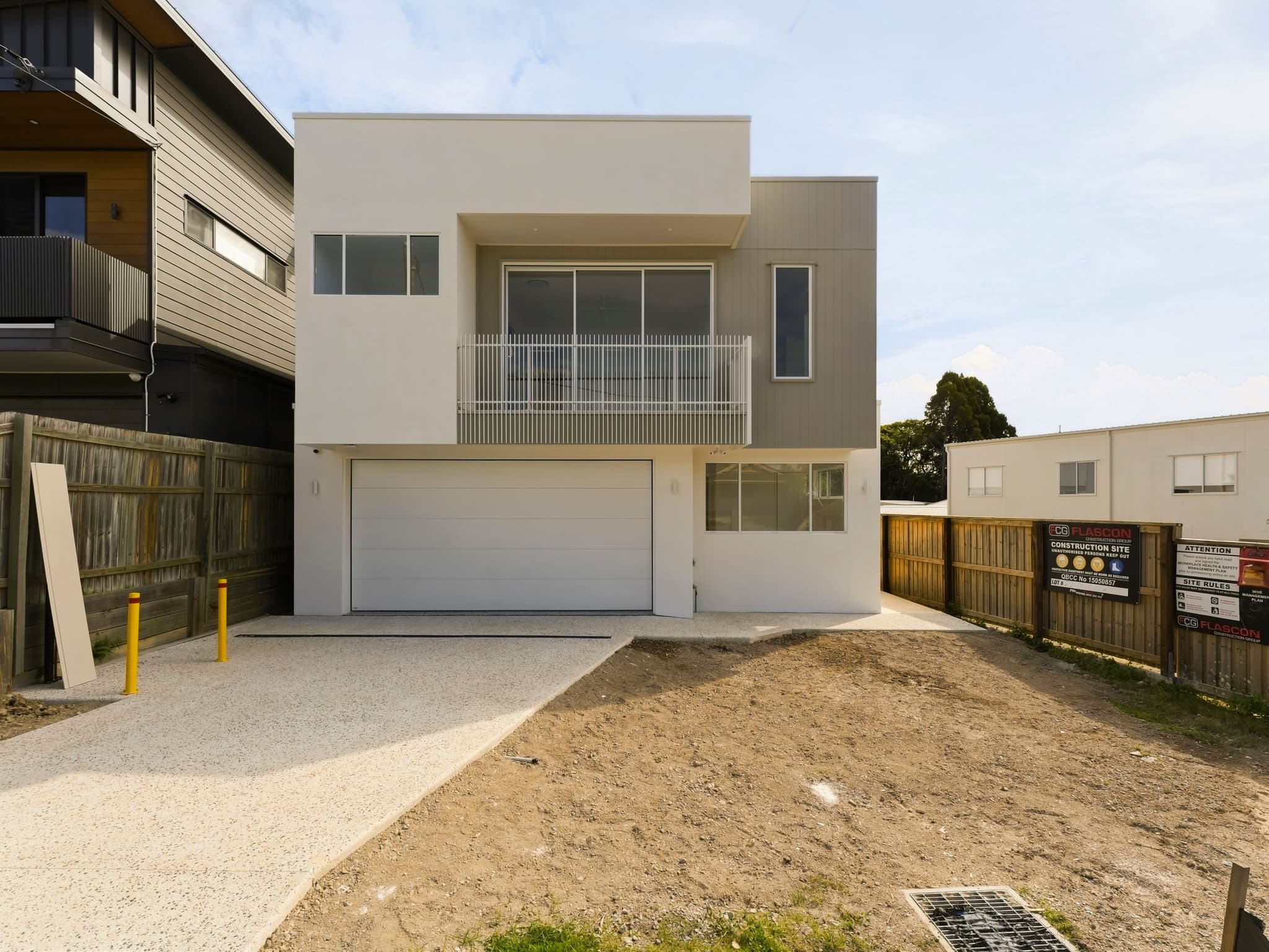
Building Guides6 min read
What a Soil Test Tells Your Builder Before You Build in Brisbane
What a soil test involves, what the AS 2870 site classification means, and why Brisbane's clay, rock and fill make it worth doing early.
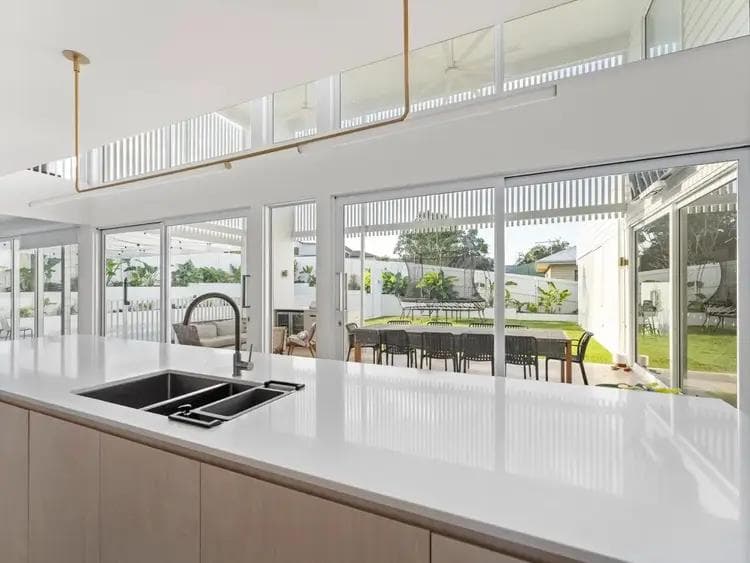
Building Guides6 min read
Your Pre-Handover Inspection Checklist for a New Home in Queensland
What to check at the pre-handover inspection of a new home in Queensland, what your builder hands you at practical completion, and what counts as a defect.
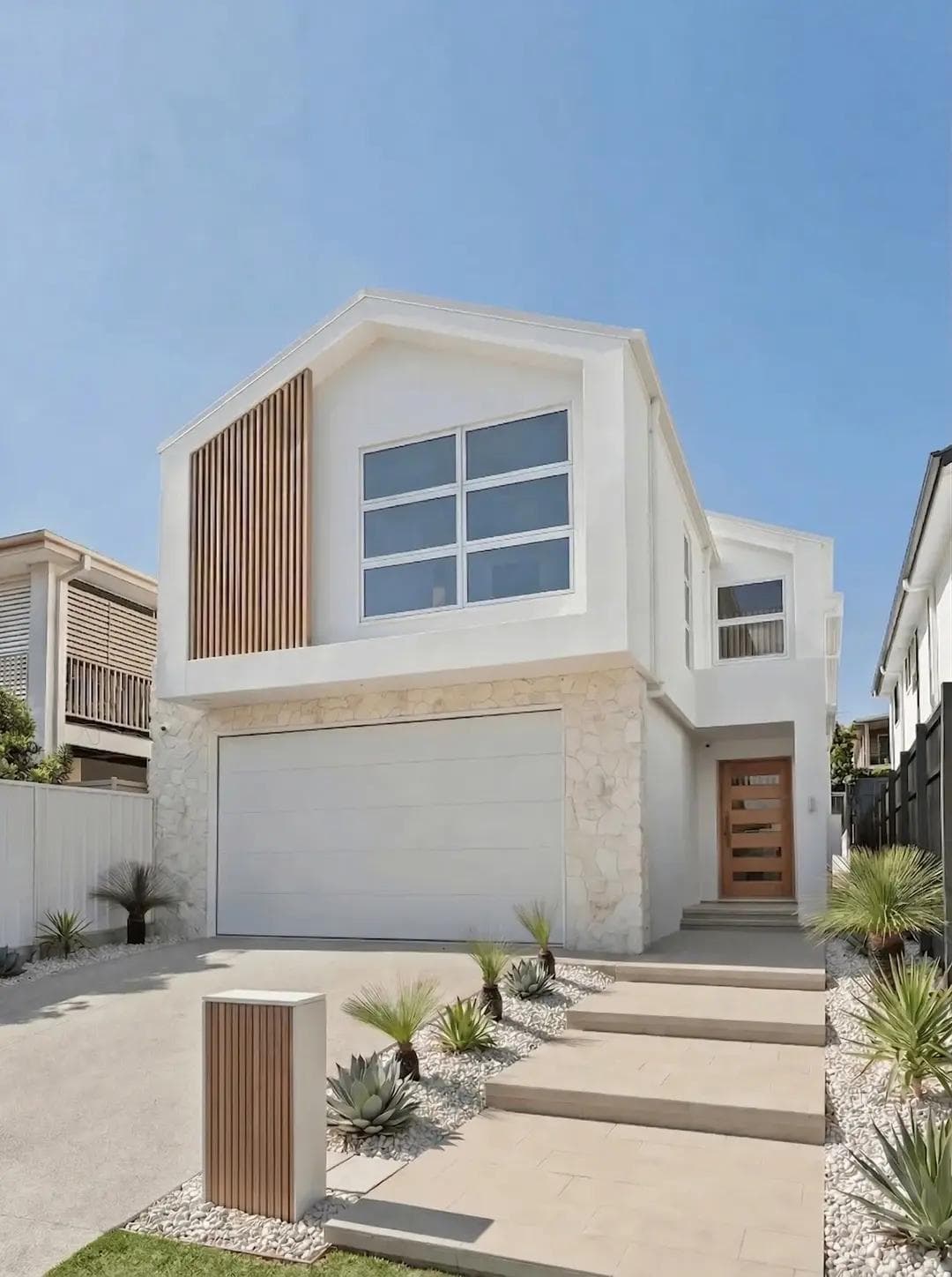
Building Guides7 min read
Knockdown Rebuild in Brisbane: The Step-by-Step Process
How a knockdown rebuild works in Brisbane, step by step: feasibility, demolition approval, asbestos, services, soil testing, building approval and construction.