
Building Luxury in Brisbane: The Custom Home Handbook
Published Updated 5 min read
On this page
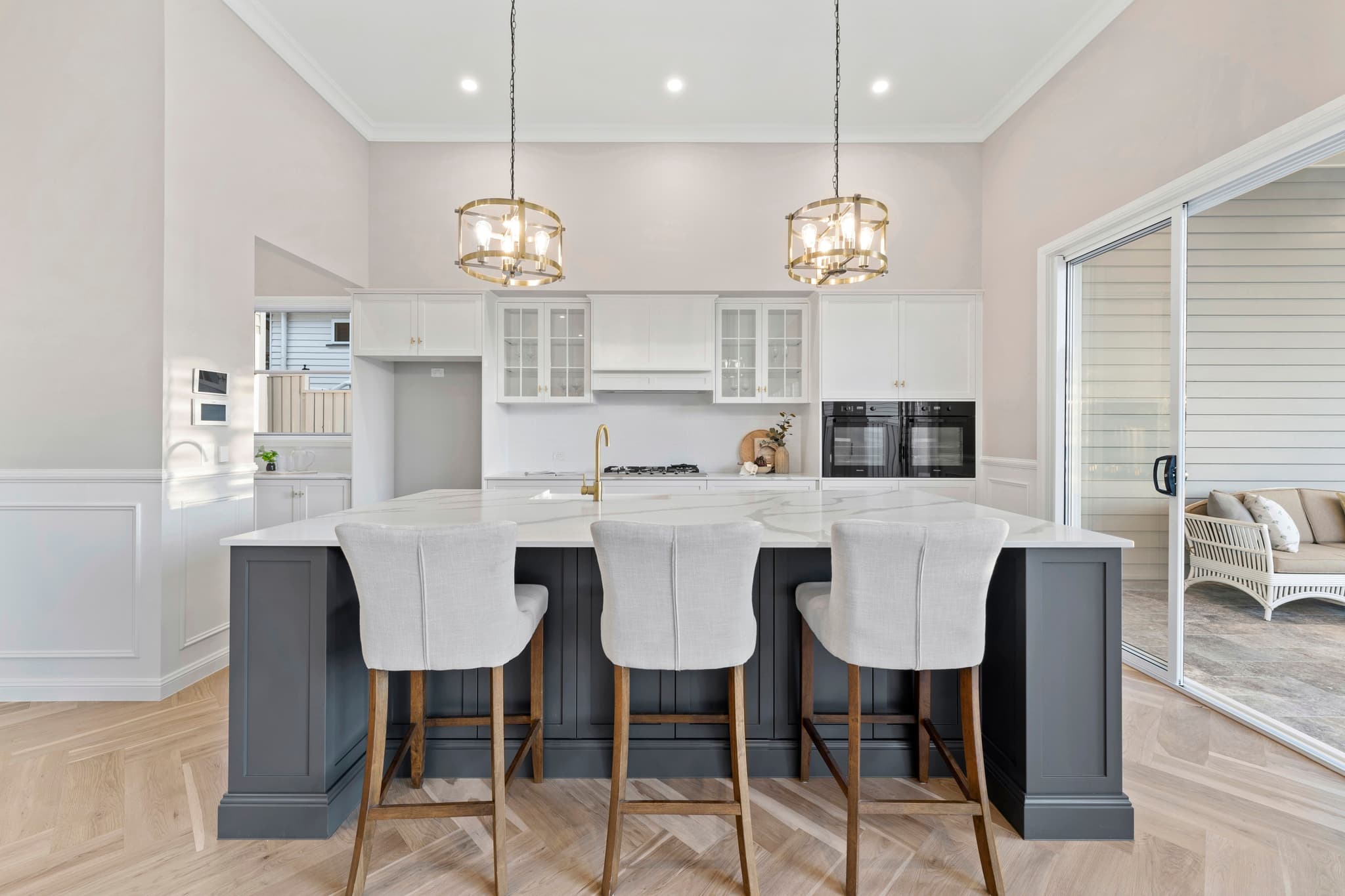
When we talk about true luxury house design, we are not simply referring to an oversized floor plan or expensive fixtures. True premium luxury is defined by the seamless integration of site-specific structural design, uncompromising trade craftsmanship, and a layout engineered to suit how your family actually lives.
Rather than trying to force your lifestyle into a pre-set project home brochure, a premium custom build is designed entirely around your daily routines and the unique contours of your land. In Southeast Queensland, achieving high-end results requires a deep understanding of local building codes, framing tolerances, and subtropical engineering. This guide breaks down the practical realities of executing a luxury house design Brisbane project from the ground up.
The Custom Builder's Perspective: Modern luxury is not skin-deep. A home only functions as a premium space if the underlying engineering has been meticulously detailed long before the concrete slab is poured.
The Core Hallmarks of a Premium Build
When walking through a high-end custom home, the layout should feel entirely intuitive. The most effective properties feature expansive, open-plan living areas that effortlessly transition into private zones like an isolated primary wing or a dedicated home library.
Bespoke home designers and luxury custom home builders Brisbane wide utilise specific structural techniques to manipulate light, air, and volume:
- Double-Height Voids: Implementing soaring ceilings in entryways or primary living spaces creates immediate spatial volume. Practically, this also acts as a thermal flue, allowing warm air to rise and escape through high-level automated windows.
- Oversized Structural Glazing: Utilising commercial-grade, floor-to-ceiling glass panels and carefully positioned picture windows brings natural light deep into the floor plan while maintaining strict structural load capacities.
- Strategic Site Orientation: Positioning the home to block the harsh western sun while capturing prevailing northeasterly breezes ensures the large spaces remain energy efficient.
The Core Elements of Luxury Structural Design
Selecting genuine, high-performing materials provides a tangible sensory and structural difference that synthetic alternatives cannot match. Australia's evolving luxury housing market shows that high-end buyers are moving away from superficial finishes, prioritising structural longevity, thermal efficiency, and genuine material authenticity instead.
| Structural Element | Engineering and Design Impact | Practical Construction Examples |
|---|---|---|
| Spatial Intelligence | Focuses on seamless flow, acoustic zoned living, and flush-threshold transitions to outdoor entertaining areas. | Open-plan layout, private master wing, alfresco areas with fully recessed sliding tracks. |
| Light & Volume | Utilises specific design features to maximise natural light reducing reliance on artificial lighting. | Double-height entry foyers, structural steel-framed floor-to-ceiling glass, clerestory windows. |
| Material Authenticity | Prioritises genuine, raw materials that offer immense durability and structural longevity over synthetic alternatives. | Natural stone benchtops, solid timber flooring, structural off-form concrete. |
| Bespoke Detailing | Involves custom-engineered and crafted elements tailored specifically to the home’s framing footprint. | Concealed box gutters, shadow-line plastering cornices, custom-built floating timber staircases. |
Engineering for Brisbane's Challenging Sites
A well-considered luxury design must address the geographical realities of its location. In Brisbane, this frequently means adapting premium home features to steep hillsides or narrow inner-city envelopes.
Transforming Sloping Blocks into Triumphs
A block with a steep incline requires a highly sophisticated structural approach. Rather than relying on aggressive, costly cut-and-fill earthworks that damage the landscape, custom designs typically utilise a split-level layout that steps with the natural topography.
On a downward slope, we often engineer the upper levels for the main living zones to capture elevated views, while the lower levels house secondary living spaces or rumpus rooms that flow directly onto terraced pool areas. You can view our structural solutions for these sites via our dedicated sloping blocks guide.
Vertical Planning on Narrow Lots
Building on a tight inner-city footprint requires vertical planning to inject a sense of space. We look at internal light wells to draw sunlight directly into the core of the lower levels. Additionally, positioning staircases and wet areas along a single solid boundary wall maximises the usable width available for primary living zones, eliminating a narrow "corridor" feel.
The Knockdown-Rebuild Advantage
If you are established in a sought-after Brisbane suburb but your current property no longer suits your needs, a knockdown-rebuild provides a clean slate. It allows you to deliver a modern, custom luxury design to the site without the structural compromises, unexpected rot, and framing limitations often uncovered during a major renovation.
Discreet Automation and High-End Amenities
High-end amenities and integrated technology must be factored into the initial design and planning stages to ensure they are seamlessly hidden within the framing and bulkheads.
- The 'Invisible' Smart Home: True luxury tech is integrated discreetly. Working with specialised low-voltage contractors early in the design phase ensures that smart home systems are cleanly integrated back to a central AV hub, leaving your walls completely free of visual clutter.
- Bespoke Lifestyle Amenities: Premium builds frequently incorporate spaces dedicated to highly specific residential uses, such as climate-controlled wine cellars with insulated glass feature walls, or professional outdoor kitchens featuring built-in marine-grade appliances and custom stone benchtops designed to withstand the outdoor elements.
Navigating The Custom Construction Timeline
A bespoke home requires a realistic, structured timeframe. For a custom luxury build in Brisbane, the process typically takes 18 to 24 months from the initial concept sketch to final handover.
The Standard Construction Roadmap
- Design & Approvals (6 - 12 Months): Developing floor plans, conducting soil tests, completing structural engineering calculations, and securing Brisbane City Council approvals.
- Pre-Construction (1 - 3 Months): Finalising fixed-price contracts, selection of internal finishes, ordering long-lead materials, and scheduling trades.
- The Physical Build (9 - 18 Months): Detailed site excavation, footings, pouring slabs, structural framing, lock-up, internal fit-out, custom joinery installation, and final landscaping.
FAQ: Navigating a Custom Luxury Project
What are the primary cost drivers in a luxury build?
The final investment is dictated by site complexity, structural engineering spans, and your chosen tier of finishes, such as fully custom joinery and imported natural stone.
When should I engage a builder?
We strongly recommend engaging a custom builder during the early concept design phase, well before final working drawings are completed. A builder provides crucial real-world feedback on construction methodologies and structural costing, ensuring your design can actually be built within your target financial scope.
Build to Last with Flascon Construction Group
Transitioning a luxury design from a 2D drawing into a physical reality demands an experienced custom builder team that understands high-end tolerances and structural execution.
As a luxury home builder in Brisbane, we plan those tolerances from day one. See our approach to luxury builds.
At Flascon Construction Group, we specialise in the construction of bespoke custom homes across Brisbane. Explore our recent work to see our craftsmanship in action, or get in touch with our team today to arrange a free site feasibility assessment for your block.
Keep reading
More Brisbane building guides
Building Guides6 min read
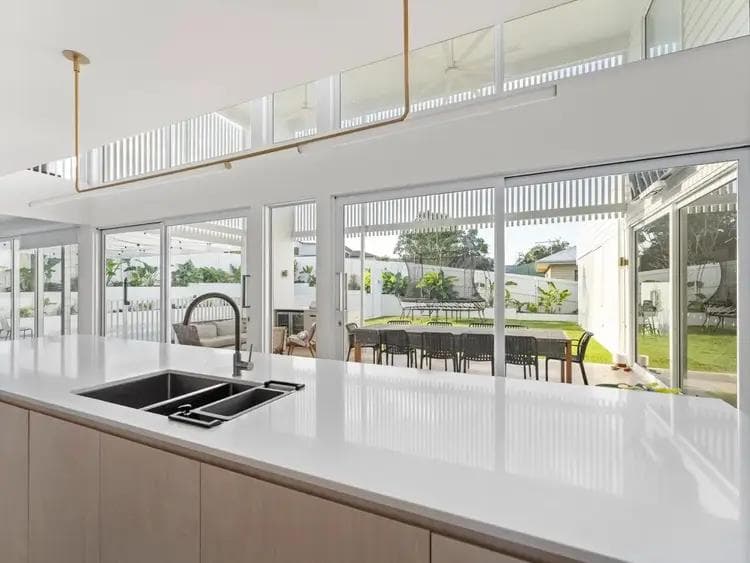
Your Pre-Handover Inspection Checklist for a New Home in Queensland
What to check at the pre-handover inspection of a new home in Queensland, what your builder hands you at practical completion, and what counts as a defect.
Building Guides7 min read
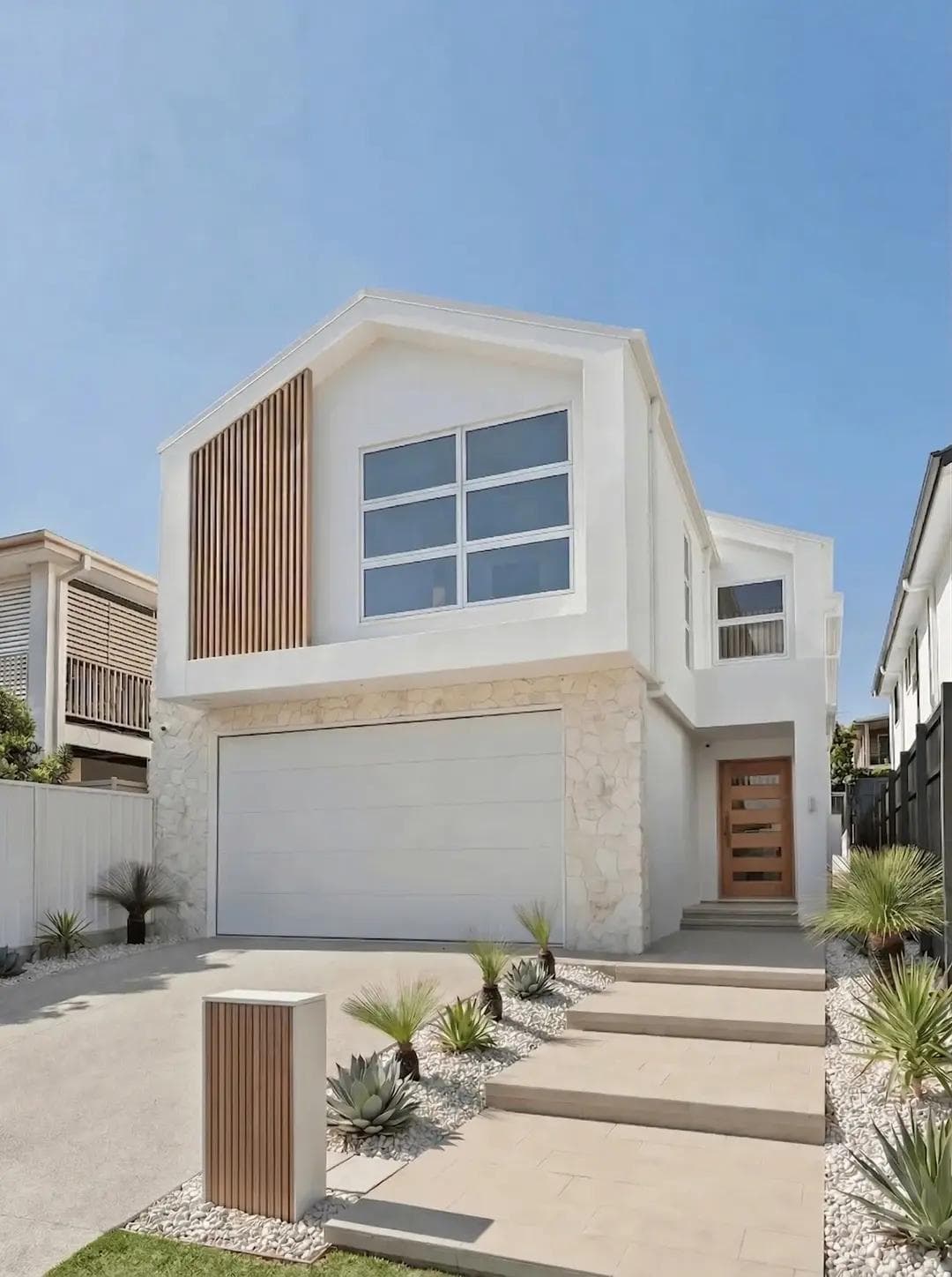
Knockdown Rebuild in Brisbane: The Step-by-Step Process
How a knockdown rebuild works in Brisbane, step by step: feasibility, demolition approval, asbestos, services, soil testing, building approval and construction.

Building Guides6 min read
Building Contracts in Queensland: Fixed Price vs Cost Plus
Fixed price and cost plus building contracts explained for Queensland home builds, plus the deposit, payment and paperwork rules the QBCC sets.