
Corner Block House Designs: What You Need to Know
Published 6 min read
On this page
- Why Are Corner Blocks a Unique Design Opportunity?
- What Regulations and Site Constraints Apply to Corner Blocks?
- What Are the Practical Realities of Building on a Corner Block?
- How Do You Zone a Corner Block Floor Plan?
- What's Your Pre-Build Checklist for a Corner Block Project?
- Frequently Asked Questions
Building on a corner block offers significantly more design flexibility than a standard mid-street lot, but it also comes with strict council considerations. With two street frontages, increased exposure, and specific boundary setbacks, getting the regulatory and practical detail right matters immensely, before a single design decision is locked in.
Top considerations for corner block house designs:
- Secondary setbacks: understanding how council building envelopes dictate your floorplan.
- Corner splay requirements: the truncated corner some councils require for sightlines at the intersection.
- Driveway placement: shifting the garage to the secondary street to maximise the primary facade.
- Solar orientation: positioning living spaces north to capture light from dual exposed frontages.
- Easements and site slope: checking the title and contours before design begins.
Why Are Corner Blocks a Unique Design Opportunity?

Corner blocks are often seen as more complex due to traffic exposure, additional setbacks, and higher design expectations from council. In practice, these same factors create opportunities for orientation, street presence, and more deliberate planning.
With fewer adjoining neighbours, corner blocks often allow for increased natural light and cross-ventilation. Many designs prioritise northern or north-eastern aspects for living areas, while managing western exposure through shading, setbacks, or window placement.
Corner blocks also offer more flexibility around access and internal zoning. Garages are often positioned on the secondary street, which allows the main frontage to be used for living spaces, entries, or landscaping.
What Regulations and Site Constraints Apply to Corner Blocks?
Before diving into the creative aspects of your design, it's essential to understand the rules that apply to corner blocks. These regulations influence everything from where you can build to how the finished home is presented to the street.
What Are Council Setbacks and Building Envelopes?
The single biggest factor dictating your design is the building envelope, the defined area on your block where you can build. This is determined by council-mandated setbacks, which specify the minimum distance between the home and each boundary. On a corner block, both street frontages typically have setback requirements, shaping the available building envelope and influencing overall layout.
What Is a Corner Splay and Do You Need One?
Many corner blocks also carry a corner splay requirement, a truncated, angled corner at the intersection itself, required to preserve clear sightlines for traffic and pedestrians. Where a splay applies, it effectively removes a small triangular portion of the buildable envelope right at the corner, which needs to be factored into the design from the earliest site planning stage rather than discovered partway through documentation.
What Are the Practical Realities of Building on a Corner Block?
Beyond council regulations, the physical characteristics of the block present their own challenges and opportunities.
Driveway Placement and Access
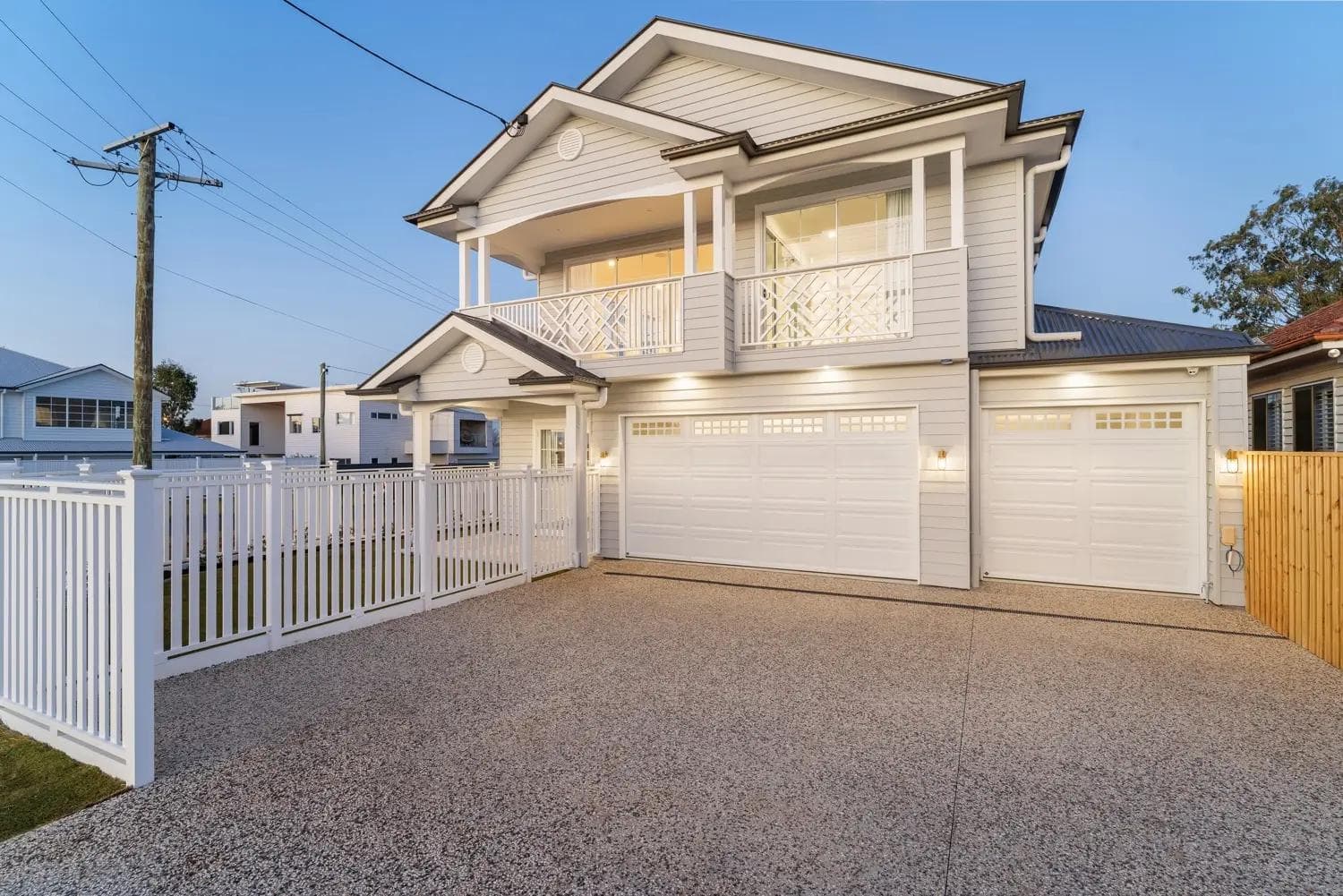
One of the best features of a corner lot is having options for your driveway. A common and highly effective strategy is to place the garage access on the secondary street. This keeps the garage door from dominating your main frontage, allowing for a more aesthetically pleasing facade with features like a verandah or large windows.
Solar Orientation and Energy Efficiency
With two sides exposed, solar orientation plays a significant role in comfort and energy efficiency. In Brisbane, this often means positioning living spaces to the north or north-east to capture natural light and prevailing breezes, while carefully managing western sun through shading, setbacks, or window sizing.
Privacy and Fencing Considerations
Increased exposure means privacy must be considered from the outset. Window placement, setbacks, landscaping, and fencing all play a role in balancing openness with privacy. On corner blocks, fencing is often subject to stricter height and transparency controls along both street frontages, not just the front boundary, making thoughtful design and layered landscaping particularly important. Front and secondary-frontage fencing is often more restricted than side or rear fencing, so it's worth checking the specific height and transparency rules that apply to each boundary of your block before settling on a design.
Checking for Easements and Site Slope
Two final but crucial checks: always examine the property title for easements. These are areas utility companies can access, and you typically cannot build over them. Finding an easement running through your planned living room is a costly mistake.
Likewise, many corner lots slope in two directions. While this can complicate the build, it's also an opportunity for a striking split-level design that follows the land's contour. For any block with a noticeable fall, it's vital to work with sloping block specialists to ensure the design is both cost-effective and structurally sound.
How Do You Zone a Corner Block Floor Plan?

Successful designs start with intelligent zoning, organising the floor plan around how the home will be used. On a corner block, this often means positioning private spaces away from the busiest street edges and using layout to buffer noise and activity from living areas.
The L-shaped layout is commonly used on corner blocks to create protected outdoor areas while maintaining a clear relationship with both street frontages.
The U-shaped layout, if you have more space, offers even greater privacy. This layout creates a central courtyard embraced by the home on three sides, offering exceptional seclusion and an excellent way to direct northern light into multiple rooms.
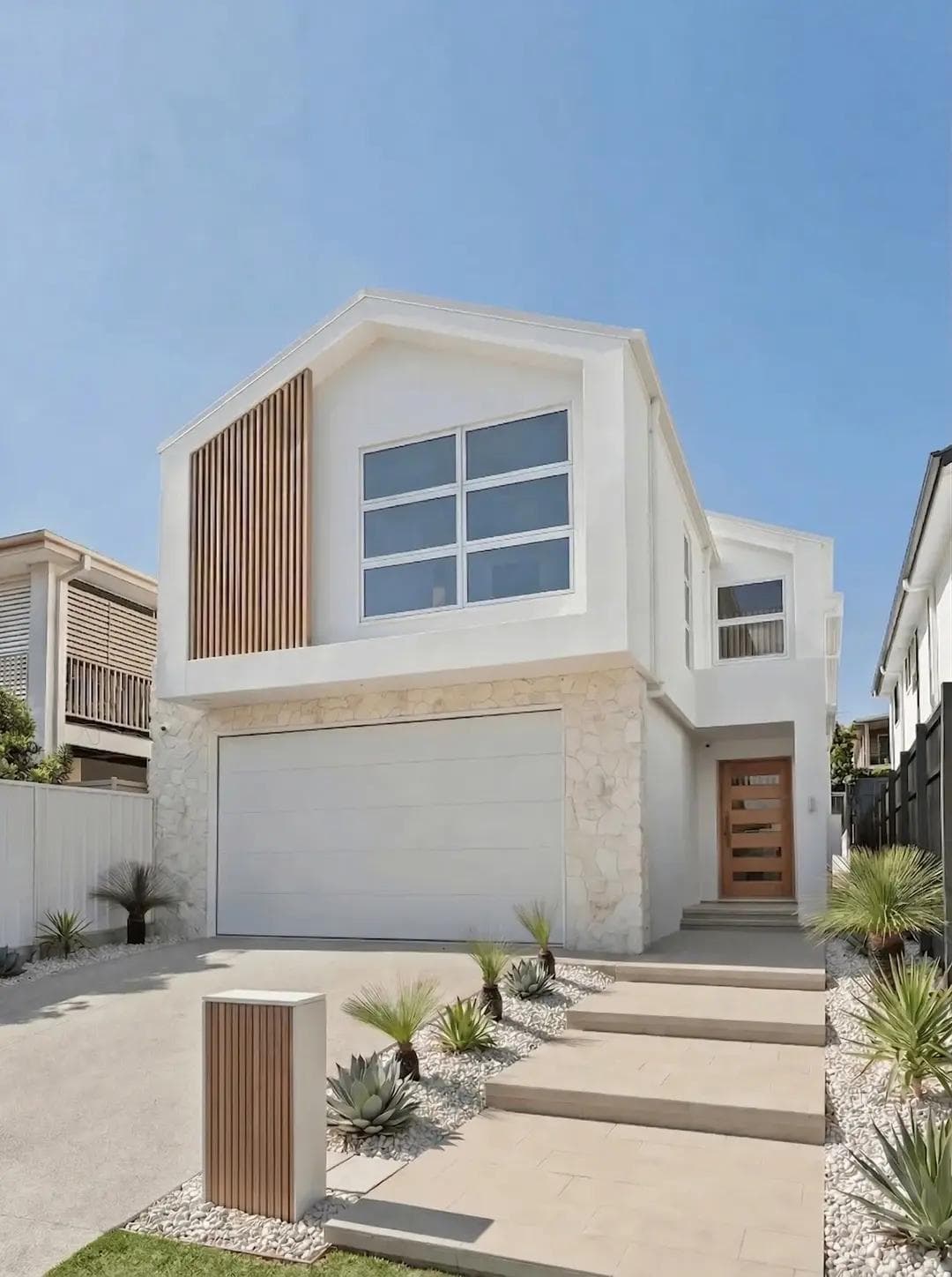
Once the block's constraints and zoning are resolved, the next question is usually what the home should actually look like. Our design-focused guide to corner house designs for Brisbane blocks covers the architectural styles, like Modern Hamptons and Dynamic Contemporary, that work best for activating a dual-frontage facade.
What's Your Pre-Build Checklist for a Corner Block Project?
Embarking on a corner block project is an exciting opportunity, but methodical preparation is crucial for success. This checklist outlines actionable steps to take before design begins.
Initial Site Investigation:
- Get a detailed site survey
- Check for easements and encumbrances
- Confirm whether a corner splay applies to your block
- Review relevant council planning schemes
Defining Your Project Vision
A clear project brief is the bridge between your aspirations and your builder's execution. Start by asking these practical questions:
- What is our absolute, non-negotiable budget for the entire project?
- How many bedrooms and bathrooms do we need for our family now and in the future?
- What style do we prefer?
- How will we use our outdoor space? Is a pool a priority? Do we need a lawn for kids?
Engaging the Right Expertise Early
With your site information and project goals defined, you've reached the most important step: bringing in a specialist builder. A builder experienced with corner block homes can flag potential challenges you haven't considered and identify design opportunities you might have missed, ensuring your home is designed with buildability and your budget at the forefront from day one. Learn more about our custom home design and build process.
Frequently Asked Questions
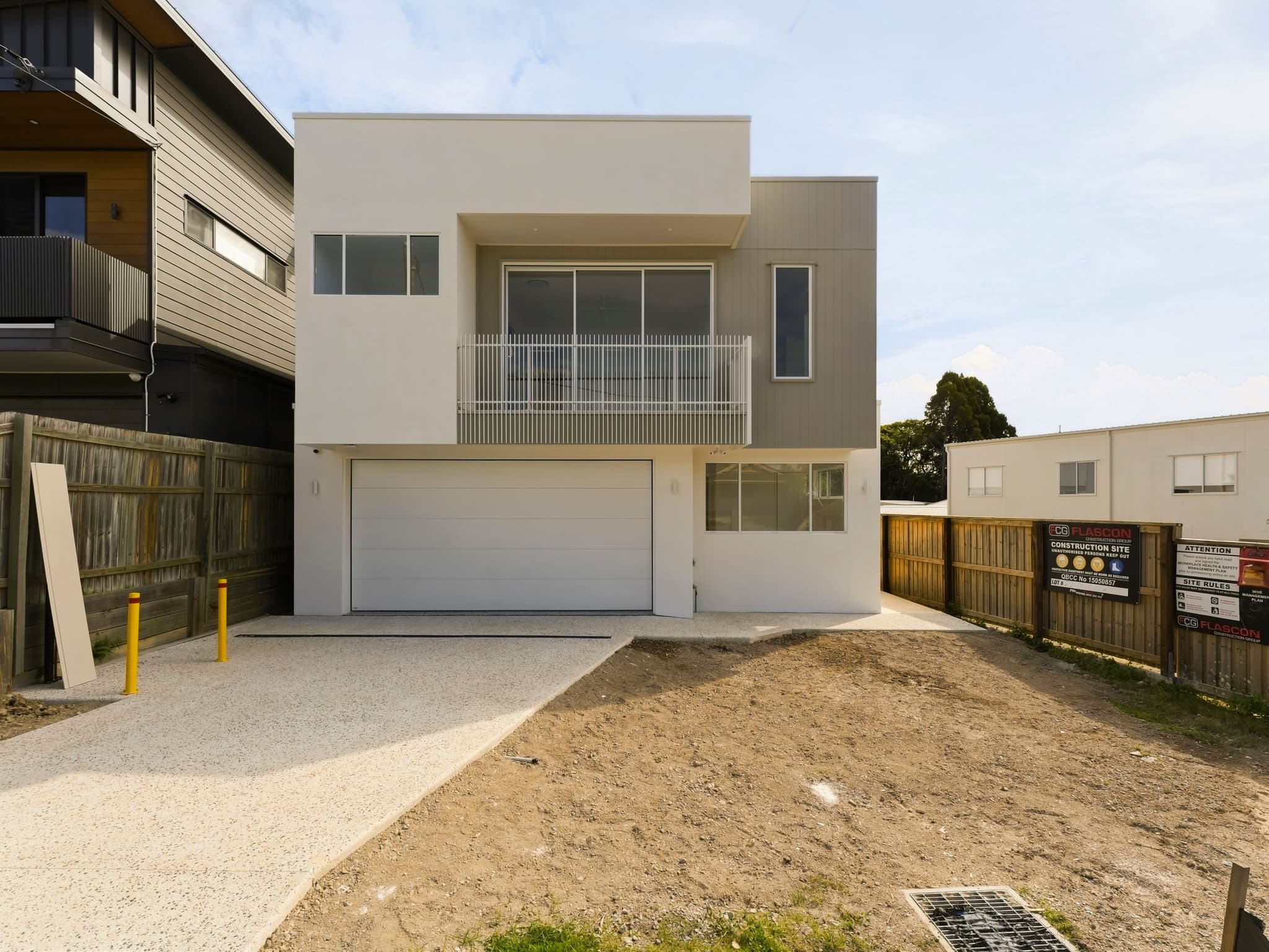
Are corner blocks more expensive to build on? While the land itself often attracts a premium, construction costs can also be higher. A corner block house design has two "public faces," and councils usually require both to be aesthetically pleasing, meaning more spent on facade materials, finishes, and architectural detail for the secondary frontage than a standard lot would need, plus additional landscaping and fencing along both street frontages.
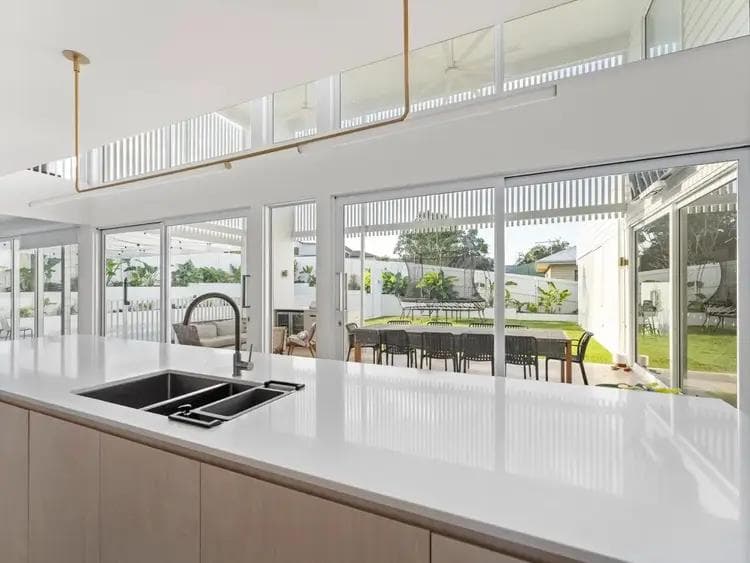
How do you maintain privacy in a corner block home? Smart window placement, strategic layered landscaping to create a "green screen," and courtyard-style L-shaped or U-shaped layouts that create a secluded rear space shielded from both streets are the three most effective strategies.
What's the biggest mistake to avoid on a corner block? Treating the secondary street frontage as an afterthought. When it's designed like a simple side boundary rather than a genuine second face of the home, the result is a long, featureless "blank wall" that deadens the streetscape and diminishes the home's appeal and value.
If you are planning a build on a corner block, working with a custom builder experienced in site-responsive design makes a structural and financial difference. At Flascon Construction Group, we focus on understanding the block's physical constraints and council regulations before design decisions are locked in. Start the conversation about your corner block project today.
Keep reading
More Brisbane building guides
Building Guides6 min read
What a Soil Test Tells Your Builder Before You Build in Brisbane
What a soil test involves, what the AS 2870 site classification means, and why Brisbane's clay, rock and fill make it worth doing early.
Building Guides6 min read
Your Pre-Handover Inspection Checklist for a New Home in Queensland
What to check at the pre-handover inspection of a new home in Queensland, what your builder hands you at practical completion, and what counts as a defect.
Building Guides7 min read
Knockdown Rebuild in Brisbane: The Step-by-Step Process
How a knockdown rebuild works in Brisbane, step by step: feasibility, demolition approval, asbestos, services, soil testing, building approval and construction.