
How Long Does It Take to Build a House in Brisbane?
Published Updated 7 min read
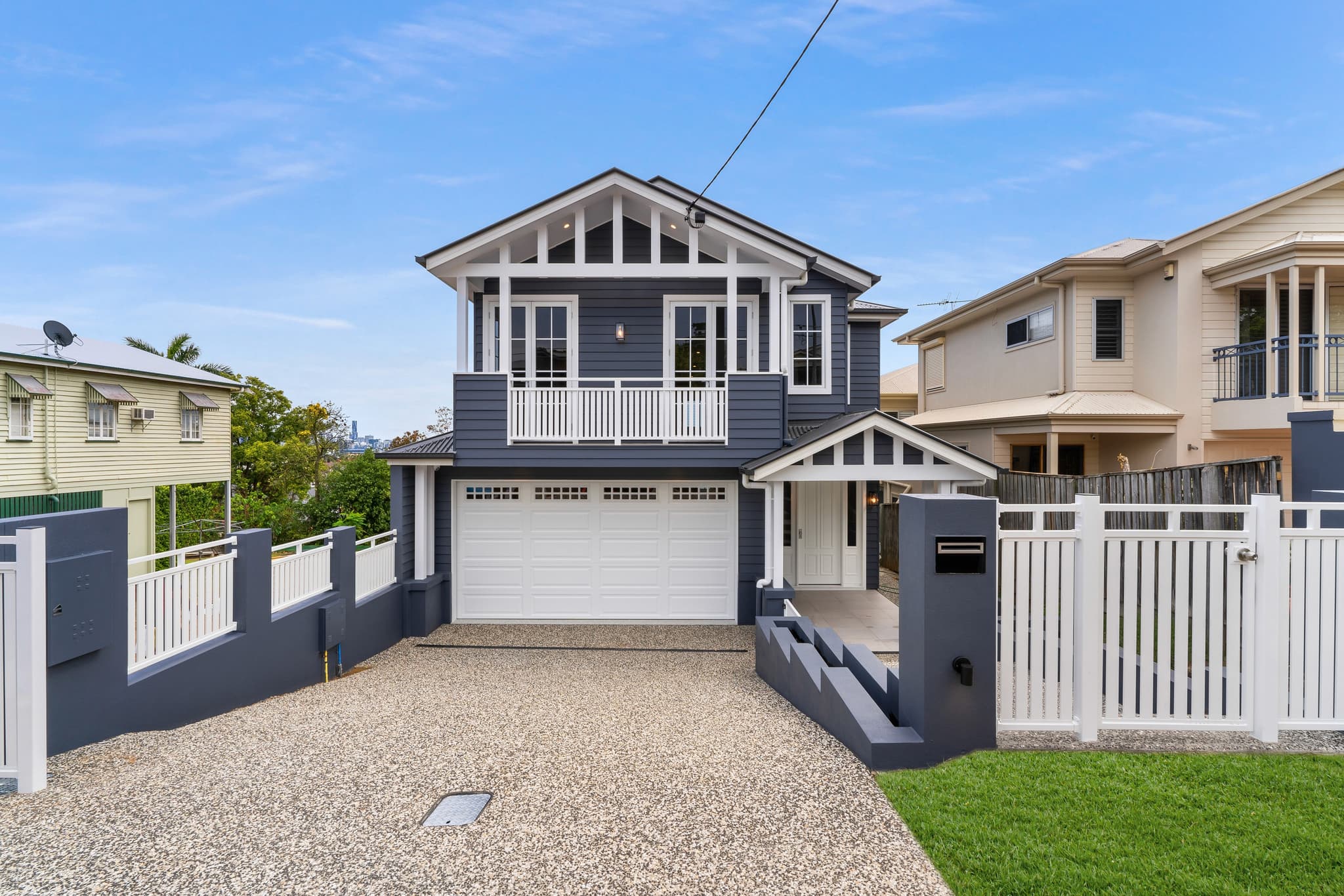
On this page
You're probably asking the same question almost every Brisbane homeowner asks once the block is bought, the sketches are underway, or the old house is starting to feel like the wrong fit: how long does it take to build a house? The honest answer is that there isn't one timeline that fits every job. A standard build on a straightforward site moves very differently from a custom home on a sloping inner-city block, and a knockdown-rebuild's critical path is dictated by demolition approvals and site remediation, not just construction speed.
The most common misconception happens before the slab even goes down, many assume construction starts the moment a contract is signed, or that a bespoke design on a sloping block will run to the same timeline as a standard plan on a flat, greenfield lot. A well-run job moves smoothly because it was planned correctly; a poorly planned one spends weeks waiting on decisions, reports, materials, or approvals that should have been sorted much earlier.
When Does the Timeline Actually Start?
Most clients start with a mental picture of the finished product, already placing the kitchen island or picturing where the afternoon light will fall. Then the practical question lands: when can we move in?
In Brisbane, that answer depends heavily on what the site asks of the build. A flat, accessible block with a settled brief is one thing; a narrow lot in an older suburb, a sloping site, or a block requiring specific stormwater management is another. The calendar starts moving well before visible construction begins, design work, engineering, approvals, surveys, soil testing, and material selections all dictate the final build date long before a frame goes up.
What Does a Brisbane Building Timeline Actually Look Like?
While the Master Builders Queensland build-times data pack puts Queensland's average approval-to-completion time for new houses at 10.26 months in 2023-24, that broad average doesn't tell you what happens week to week on a real build, or account for a sloping block, a knockdown-rebuild, or a genuinely custom design. Here's the practical sequence of a custom build in Brisbane.
- Pre-construction and design. This is the stage clients underestimate most: concept work, plan development, engineering input, approvals, site information, selections, and the documentation trades will rely on. Thin documentation here gets paid for later in delays.
- Site preparation and foundations. Once approvals are in place, the physical job begins: clearing, demolition, set-out, excavation, retaining preparation, underground services, and slab preparation. On reactive clay or a sloping lot, this becomes a highly technical exercise to match ground conditions, drainage, and footing design to the block.
- Framing and lock-up. Wall frames, roof structure, cladding, windows, and doors give shape to the design. Framing feels like rapid progress, but lock-up is only one milestone, the most time-critical coordination is still ahead.
- Services rough-in and internal linings. Plumbers, electricians, and other trades rough in the home's internal systems, followed by insulation, plasterboard, waterproofing, and internal prep. This stage relies entirely on sequencing, and common delays here stem from late fixture changes or unresolved joinery and lighting details.
- Finishes and fit-off. This phase feels slower because progress is detailed rather than dramatic, tiling, flooring, painting, cabinetry, stone, internal doors, and electrical fit-off all need to align. A small delay in waterproofing pushes tiling; a delayed tile pushes fit-off.
- External works and handover. Driveways, drainage, fencing, paths, retaining completion, final services checks, detailed cleaning, certification, and handover sit at the end of the program.
| Stage | What happens | Why it matters |
|---|---|---|
| Pre-construction | Design, engineering, approvals, selections | Sets the quality and speed of everything that follows |
| Site works | Clearing, excavation, set-out, footings prep | Reveals what the block physically demands |
| Structure | Slab, frame, roof, windows, lock-up | Makes the build weather-ready and defines the space |
| Internal works | Rough-ins, linings, waterproofing, joinery prep | A heavy coordination stage with strict trade dependencies |
| Finishes & close-out | Tiling, painting, fit-off, defects, approvals | High-detail stage where quality control matters most |
How Does Your Project Type Change the Timeline?
Not all builds carry the same program. The timeline changes with the site constraints and the type of dwelling.
- A standard custom home on a workable block gives the cleanest timeline. If the site is relatively level, access is reasonable, engineering is straightforward, and the design is locked in before work starts, trades can move in normal sequence with simple deliveries.
- A knockdown-rebuild in an established suburb suits owners who want a new home without leaving their preferred suburb. Because you're working on a site with an existing street presence and known services, the build can be highly efficient, though older homes can carry surprises. Demolition involves strict approvals and asbestos management, which is why our guide to the real cost of a knock down rebuild in Brisbane is worth reading alongside this one, it covers the timeline pressure points specific to that path.
- Duplexes and townhouses add design coordination, complex services, more inspections, tighter trade sequencing, and greater pressure on site access. If the block is small, every trade movement and material delivery matters.
- Sloping and narrow lots are the classic Brisbane complexity profile. A sloping site may need extensive retaining, involved footing design, and careful water management; a narrow lot limits machinery access, reduces storage areas, and forces a tighter trade sequence. The site always dictates the pace early on.
What Unseen Factors Control Your Build Timeline?
A build rarely delays because of one dramatic event. More often, it slows through a string of avoidable friction points.
- Approvals don't wait for your moving date. Council and certifier processes take time, submitting fully resolved drawings and making fast decisions when consultants request clarifications keeps this phase moving.
- Weather affects more than rainy days. Brisbane's subtropical climate impacts sequencing, wet ground slows excavation, and rain interrupts slab prep, waterproofing, and external trades.
- Soil and site conditions. Reactive clay, site fall, rock, and drainage behaviour influence the early structural program, and early information here is vital.
- Client changes are the biggest preventable delay. Changing layouts, moving windows, revising bathrooms, or chasing a new kitchen design once rough-ins have started creates rework that flows through approvals, procurement, and trade sequencing.
How Do You Keep Your Build on Schedule?
If you want the build to move well, the answer isn't pushing trades harder once work starts, it's reducing uncertainty before the site becomes busy: finalise the design before construction starts, make selections early, and understand the block properly rather than guessing.
A better approach is to involve the builder early enough to challenge assumptions before they become commitments. This is why engaging a builder should be your first step, early builder input exposes timeline risks in design, access, buildability, and approvals before they cost you time on site.
| Question to ask before you commit | Why it matters |
|---|---|
| What could delay this site specifically? | Reveals whether the timeline is site-based or generic |
| Which selections must be finalised before the start date? | Helps avoid procurement and supply chain hold-ups |
| What approvals or reports sit on the critical path? | Identifies real pre-construction risks for your block |
| How are weather and access being allowed for? | Shows whether the program has realism built in |
Frequently Asked Questions
How long does it take to build a house in Brisbane? Queensland's average approval-to-completion time for new houses sits at 10.26 months (Master Builders Australia analysis of ABS data, 2023-24), but that's a broad average, not a promise. A standard build on a workable block moves fastest, while sloping sites, narrow lots, and knockdown-rebuilds each add their own timeline pressures. The right timeline is the one that reflects your actual site, design, and approvals path, not a generic average.
How long does it take to go from lock-up to handover? This covers services rough-in, internal linings, and finishes, generally the longest stretch of a build because it depends on strict trade sequencing and curing times rather than visible progress. A delay in one trade, like waterproofing, pushes every trade that follows it.
Does a knockdown rebuild take longer than a standard build? Not necessarily. Because the site already has known services and street presence, a knockdown-rebuild can be highly efficient, but older homes can carry surprises like asbestos that require strict approvals and management, which is worth planning for upfront rather than discovering mid-build.
What's the biggest cause of delay in a house build? Client-initiated changes made after rough-ins have started, moving a window, revising a bathroom, or chasing a new kitchen layout, are usually the largest preventable delay, since the rework flows through approvals, procurement, and trade sequencing.
The right build timeline is not simply the shortest one. It's the one that reflects the actual block, the actual design, and the actual approvals path. Flascon Construction Group handles custom homes, duplexes, townhouses, and knockdown-rebuilds across Brisbane, specialising in challenging sites, sloping blocks, and narrow lots. If you're planning a custom build, contact us to organise a property assessment and understand the realistic timeline for your new home.
Keep reading
More Brisbane building guides
Building Guides6 min read
What a Soil Test Tells Your Builder in Brisbane
What a soil test involves, what the AS 2870 site classification means, and why Brisbane's clay, rock and fill make it worth doing early.
Building Guides6 min read
Pre-Handover Inspection Checklist for New Homes in Qld
What to check at the pre-handover inspection of a new home in Queensland, what your builder hands you at practical completion, and what counts as a defect.
Building Guides7 min read
Knockdown Rebuild in Brisbane: The Step-by-Step Process
How a knockdown rebuild works in Brisbane, step by step: feasibility, demolition approval, asbestos, services, soil testing, building approval and construction.