
Open Plan Home Design Brisbane: A Builder's Guide
Published 4 min read
On this page
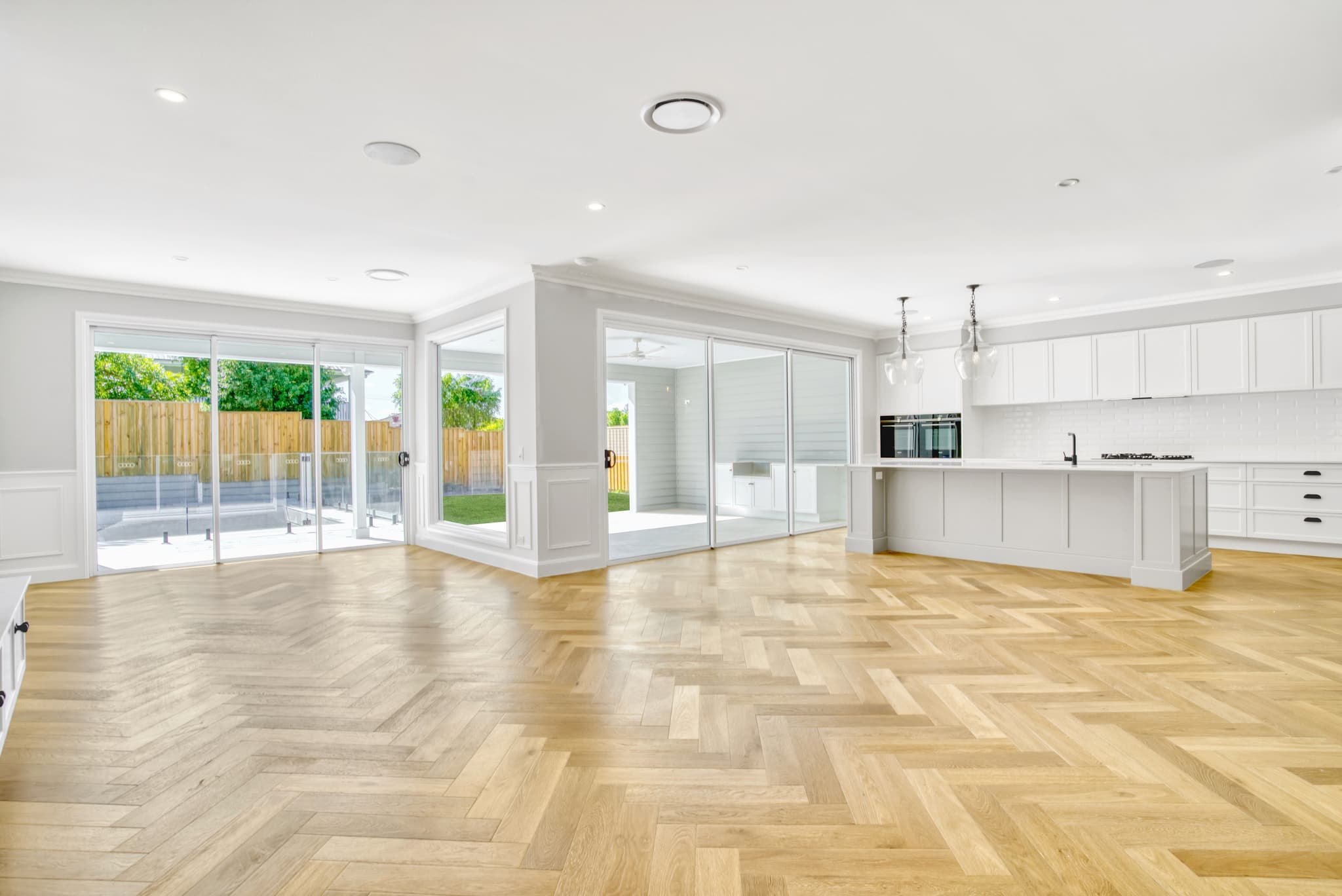
Almost every client that walks through our doors asks for it: a massive, light-filled, open-plan living space. The days of homes being divided into a series of dark, closed-off boxes are long gone. Today, the kitchen, dining room, and living area are expected to flow seamlessly into one another, creating a single, unified central hub.
In Southeast Queensland, choosing an open plan home design Brisbane layout is a highly practical decision that directly responds to our climate. It allows sunlight to penetrate deep into the floor plan and encourages natural cross-ventilation, letting cooling breezes move freely from the front door straight through to the backyard.
However, for anyone planning a knockdown-rebuild or a custom new build, understanding the structural reality of how to actually build these massive spaces is the crucial first step. For a broader look at navigating site complexities before you design your floor plan, our guide on custom house designs in Brisbane is a practical starting point. If your block is wider than it is deep, our guide to wide house plans covers how that central hub gets arranged across a horizontal layout specifically.
The Custom Builder's Perspective: The secret to a successful open-plan home isn’t just knocking down walls; it's engineering the spans correctly, managing the acoustics, and ensuring the massive space doesn't just feel like an echoing school hall.
Why Does Removing Walls Require Special Engineering?
When you remove load-bearing walls to create an open plan living area, the weight of the roof and upper storeys must be supported elsewhere. This is where standard project home designs often struggle, and where custom engineering steps in.
Engineering the Spans
To create those wide, uninterrupted spaces, we replace traditional timber stud walls with heavy-duty engineered beams or structural steel.
While these structural elements require cranes and add cost compared to standard timber framing, they are non-negotiable for creating safe, expansive spaces without needing awkward support pillars in the middle of your kitchen.
Acoustic Control in Large Spaces
The biggest drawback of open-plan living is noise transfer. Without careful planning, the sound of the kitchen rangehood, the television, and general conversation can quickly merge into a chaotic echo. We manage this acoustic challenge structurally by:
- Specifying high-grade acoustic insulation in the internal walls that adjoin the open-plan area.
- Installing solid core doors to all adjacent bedrooms and media rooms to act as a physical sound barrier.
- Upgrading to acoustic plasterboard on the ceilings to absorb reverberation over hard flooring like timber or tiles.
How Do You Zone an Open-Plan Space Without Walls?
A massive open room needs order. You must create "rooms within a room" to clearly signal where the kitchen ends and the living space begins, without putting up physical barriers.
Varied Ceiling Heights
A subtle change in ceiling height has a massive structural impact. You might have a standard 2.7m ceiling over the kitchen, which drops slightly with a bulkhead over the island bench, and then steps up to a striking 3.0m raked ceiling in the main living area. The vertical dimension is a powerful zoning tool, as explored in our breakdown of the average ceiling height in Australia.
Strategic Lighting and Cabinetry
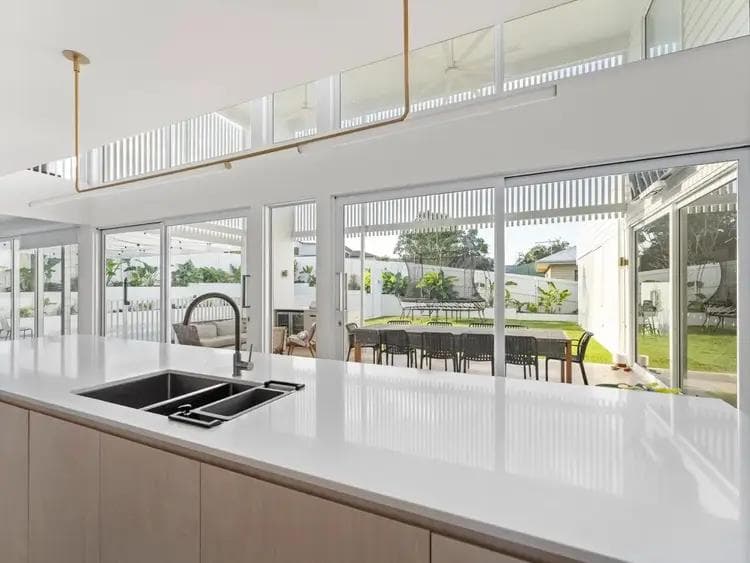
We solve the infamous "open plan clutter" issue by integrating hidden walk-in or butler’s pantries to keep the kitchen mess completely out of sight. From there, lighting takes over. A beautiful pendant light dropped low over a dining table instantly anchors the space, while focused strip lighting defines the kitchen workspace.
How Do You Design Open-Plan Living for the Brisbane Climate?
A successful open plan home design in Queensland must be highly site-responsive.
- Seamless Indoor-Outdoor Connection: We heavily utilise flush-threshold sliding or commercial bi-fold doors. By recessing the door tracks into the concrete slab, we remove the "step-down" trip hazard between the internal living space and the alfresco area, making the two zones feel like one continuous room.
- Passive Cooling: By intelligently orienting the home to capture prevailing breezes and block the harsh western sun, large open spaces become incredibly energy efficient. These principles work hand-in-hand with solar passive home designs to naturally lower your summer cooling costs.
- Managing Cooking Odours: Because there are no doors to close the kitchen off, cooking smells can drift into the lounge. We mitigate this early in the build by specifying and ducting high-capacity, external-venting rangehoods directly through the roof space.
Frequently Asked Questions
Do I need council approval to remove a load-bearing wall? For a new custom build this is resolved at the design and engineering stage rather than being a separate approval, but for any renovation removing an existing load-bearing wall, a structural engineer's assessment and certifier sign-off is required.
How much extra does an open-plan layout cost compared to a standard floor plan? The main cost driver is the structural steel or engineered beams needed to span the space without support columns, this varies by span width and roof load, which is why an accurate quote depends on your specific floor plan rather than a general rule of thumb.
Can an open-plan layout still feel warm and zoned, not like one big empty room? Yes, through varied ceiling heights, strategic lighting, and hidden storage like butler's pantries, all of which create rooms within a room without physical walls.
Ready to Plan Your Open-Plan Layout?
Navigating the engineering, acoustic, and design requirements of a large custom home requires an experienced team. If you want to see what a highly functional, custom open-plan design could look like on your specific block, we can help.
Contact Flascon Construction Group today to organise a property assessment and start bringing your vision to life with complete structural confidence.
Keep reading
More Brisbane building guides
Building Guides6 min read
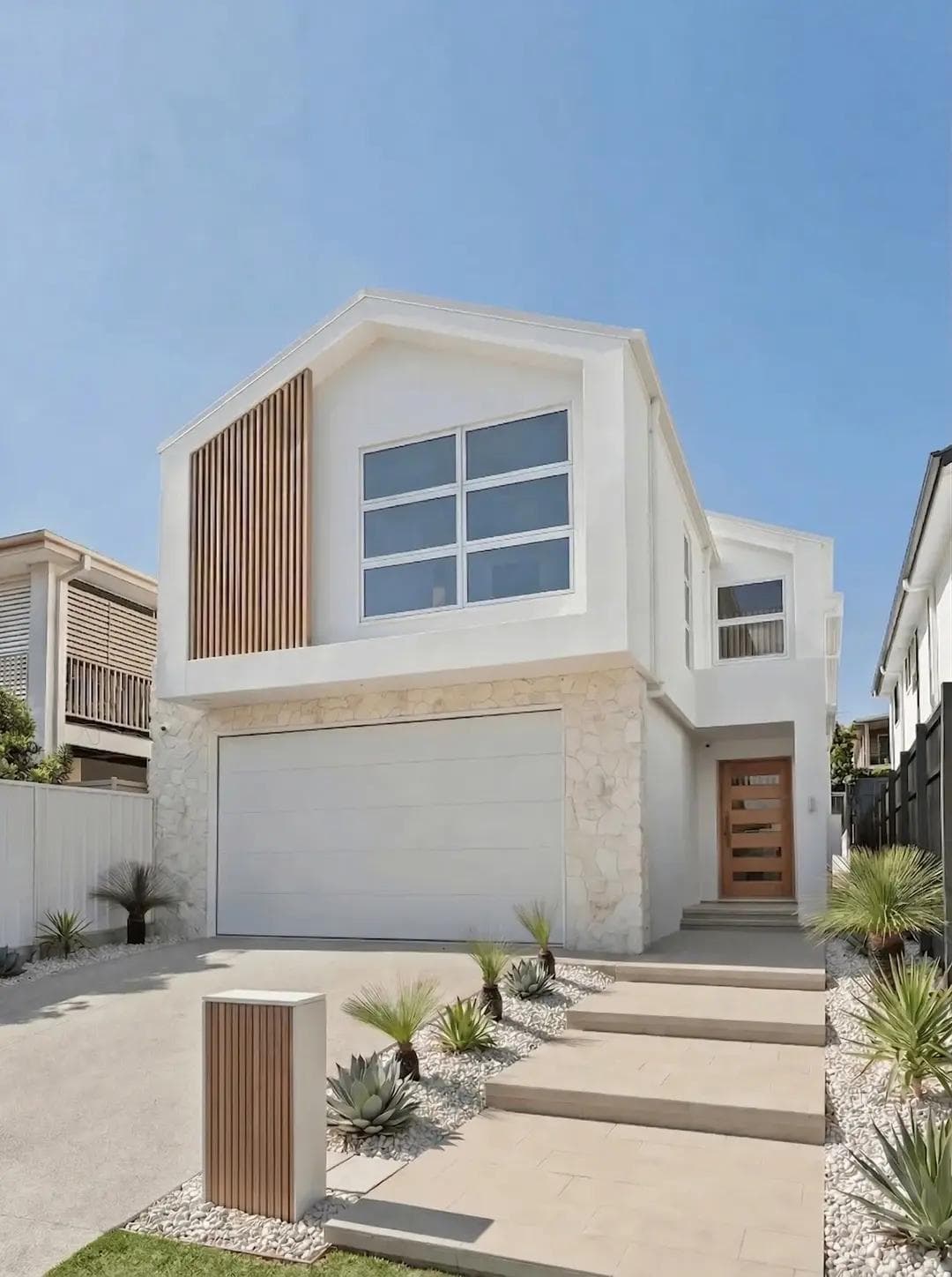
What a Soil Test Tells Your Builder in Brisbane
What a soil test involves, what the AS 2870 site classification means, and why Brisbane's clay, rock and fill make it worth doing early.
Building Guides6 min read
Pre-Handover Inspection Checklist for New Homes in Qld
What to check at the pre-handover inspection of a new home in Queensland, what your builder hands you at practical completion, and what counts as a defect.
Building Guides7 min read
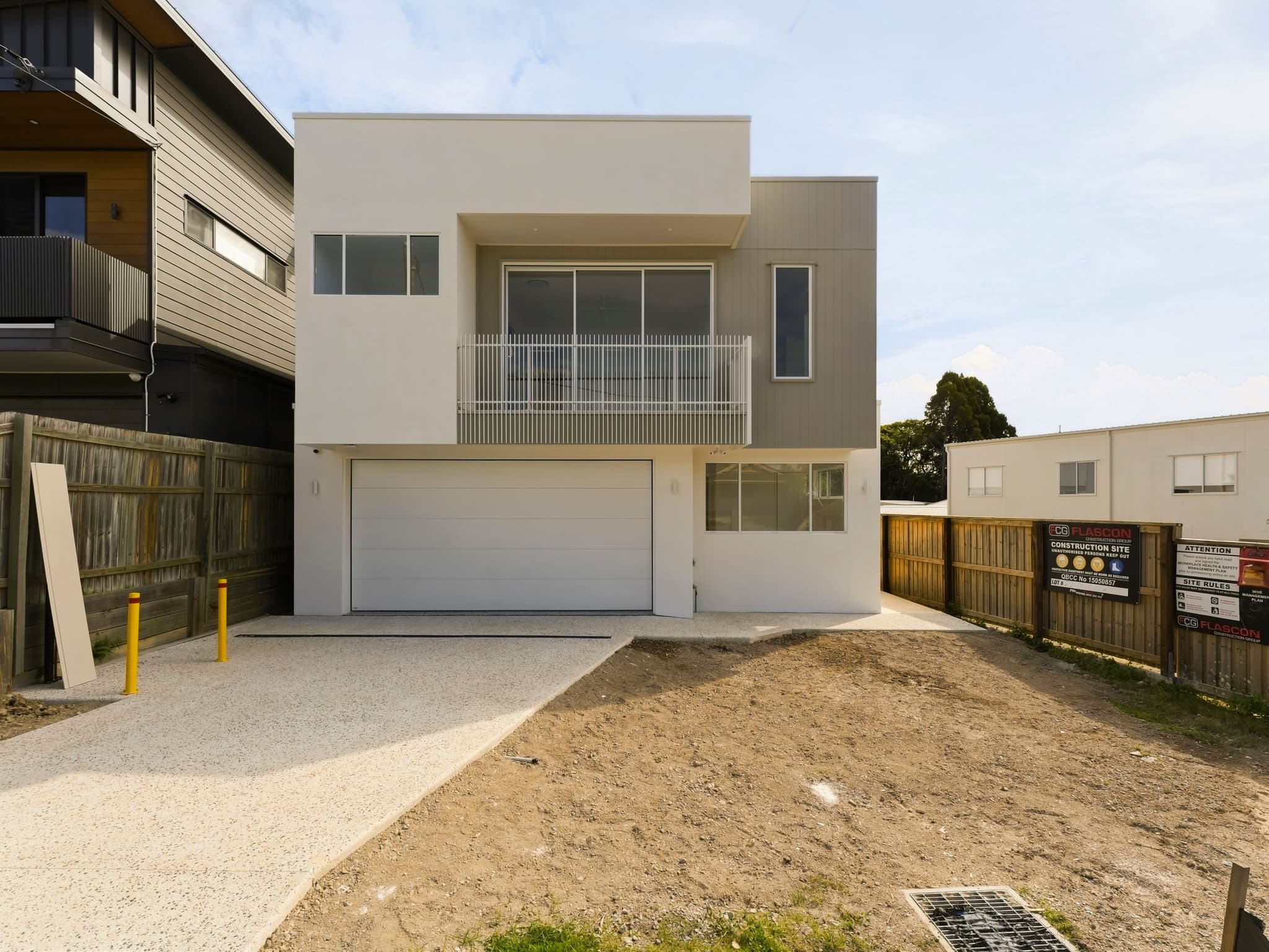
Knockdown Rebuild in Brisbane: The Step-by-Step Process
How a knockdown rebuild works in Brisbane, step by step: feasibility, demolition approval, asbestos, services, soil testing, building approval and construction.