DATE :
LAST UPDATED:
CATEGORY :
Construction
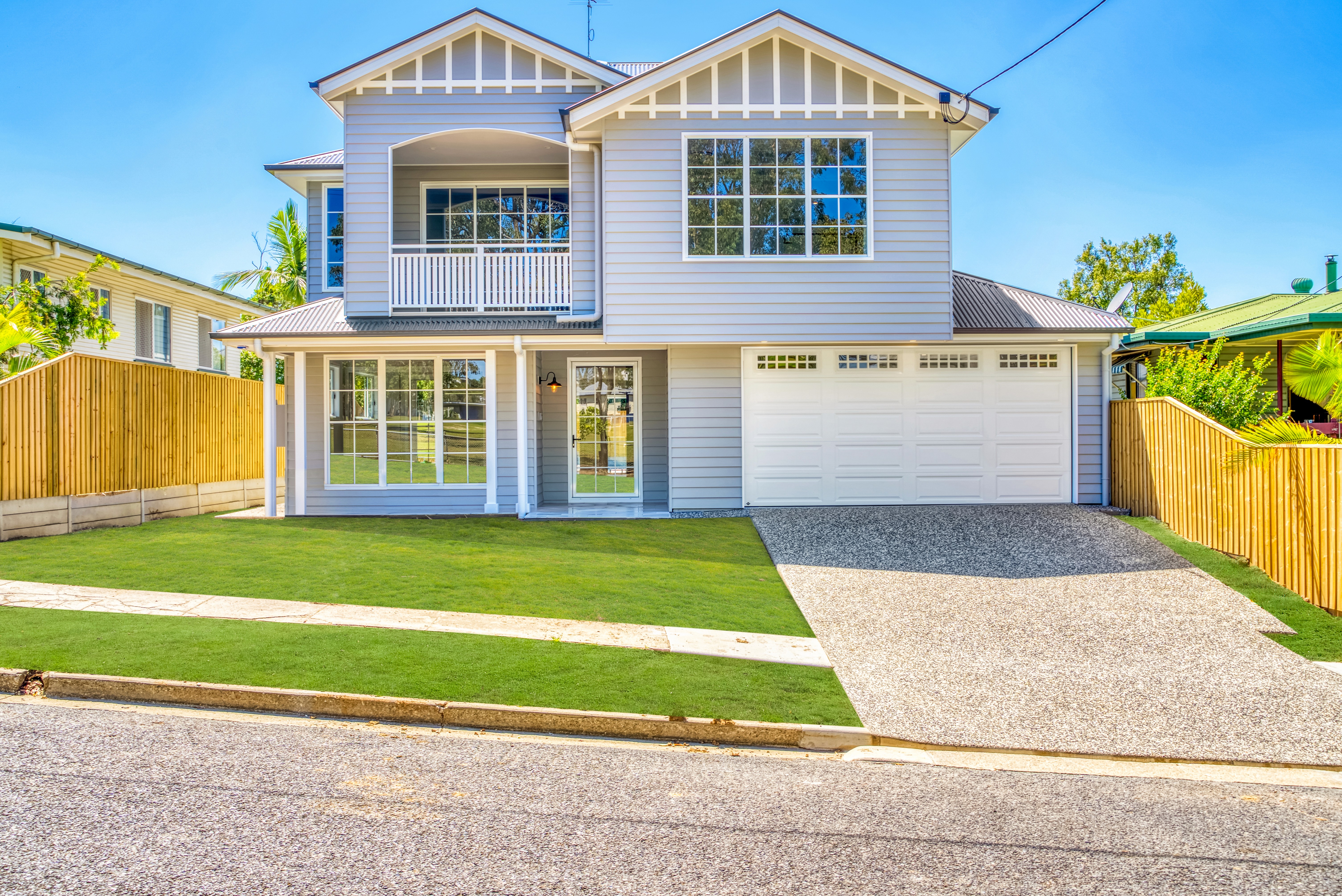
When you demolish and rebuild a house, you are clearing your existing block to construct a brand-new home on the same land. It is a practical alternative for homeowners who are attached to their current location but possess a property that no longer meets their functional needs. Rather than undertaking extensive renovations or relocating to a new suburb, this process allows for a custom-designed home starting from a clean slate.
Is a Knockdown Rebuild the Right Option?
Making the decision to knock down and rebuild requires careful consideration of your property and lifestyle goals. For many Brisbane residents, it serves as an alternative to complex, highly constrained renovations or the logistical upheaval of moving.
The primary appeal of a knockdown rebuild is the ability to maintain current community ties while achieving a floor plan tailored to modern living requirements. It removes the necessity of working around awkward existing layouts or compromised structural frameworks commonly found in older homes.
Core Benefits To Consider
Retaining Location: You bypass the competitive Brisbane property market and remain in a neighbourhood you already know.
Avoiding Renovation Constraints: Older houses often conceal issues such as outdated electrical wiring, asbestos, or structural decay. A new build mitigates the unpredictability of opening up existing walls.
Total Design Freedom: Starting fresh allows you to tailor every element to your land. From orienting living spaces to capture the morning sun, to strategically placing windows for privacy from neighbours, the design process revolves entirely around maximising the potential of your specific block.
Energy Efficiency: New homes must comply with current National Construction Code(NCC) energy standards, resulting in a home that is naturally more comfortable and thermally efficient year-round.
Evaluating Your Property and Planning the Build
A successful rebuild relies entirely on the pre-construction phase. Before demolition can even be considered, it is vital to get a realistic assessment of your site's unique opportunities and constraints. Tailoring the architectural design to the block’s specific orientation can significantly improve natural light and capture prevailing breezes.
Assembling Your Team
Engaging a builder early in the planning stage provides a necessary reality check on construction feasibility. Your core team during this phase typically includes:
Building Designer or Architect: The creative force behind the floor plan and facade.
Structural Engineer: Essential for designing the home's framework, particularly on challenging sites with steep slopes or reactive soil.
Building Certifier: A private professional who assesses plans against building codes and manages council applications.
Surveyor: Maps the block's exact boundaries, contours, and existing underground services.
For more detail, read this quick guide on Your Guide to Building for Demolition.
Navigating Brisbane City Council Overlays
Council regulations dictate what can be built based on local zoning. The Brisbane City Planserves as the primary framework. For instance, if a property is located within a Demolition Control Precinct (DCP), homes built prior to 1946 are heavily protected, and attempting to demolish them requires specific, rigorous approvals.
Similarly, overlays for flooding, biodiversity, or 'Traditional Building Character' introduce strict parameters that influence roof pitch, scale, and material selection to ensure the new build complements the existing streetscape.
The Demolition Process: Clearing the Block Safely
Once designs are finalised and council approvals are secured, the physical work begins. Demolitionis a precise, highly regulated process required to prepare the site safely.
Service Disconnections and Permits
Before any machinery arrives, a separate demolition permit must be issued by a private certifier or the council. A strict condition for this permit is proof that all service have been formally abolished at the mains. This process involves multiple utility providers and can take weeks, so it must be initiated early.
Managing Hazardous Materials
In Brisbane, homes constructed before 1990 have a high probability of containing some form of asbestos, commonly found in wall sheeting, eaves, or older flooring materials. A licensed asbestos assessor must inspect the site. If hazardous materials are identified, a specialised, licensed professional must execute the safe removal before standard demolition can commence.
Choosing a Demolition Contractor
A reputable demolition contractor will hold the correct licenses, be fully insured, and provide a comprehensive plan outlining waste management, recycling efforts, and strategies for dust and vibration control to protect neighbouring properties.
Construction to Handover: What to Expect
With the block cleared, the construction of the new home begins. Clear communication with your builder is vital to keeping the project running smoothly through the key stages:
Foundation and Frame: The process starts with site preparation and the pouring of an engineered concrete slab. Following this, the timber or steel frame is erected, outlining the spatial layout of the home.
Lock-Up Stage: The installation of the roof, windows, and external doors secures the home, creating a weather-tight shell that allows internal trades to commence work regardless of the weather.
Interior Fit-Out: This stage involves the installation of plumbing and electrical rough-ins, plastering, waterproofing, cabinetry, tiling, and final surface finishes.
Critical Inspections: Throughout these stages, a building certifier conducts mandatory legal checks to verify compliance with the National Construction Code.
Strategies for Sloping and Narrow Blocks
Brisbane’s topography frequently presents the challenge of steep slopes and narrow inner-city lots. An experienced boutique builder approaches these sites with specific architectural strategies rather than standard off-the-plan solutions.
Sloping Blocks: Traditional "cut and fill" methods can lead to extensive retaining walls and drainage complications. A custom approach often utilises split-level designs that cascade with the natural terrain, which can assist in capturing views, improving cross-ventilation, and creating distinct living zones.
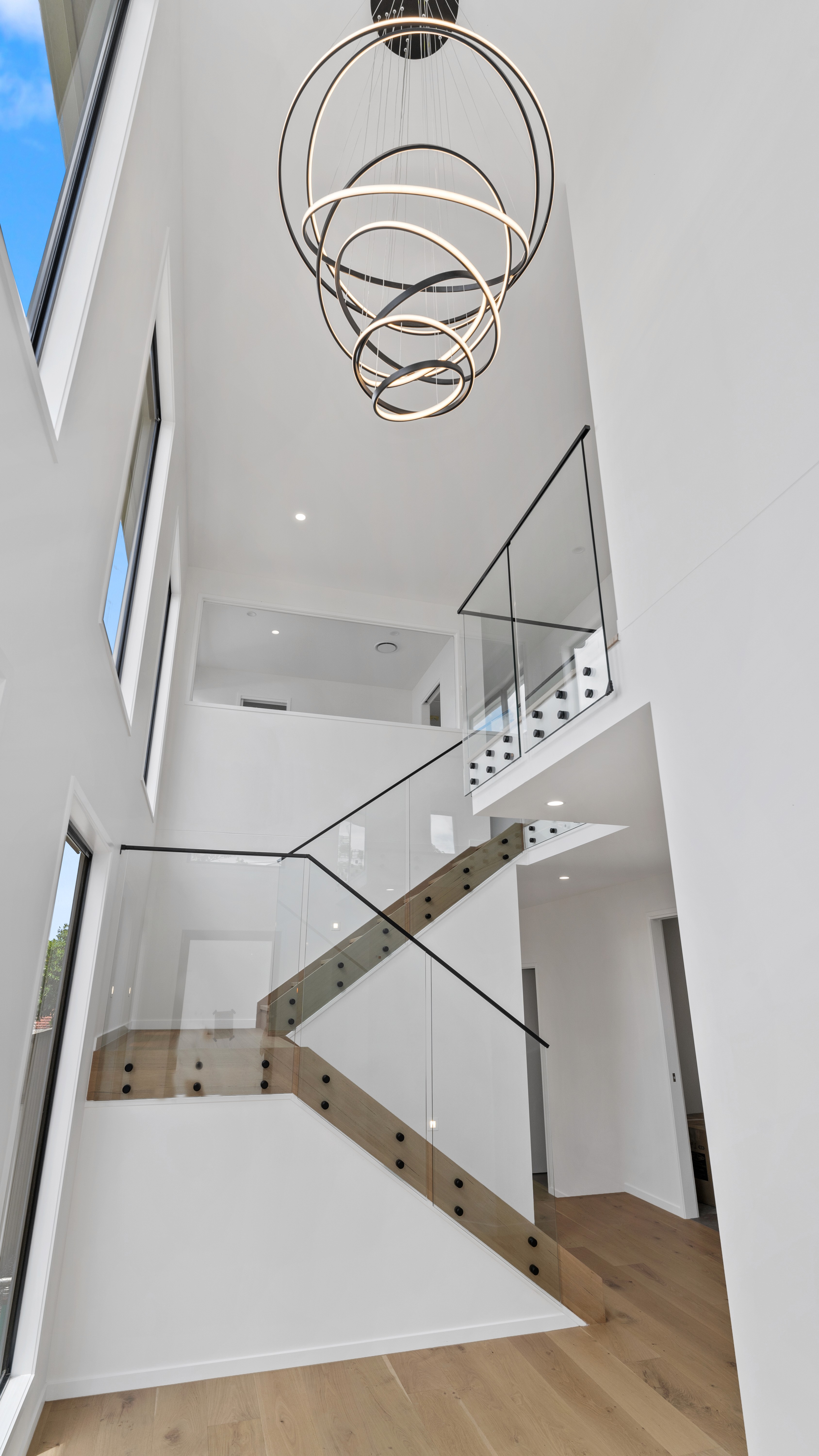
Narrow Lots: A standard 10-metre-wide block requires highly efficient spatial planning. Integrating design elements such as central voids, high-level clerestory windows, and internal courtyards can draw natural light deep into the floor plan, preventing the home from feeling dark or confined.
Practical Completion and Handover
The final step in the rebuild process is the Practical Completion Inspection (PCI). This is a formal walkthrough with the builder to identify any minor cosmetic adjustments required prior to taking possession.
Upon handover, you will receive your keys and a comprehensive documentation pack. In Queensland, the most critical document is the Form 21 Final Inspection Certificate, which legally confirms the home is compliant and safe to inhabit. You will also receive documentation for your statutory structural warranties and individual appliance guarantees.
Frequently Asked Questions
How long does it take to demolish and rebuild?
A typical timeline ranges from 12 to 18 months. This generally encompasses 3 to 6 months for planning, design, and council approvals; several weeks for site clearing; and 9 to 12 months for construction, dependent on the home's complexity and weather conditions.
What factors influence the cost of demolition?
While every site is unique, demolition costs are generally impacted by the size of the existing structure, the presence of hazardous materials like asbestos, the complexity of underground root systems or old footings, and how easily heavy machinery can access the block.
Can I live on the property during the project?
No. Once utilities are disconnected and the site is handed over for demolition, the property becomes an active, restricted construction zone. Homeowners must secure alternative accommodation for the duration of the build.
Ready to discuss your site?
If you are considering your options, Flascon Construction Group offers property assessments to help you understand what is viable for your specific block. Contact us today to start the conversation.
GET A FREE QUOTE
Ready to Explore your Property Vision?
Request a tailored quote today and discover how Flascon can deliver a bespoke build that fits your vision.
Article