
Narrow Block House Designs Brisbane: 10m and 7m Frontages
Published Updated 6 min read
On this page
- What Counts as a Narrow Block, and Is It Also a Small Lot?
- What Structural Solutions Work Best for Narrow Block House Designs?
- How Do You Design a Double-Storey Home on a 10m Frontage?
- Can You Build to the Boundary on a Narrow Lot?
- Why Do Light Wells Matter on a Narrow Block?
- How Narrow Can a Block Actually Go?
- How Do You Build on a Narrow Site?
- How Do You Connect Indoor and Outdoor Living on a Narrow Lot?
- Frequently Asked Questions
- Talk to Us About Your Block
A good narrow block design comes down to five decisions: where the stair goes, how the boundary wall is used, where light enters the middle of the home, how storage is built in, and how the ground floor opens to the outdoors. On a 10-metre frontage a two-storey home works well when these are planned from the first sketch. On a 7 to 7.5 metre frontage, the same decisions become non-negotiable and the garage layout becomes the biggest constraint.
| Decision | What it solves |
|---|---|
| Vertical volume | A void or double-height space breaks up the long sightline that causes the tunnel effect |
| Boundary wall | Building to one side boundary recovers internal width |
| Light well or courtyard | Brings daylight and ventilation into the core of a deep home |
| Built-in joinery | Hallways and under-stair space become storage, so living areas stay clear |
| Indoor-outdoor connection | Level thresholds and wide openings make the ground floor read as wider |
What Counts as a Narrow Block, and Is It Also a Small Lot?
There is no official definition of a narrow block. In practice, it means a frontage of about 10 metres or less. Width and area are separate questions, but they often overlap. A block 10 metres wide and 40 metres deep is 400 square metres, and Brisbane City Council treats any lot under 450 square metres as a small lot. That means many narrow blocks are assessed under Council’s small lot code, which takes priority over the Queensland Development Code. Rear lots under 600 square metres count as small lots too, which matters if your narrow block is a battle-axe block. Our guide to small lot homes in Brisbane explains what the small lot code controls.
What Structural Solutions Work Best for Narrow Block House Designs?
Most of the structural thinking on a narrow block is about keeping the width clear. Long open spans across the living area usually need steel beams so the room isn't broken up by posts. A boundary wall has to be engineered and fire-rated. Voids and double-height spaces need the framing planned around them from the first drawings, because adding one later means re-engineering the floor above. Your engineer confirms the detail for your lot.
Break up the long sightline. Vary the ceiling height along the plan and add a void over a central space such as the stair or dining area. That pulls the eye upward, gives the middle of the home a focal point, and stops the front and rear from feeling like the only open spaces.
How Do You Design a Double-Storey Home on a 10m Frontage?
Going up is usually the right answer on a 10-metre frontage. Ground floor for living, bedrooms above, so neither level has to do everything. It changes three things:
- Stair position. A stair in the centre of the plan eats the one dimension you can't spare, width. Putting it against a boundary wall keeps the living space uninterrupted.
- Overlooking. Once you build close to a boundary on two levels, upper-floor windows need the same care as the ground floor. High-level or angled glazing on upstairs bedrooms keeps light in without looking into a neighbour's yard.
- Voids across both floors. The same volume principles that fix the tunnel effect on one level work better when they connect both.
Can You Build to the Boundary on a Narrow Lot?
Often, yes. A boundary or parapet wall on one side recovers internal width. The rules for when and how a wall can be built to the boundary come from Brisbane's small lot code and the Queensland Development Code, and the wall needs fire-rated construction and engineering. Your building certifier and engineer will confirm the requirements for your lot.
Why Do Light Wells Matter on a Narrow Block?
In a deep, narrow home, the middle gets dark. A central courtyard or internal light well lets you put windows on three or four sides of a room and gives you cross-ventilation. It is also a core component of solar passive design, where orientation keeps the home comfortable without relying on air conditioning. It also helps when the block doesn't face the best orientation for your living areas.
How Narrow Can a Block Actually Go?
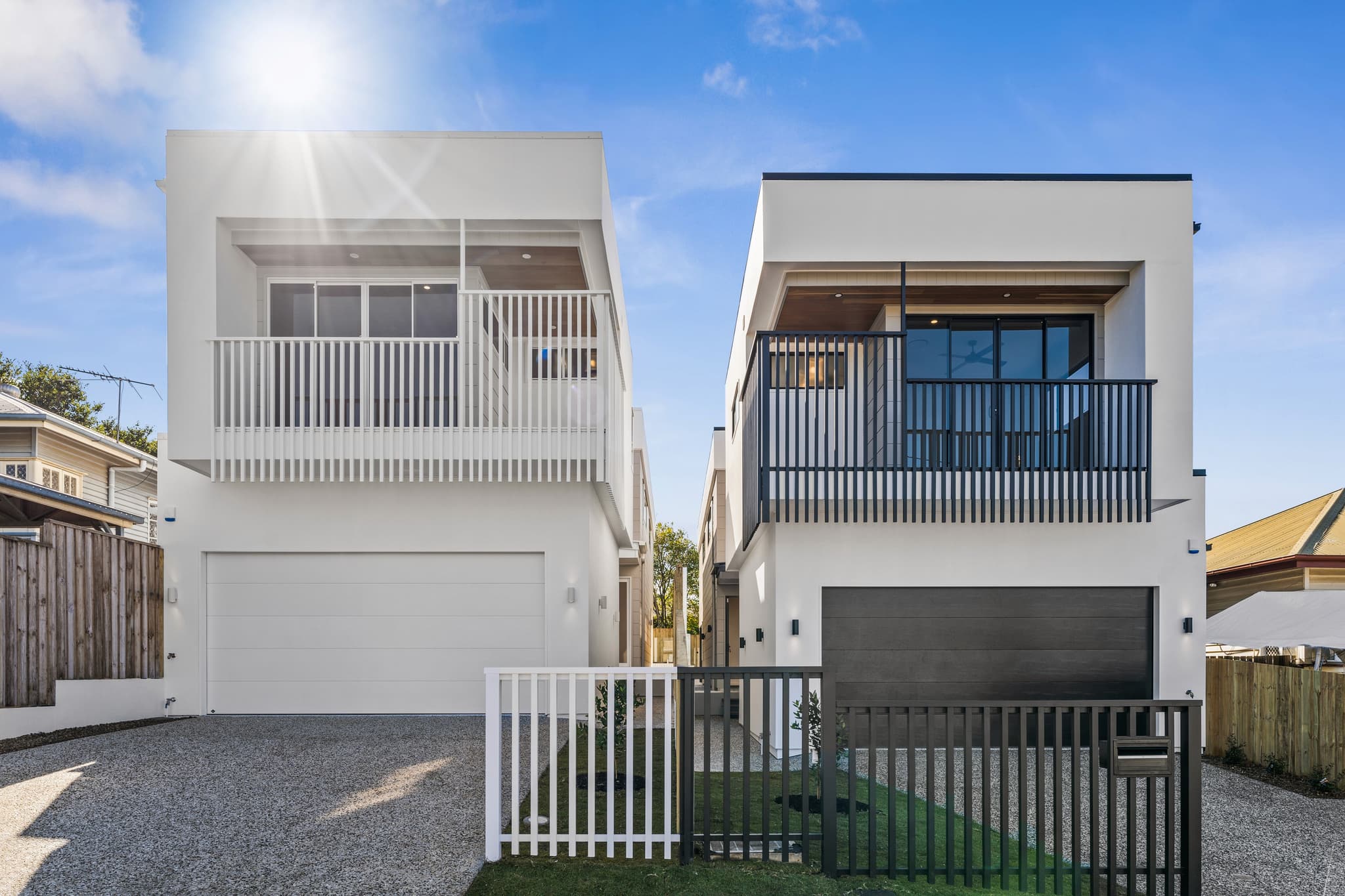
Ten metres is not the floor. Some subdivided inner-Brisbane lots have frontages of 7 to 7.5 metres, and the same toolkit applies but works harder:
- Boundary walls become close to essential, because there is rarely enough width left for setbacks on both sides once a functional plan is fitted in.
- Voids and light wells stop being enhancements and become the main way the home avoids feeling like a corridor.
- Garage layout becomes the biggest constraint. A double garage can take most of the ground floor frontage, which is why single-garage or tandem parking is more common on very narrow lots.
A 7-metre block is not unbuildable. It does mean a generic design has almost no margin, and the plan needs to be built for the lot from the first sketch. On the narrowest lots, two attached homes can work better than one detached home. Our guide to townhouse plans for narrow lots covers that option.
How Do You Build on a Narrow Site?
With limited room for material storage and machinery, the build sequence needs tight timing. Trade movements need coordinating so the street and neighbours are affected as little as possible. A builder who has worked on infill sites plans this before construction, not during it.
Before work starts we plan where materials are dropped, whether a crane day is needed and where trades will park, so the street stays usable for neighbours. Tight sites are a regular part of our restricted access site builds.
How Do You Connect Indoor and Outdoor Living on a Narrow Lot?
Use consistent floor levels and wide-span stacker doors that disappear into the wall cavity. That creates a continuous line from kitchen to rear boundary and makes the whole ground floor feel wider. If a pool is part of the plan, see our guide to building a custom home and pool at the same time.
Frequently Asked Questions
- What is the best house design for a narrow block? Usually a two-storey home with living downstairs and bedrooms above, the stair against one boundary, a void or light well in the middle of the plan, and the ground floor opening fully to the backyard. On frontages under about 7.5 metres, single or tandem parking frees up the front of the home.
- What is the minimum frontage for a two-storey home in Brisbane? A two-storey home works well on a 10-metre frontage. Narrower lots of 7 to 7.5 metres can be built on, but they need a boundary wall, a design built for the lot, and usually a single or tandem garage.
- How do you stop a narrow home from feeling like a tunnel? Add a void over a central area such as the stair or dining, and bring light into the middle with a light well or courtyard. Both break up the single long sightline.
- Can you build right up to the boundary on a narrow lot in Brisbane? In many cases, yes, with an engineered boundary or parapet wall that meets fire-rating requirements. Your certifier and engineer will confirm what applies to your lot.
- Do narrow lot homes need more engineering than standard blocks? Generally yes. Tighter setbacks, boundary walls and limited site access all call for more precise structural and construction planning.
- Is a narrow block also a small lot? Often, yes. Brisbane treats a lot under 450 square metres as a small lot, and a 10-metre-wide block of typical depth falls under that figure.
Talk to Us About Your Block
If you have a narrow or small lot home and want to know what is possible, we can assess the site and advise before you commit to a design. Get a free feasibility check.
Keep reading
More Brisbane building guides
Custom Home Design4 min read
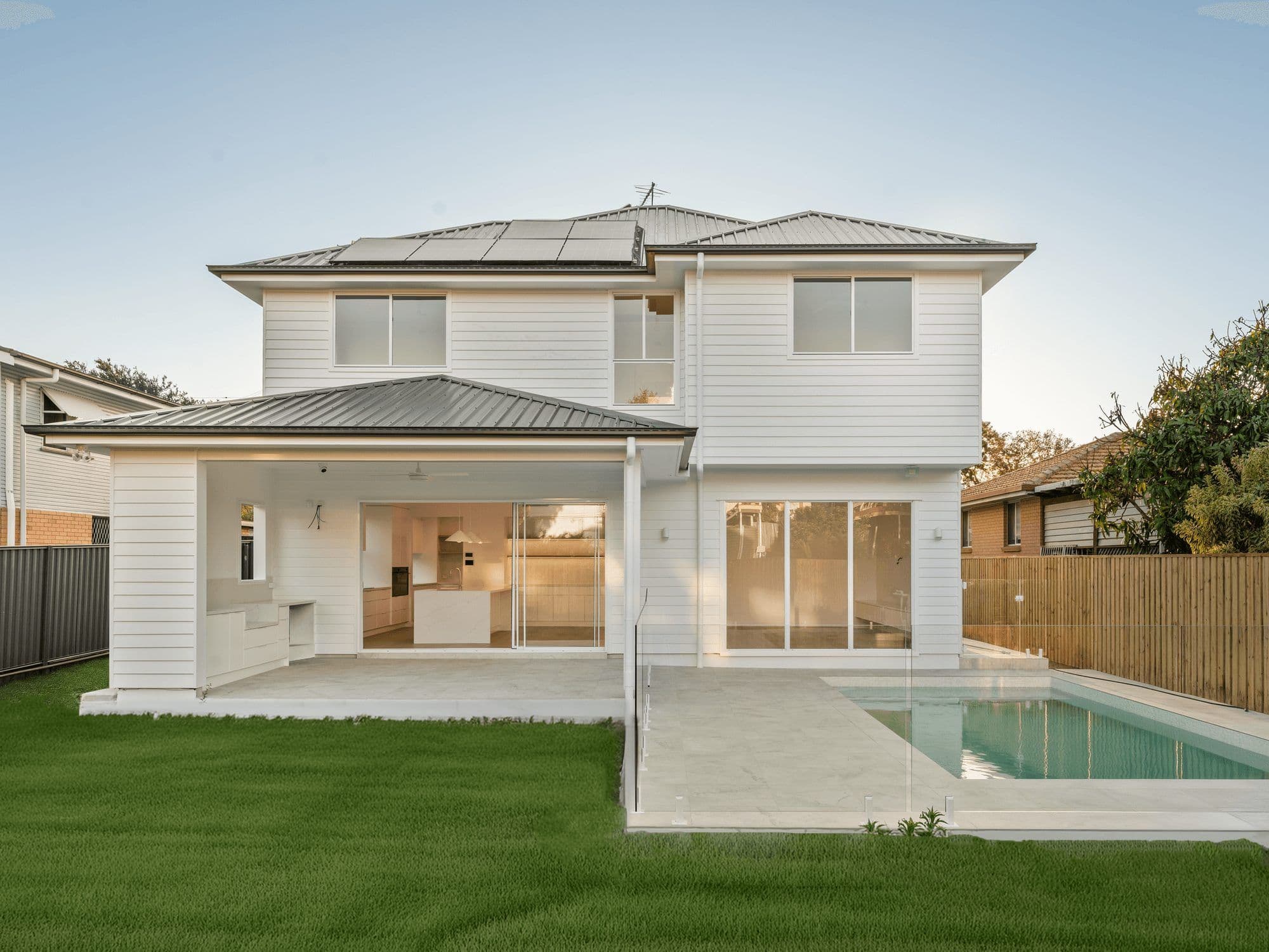
Alfresco Ideas for a Brisbane Home
Alfresco ideas that actually hold up in Brisbane's climate: what has to be right structurally, from a builder.
Custom Home Design6 min read
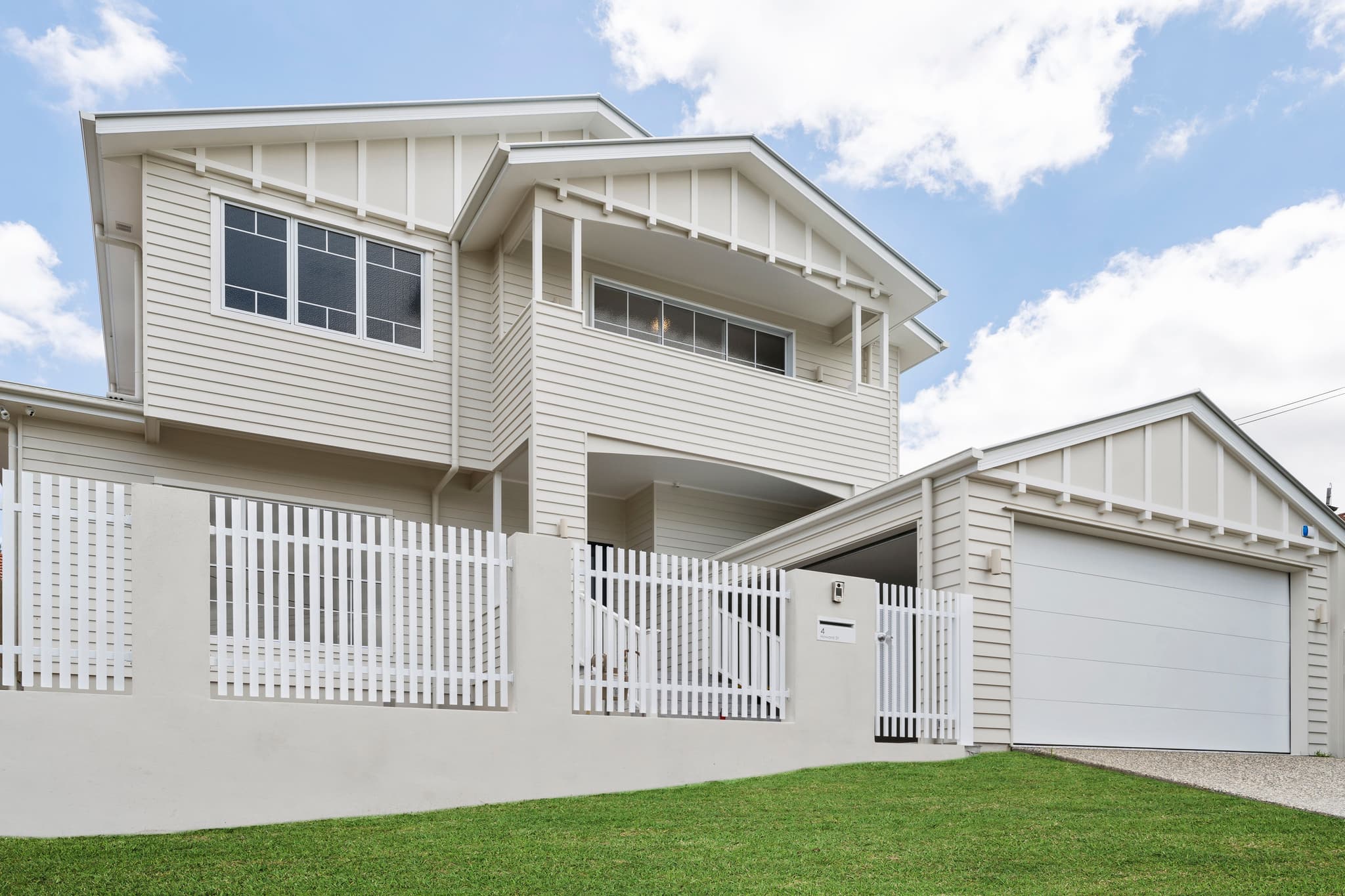
Battle-Axe Block House Designs: A Brisbane Builder's Guide
Thinking about a battle-axe block in Brisbane? What the term actually means, the real Brisbane rules for rear lots, and how to design a home that works.
Custom Home Design6 min read
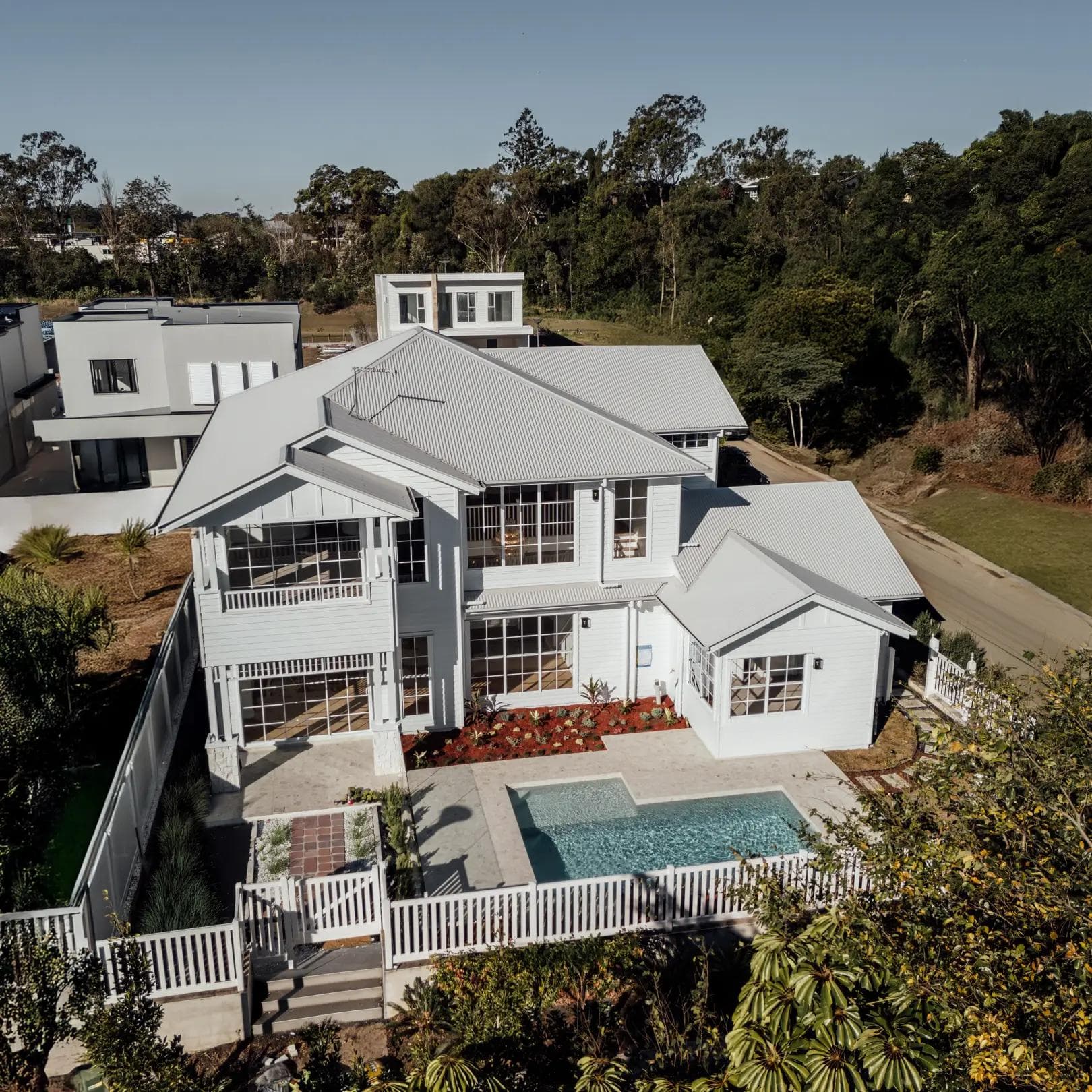
Renovate or Rebuild? How to Decide for Your Brisbane Home
Torn between renovating and rebuilding? See how your home's condition, orientation, and council overlays should actually decide it.