
Townhouse Plans for Narrow Lots That Work
Published Updated 5 min read
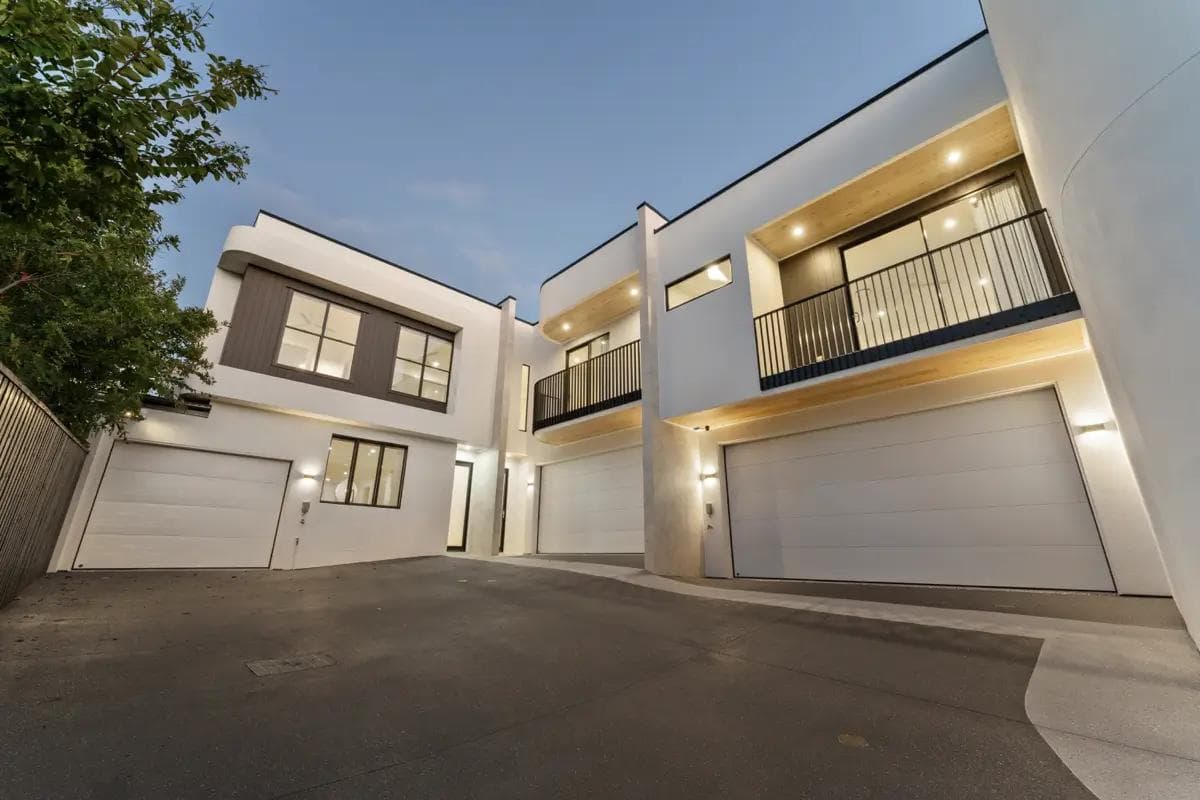
On this page
- Why Is Building on Narrow Lots Becoming the Norm in Brisbane?
- What Site Constraints Actually Shape a Narrow Lot Design?
- How Do You Lay Out a Narrow Lot Townhouse?
- What Design Strategies Actually Work on a Narrow Lot?
- What Planning and Approval Rules Apply to Narrow Lot Townhouses in Brisbane?
- Frequently Asked Questions
Narrow blocks are everywhere in Brisbane and South East Queensland. With limited width to work with, the approach shifts from building out to building up, prioritising natural light and efficient circulation. The outcome isn't compromise, it's about getting the design right from the start.
Why Is Building on Narrow Lots Becoming the Norm in Brisbane?
Land availability in Brisbane and South East Queensland continues to tighten. Between 2003 and 2023, median lot sizes in capital cities fell by 33.8%, shrinking from around 588 square metres to 391 square metres. Blocks are smaller, and design needs to respond to that reality.
The approach on a narrow lot is vertical rather than horizontal. Instead of spreading across the block, homes are built over two or three storeys to accommodate bedrooms, living areas, and outdoor spaces within a limited footprint. Narrow lots often appear in established suburbs close to transport, schools, and amenities, giving buyers access to locations where larger blocks are no longer financially viable. This guide focuses specifically on townhouse and multi-dwelling projects, if you're planning a single custom home on a narrow or small lot instead, our guide to small lot house designs covers that scenario directly.
What Site Constraints Actually Shape a Narrow Lot Design?
Every block has setback requirements, building envelopes, and overshadowing limits. These aren't obstacles, they're the parameters the design works within.
A building envelope is the three-dimensional space on your block where construction is permitted. Setbacks determine how far your home must sit from the front, rear, and side boundaries to ensure adequate light, airflow, and privacy for neighbouring properties. On narrow lots with frontages often less than 10 metres, the design needs to work vertically while addressing these constraints from the start.
| Constraint | The problem it creates | The design response |
|---|---|---|
| Overshadowing regulations | Council limits how much shadow a two-storey rear addition can cast on neighbours | A raked or stepped roofline angling the upper level back, opening up north-facing outdoor space upstairs |
| Reduced side setbacks | Limited window placement on side walls can create dark internal spaces | Central light wells or slim internal courtyards bring light into the core while maintaining privacy |
How Do You Lay Out a Narrow Lot Townhouse?
Narrow lot townhouse design focuses on three core elements: ground floor configuration, vertical distribution, and natural light penetration.
Ground Floor Living
Open-plan layouts on the ground floor create uninterrupted sightlines from front to back. Without walls dividing the kitchen, dining, and living spaces, natural light from both frontages travels through the entire level, preventing the dark middle zones that can occur in long, narrow floor plans. This also improves circulation, movement flows naturally through the living zones themselves rather than a hallway eating into valuable width.

Vertical Distribution
With limited horizontal space, narrow lot designs distribute bedrooms and private areas across upper levels, keeping the ground floor dedicated to living and entertaining while sleeping zones benefit from elevated positions that often capture better views and breezes.
Internal Courtyards and Light Wells
On particularly tight blocks, central courtyards or light wells bring natural light and ventilation into the core of the home, especially useful where side setbacks limit window placement on boundary walls. You can see examples of our townhouse design approach on our townhouses and small lot homes page.
What Design Strategies Actually Work on a Narrow Lot?
Narrow lot design relies on vertical volume, integrated storage, and strategic window placement to create homes that feel spacious and light-filled.
Vertical Volume
Extending ceiling heights over main living areas creates volume and allows light to penetrate further into the floor plan, through a void (an opening in the floor connecting two levels, letting sunlight from upper-level windows reach the ground floor) or a double-height ceiling spanning two storeys, which adds scale and prevents a long, narrow layout from feeling enclosed. Vertical design is just as effective on sloping sites, you can see how we apply this approach on sloping blocks. It's just as central to single-dwelling narrow blocks too, our guide to narrow block house designs for 10m frontages goes deeper on how vertical volume solves the tunnel effect specifically.

Integrated Storage and Circulation
Narrow floor plans need efficient circulation without dedicating width to hallways, movement flows through living zones, with pathways defined by furniture placement or architectural elements like kitchen islands. Storage gets built into the architecture rather than added as freestanding furniture: under-stair storage for pantries or wine storage, and full-height built-in cabinetry that recedes into the background when painted to match the walls.
Window Placement and Natural Light
Placing windows on opposite sides of the home creates cross-ventilation, essential for Brisbane's climate. High-level or clerestory windows bring light into the centre of the floor plan while maintaining privacy from neighbouring properties, particularly useful where side setbacks limit window placement on boundary walls.
What Planning and Approval Rules Apply to Narrow Lot Townhouses in Brisbane?
Townhouse development on narrow lots is subject to Brisbane City Plan requirements, including zoning codes, site cover limits, setback regulations, and parking provisions.
- Zoning: property zoning (for example, LMR2, Low-Medium Density Residential) determines whether townhouse development is permitted and what density is allowed.
- Site cover: the maximum percentage of the block that can be covered by buildings, including the home, garage, and covered outdoor areas.
- Parking requirements: the number of car spaces required per dwelling, typically based on bedroom count and proximity to public transport.
- Setbacks and height limits: minimum distances from boundaries and maximum building heights as defined by the planning scheme.
Development applications are managed by town planners who coordinate the required documentation, architectural plans, engineering reports, and compliance assessments. For the bigger picture on approvals, see our guide to the Flascon approach to building in Brisbane. Working with experienced consultants ensures the design meets council requirements from the outset, reducing the risk of delays or required modifications during assessment.
Frequently Asked Questions
What's the smallest lot width you can build a townhouse on in Brisbane? The minimum width depends on the property's zoning under the Brisbane City Plan, a Low-Medium Density Residential (LMR2) zone has different requirements to a high-density area. As a general guideline, anything under a 15-metre frontage is considered a narrow lot, and townhouse developments have been built on blocks with frontages as narrow as 7.5 to 10 metres per dwelling, though this depends on specific site conditions and council approval. A town planner can assess your site and confirm what's permitted.
How do you prevent a narrow townhouse from feeling like a corridor? Through vertical volume, natural light, and spatial definition. Extending ceiling heights over living areas draws the eye upward, creating volume without horizontal expansion, while strategic window placement adds light from multiple angles without compromising privacy.
Can every narrow lot support a townhouse development? It depends on zoning, if the property isn't zoned for the density you're planning, a townhouse development won't be permitted regardless of the block's physical dimensions. A town planner or experienced builder can confirm what your specific site allows before you invest in design work.
Ready to discuss your narrow lot project? Contact Flascon for a free property assessment.
Keep reading
More Brisbane building guides
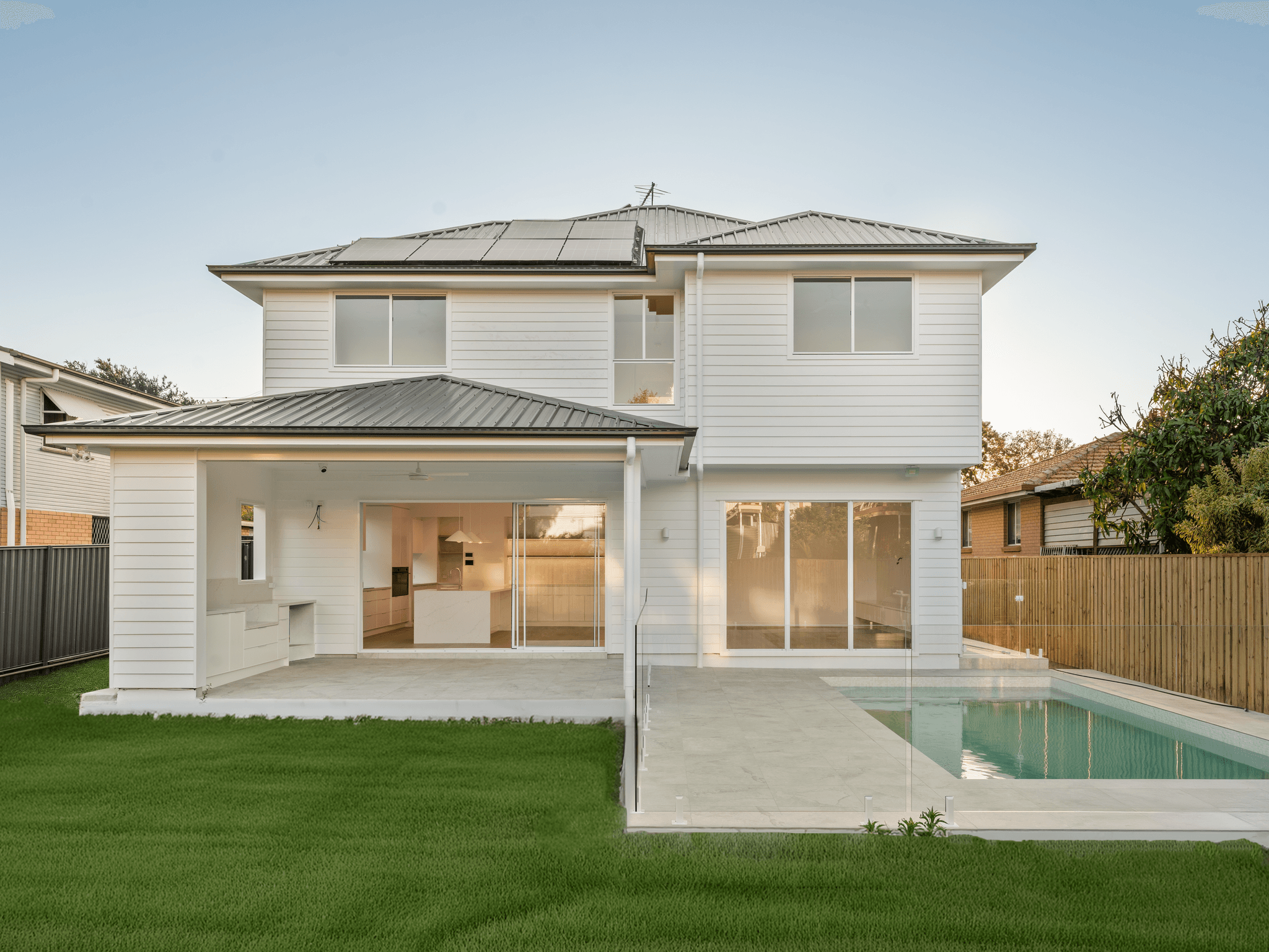
Custom Home Design4 min read
Alfresco Ideas for a Brisbane Home
Alfresco ideas that actually hold up in Brisbane's climate: what has to be right structurally, from a builder.
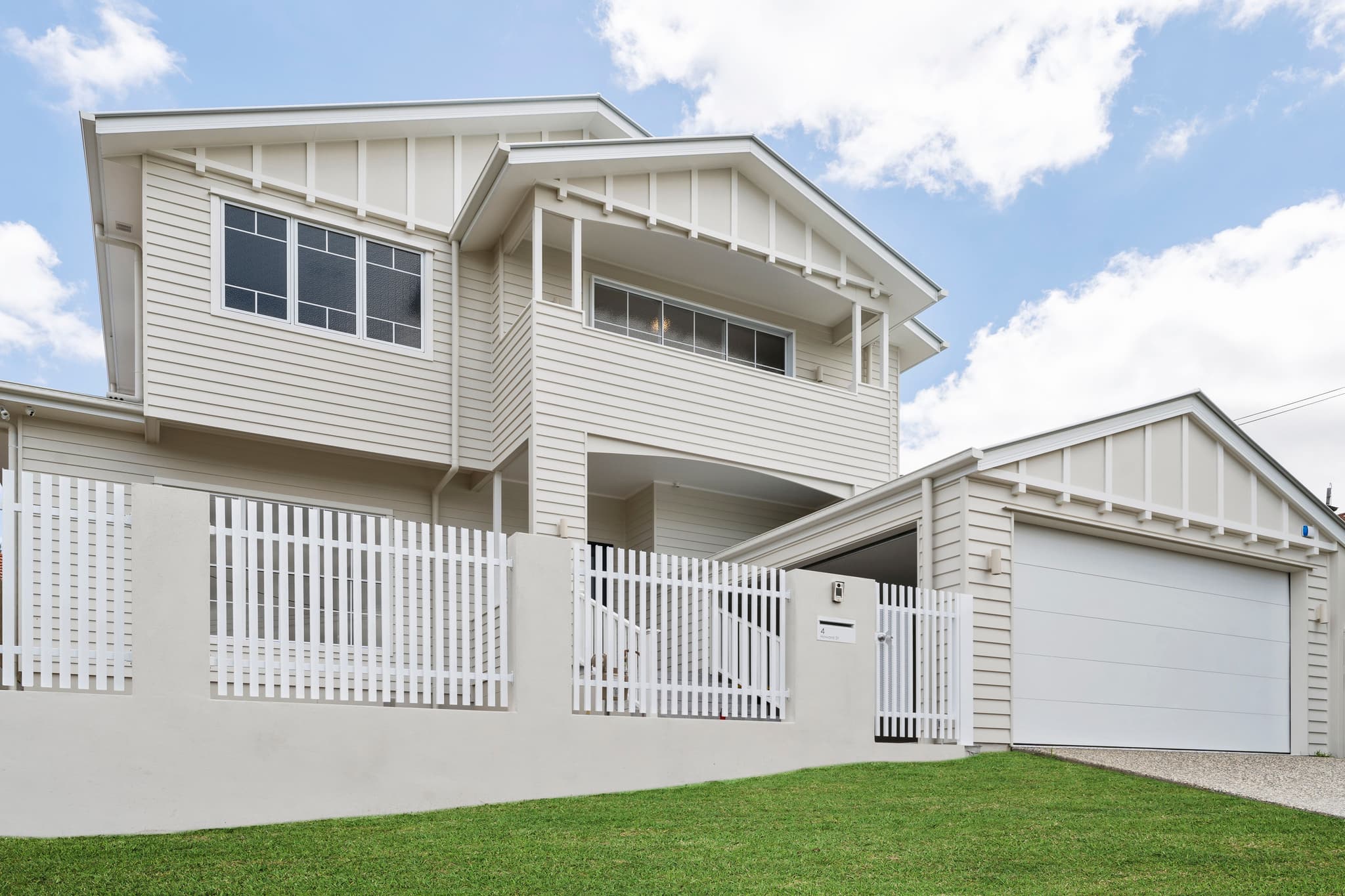
Custom Home Design6 min read
Battle-Axe Block House Designs: A Brisbane Builder's Guide
Thinking about a battle-axe block in Brisbane? What the term actually means, the real Brisbane rules for rear lots, and how to design a home that works.
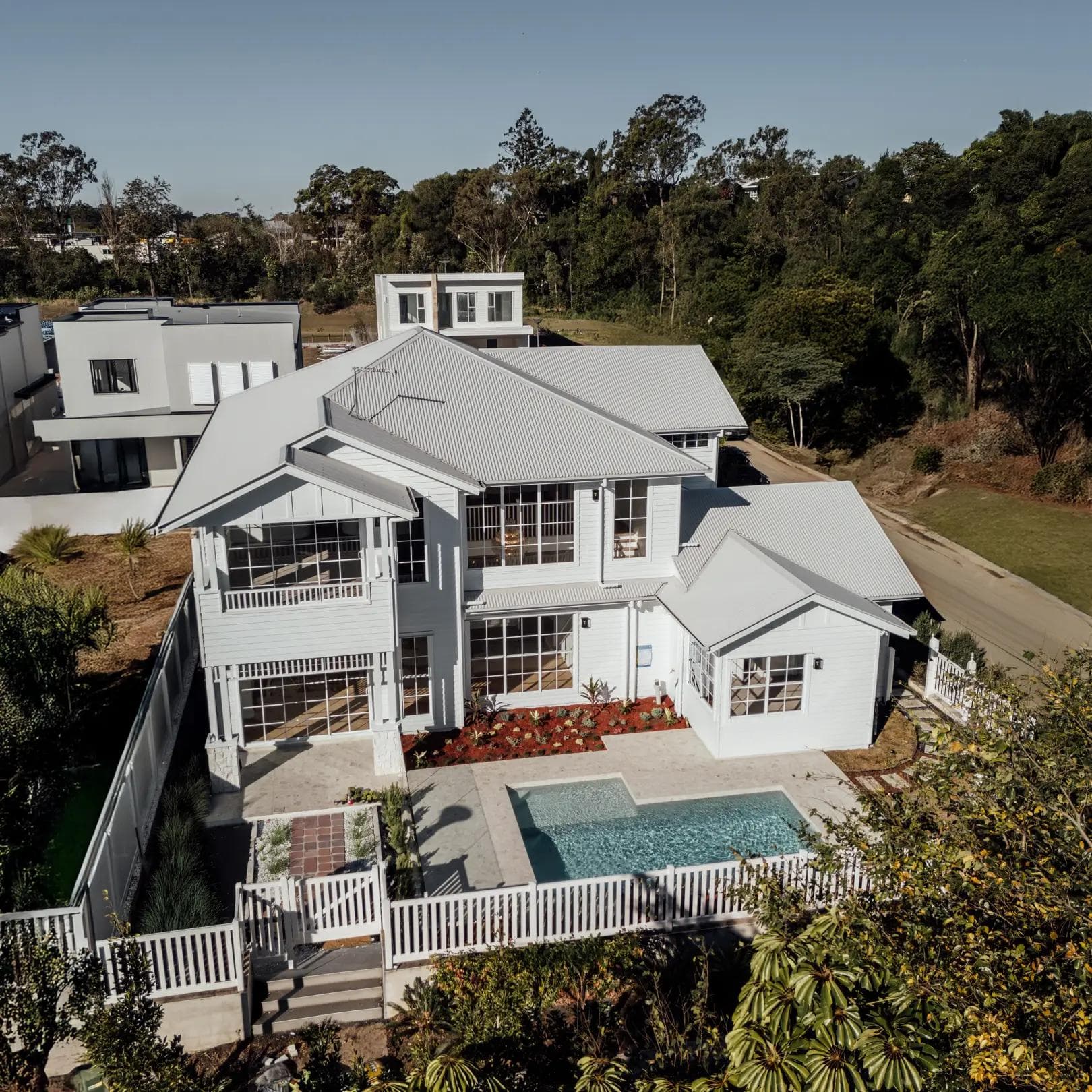
Custom Home Design6 min read
Renovate or Rebuild? How to Decide for Your Brisbane Home
Torn between renovating and rebuilding? See how your home's condition, orientation, and council overlays should actually decide it.