
Your Guide to Building a Single Storey House in Brisbane
Published Updated 5 min read
On this page
- Why Choose a Single-Storey House in Brisbane?
- Single Storey vs Two Storey: What's the Real Trade-Off?
- How Do You Design a Single-Storey Layout That Works?
- How Do You Build a Single-Storey Home on a Challenging Brisbane Lot?
- What Drives the Cost of a Single-Storey Build?
- What Does the Building Process Actually Look Like?
- Frequently Asked Questions
Designing a custom single storey house in Brisbane offers a unique opportunity to create a home where daily life unfolds on one seamless level. For many homeowners, this is not just a practical choice, but a lifestyle decision driven by a desire for effortless flow, long-term accessibility, and a deep, immediate connection to the outdoors.
Why Choose a Single-Storey House in Brisbane?
Opting for a single-storey home is a deliberate move toward a highly connected floor plan. While two-storey homes are excellent for maximising yard space on a tight block, a single-level layout places bedrooms, living spaces, and outdoor entertaining areas on the same plane, a design that inherently embraces the Brisbane climate and lifestyle.
- Effortless indoor-outdoor flow. Entertaining is streamlined when guests move freely between the kitchen and the deck without navigating stairs. Designing the finished floor level of your alfresco area to sit flush with your internal floors creates a seamless, trip-free transition.
- Simplified maintenance. General upkeep, clearing gutters, washing exterior windows, is inherently safer and more straightforward when managed from ground level.
- Future-proof accessibility. A home without stairs accommodates every stage of life, a safe environment for young children and comfortable mobility for older relatives. Incorporating wider 870mm doorways during the design phase keeps moving furniture, and accommodating accessibility aids in the future, effortless.
Single Storey vs Two Storey: What's the Real Trade-Off?
| Single storey | Two storey | |
|---|---|---|
| Footprint | Larger, all living space on one level | Smaller footprint, more usable yard space |
| Yard space | Reduced, especially on a typical 405m² block | Preserved, since living space stacks vertically |
| Construction cost drivers | Larger slab and roof area | Upper-level structural steel, staircases, scaffolding |
| Accessibility | No stairs, suits every life stage | Requires stairs unless specifically designed otherwise |
| Best suited to | Wider blocks, acreage, or accessibility priorities | Narrower blocks wanting to preserve outdoor space |
The most significant consideration for a single-storey house is its larger footprint. Spreading all your living space across one level naturally takes up more land, which can be a real challenge on the smaller or narrower blocks common across Brisbane. On a typical 405m² block, a 200m² single-storey home leaves a noticeably smaller backyard than the same 200m² spread across two levels. Construction cost is a genuine trade-off too: a single-storey build avoids staircases and upper-level structural steel, but the larger foundation slab and roof area can sometimes push material costs higher than a more compact two-storey home with the same internal square metreage.
How Do You Design a Single-Storey Layout That Works?
Managing the larger footprint well comes down to floor plan shape.
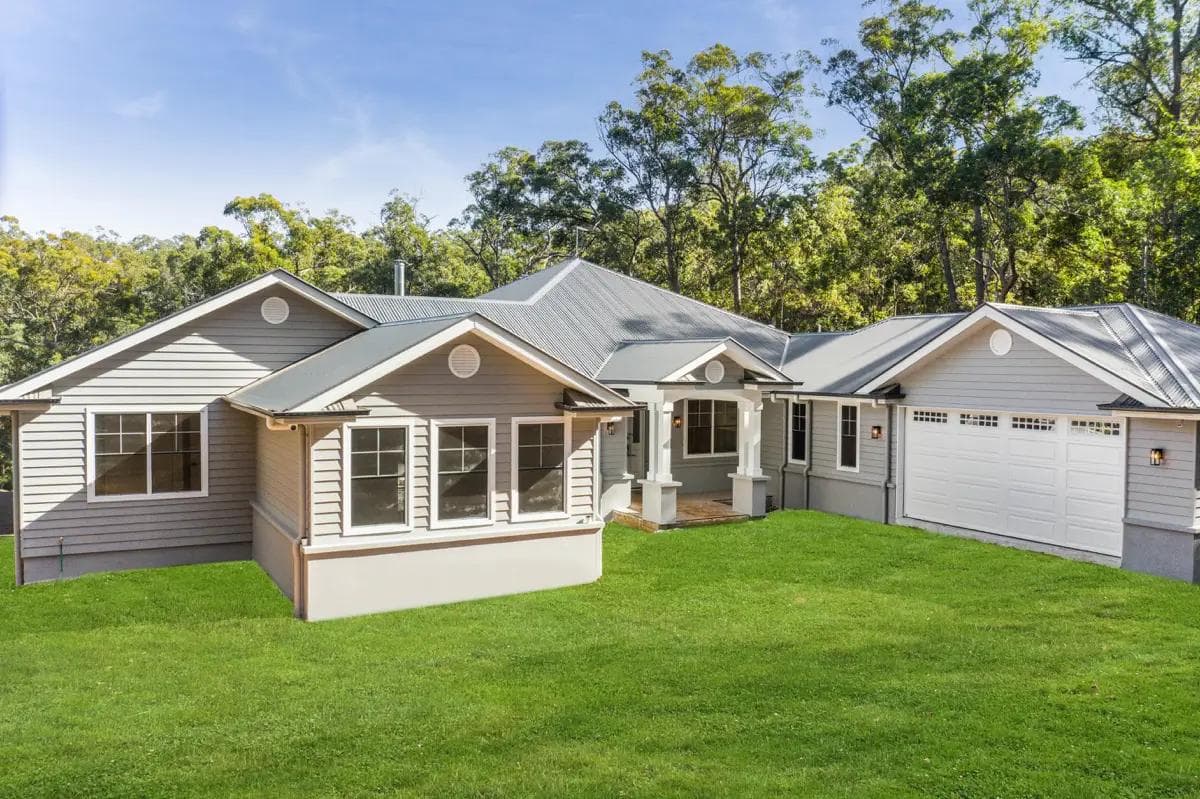
- L-shaped plans dedicate one wing entirely to private zones for acoustic separation, while the other wing houses the open-plan kitchen and living areas.
- U-shaped plans wrap the home around a central courtyard or alfresco deck, creating a private outdoor room sheltered on three sides, natural light floods the interior from multiple directions, and the courtyard becomes a genuine focal point.
- Zoning an open-plan space without physical walls comes down to a few reliable tricks: strategic furniture placement, varied ceiling heights, and large floor rugs.
- Smart storage and alfresco integration keeps a single-storey home feeling open rather than cluttered: full-height cabinetry taken right to the ceiling maximises storage and draws the eye upward, integrated joinery like a custom-built media unit hides electronics behind an architectural feature, and a kitchen island with deep drawers on the cooking side and hidden power on the seating side works as a genuine hub.
For particularly constrained sites, our guide to small lot house designs covers more strategies specific to narrow Brisbane blocks.
How Do You Build a Single-Storey Home on a Challenging Brisbane Lot?
Many of Brisbane's most sought-after suburbs feature sloping, narrow, or irregular lots, and building single-storey on a tricky block requires smart engineering to turn potential constraints into defining features.
A sloping block is the perfect canvas for a split-level single-storey home. This design creates a series of interconnected floor levels that step down the hillside, following the land's natural contours, often reducing the need for extensive cut-and-fill earthworks and expensive retaining walls. The subtle internal shifts in floor level add genuine architectural character, allowing for soaring raked ceilings and elevated views from the main living zones.
Narrow lots demand clever design to ensure a single-storey home feels spacious. Long, linear layouts, elevated ceiling heights, and internal courtyards or skylights pull natural light deep into the core of the home.
What Drives the Cost of a Single-Storey Build?
When assessing the investment required for a custom single storey house, it's worth looking beyond basic square-metre rates. Three primary factors drive the final budget:
- Site preparation. Sloping or rocky Brisbane blocks require extensive earthworks, retaining walls, and specialised foundation engineering. An upfront soil test and contour survey are critical to estimating this accurately.
- Design complexity. A clean, rectangular floor plan is the most cost-effective to construct. Multiple corners, U-shaped courtyards, or intricate rooflines increase both material and labour requirements.
- Finishes and inclusions. Flooring, custom cabinetry, benchtops, and fixtures offer the most direct control over your budget.
A transparent quoting process lets you see exactly where funds are allocated, so you can balance high-impact architectural features against your overall investment goals.
What Does the Building Process Actually Look Like?
Building a custom home is a structured partnership, broken down into manageable phases: initial consultation and site assessment, detailed design and quoting, construction with regular site meetings and progress updates, and a final detailed walkthrough at handover. For the complete stage-by-stage breakdown, see our guide to the 10 critical stages of building a custom house.
Frequently Asked Questions
Is it cheaper to build a single storey house? Not necessarily. While you save on the structural engineering and scaffolding required for a second level, a single-storey home requires a larger foundation slab and roof area. The true cost difference depends entirely on the complexity of your design, the level of finish, and the specific earthworks required for your block.
Can I build a spacious home on a narrow block? Absolutely. Creating a sense of space on a narrow lot relies on site-specific design, linear layouts to create a sense of length, internal courtyards or light wells to draw in natural light, and elevated ceiling heights to increase the volume of the rooms.
How long does it take to build a custom home? It depends on design complexity, site conditions, and weather, there's no single fixed timeline that applies to every build. For the full stage-by-stage breakdown, see our guide to how long it takes to build a house in Brisbane.
Ready to take that first step towards your dream single-storey home? The team at Flascon Construction Group is here to offer honest advice and clear, actionable guidance. Start your building journey with a free, no-obligation property assessment.
Keep reading
More Brisbane building guides
Custom Home Design4 min read
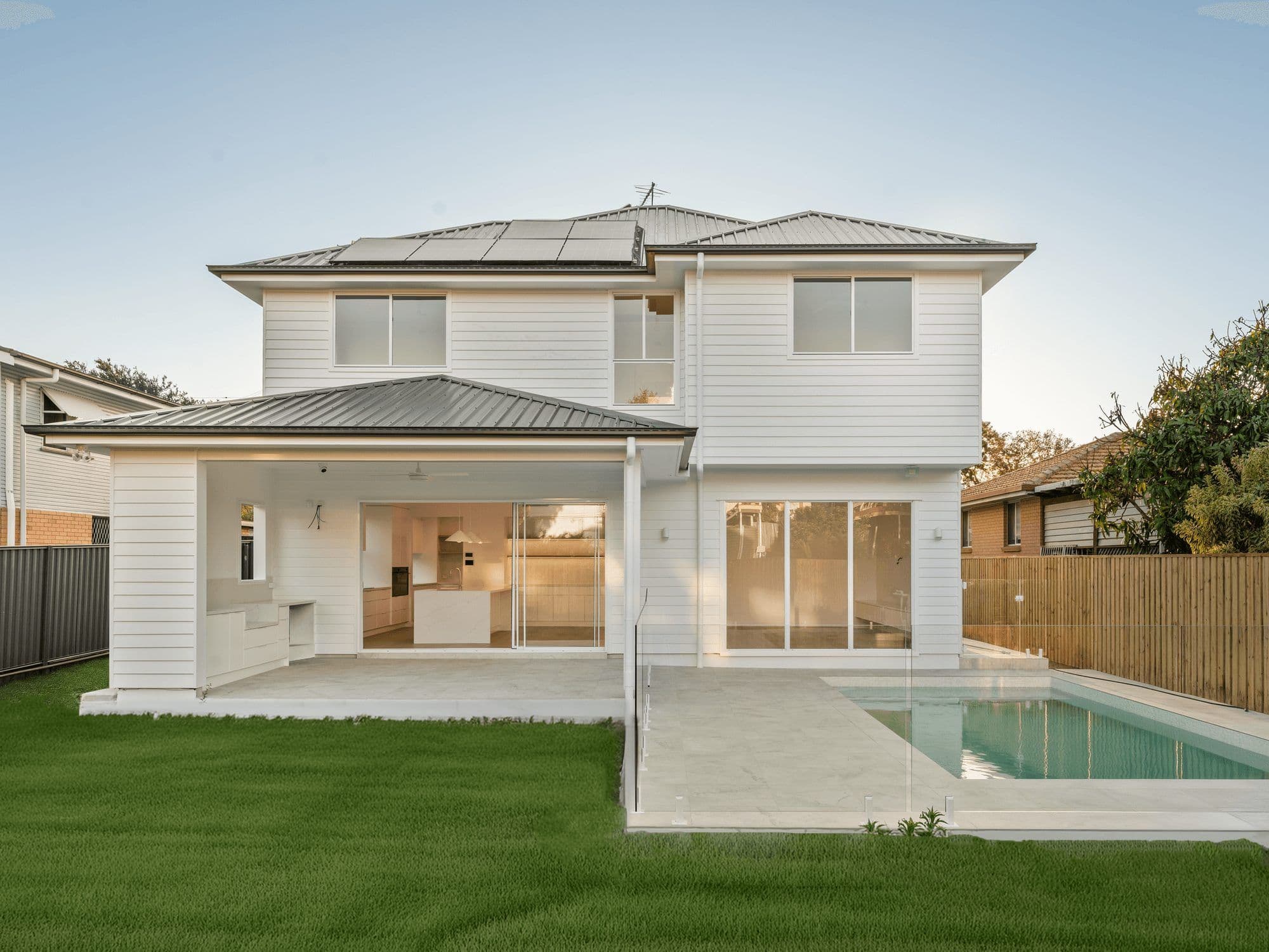
Alfresco Ideas for a Brisbane Home
Alfresco ideas that actually hold up in Brisbane's climate: what has to be right structurally, from a builder.
Custom Home Design6 min read
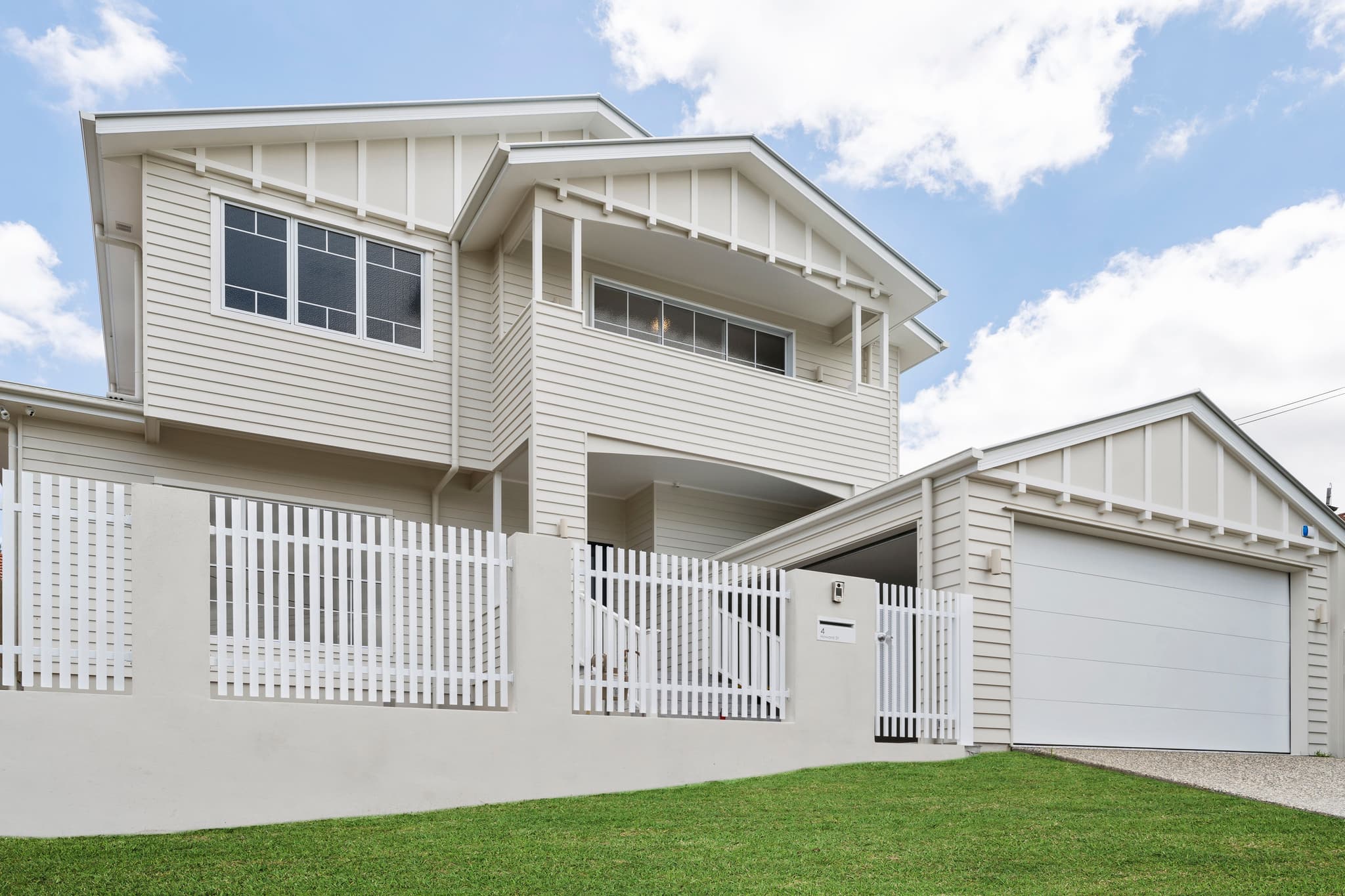
Battle-Axe Block House Designs: A Brisbane Builder's Guide
Thinking about a battle-axe block in Brisbane? What the term actually means, the real Brisbane rules for rear lots, and how to design a home that works.
Custom Home Design6 min read
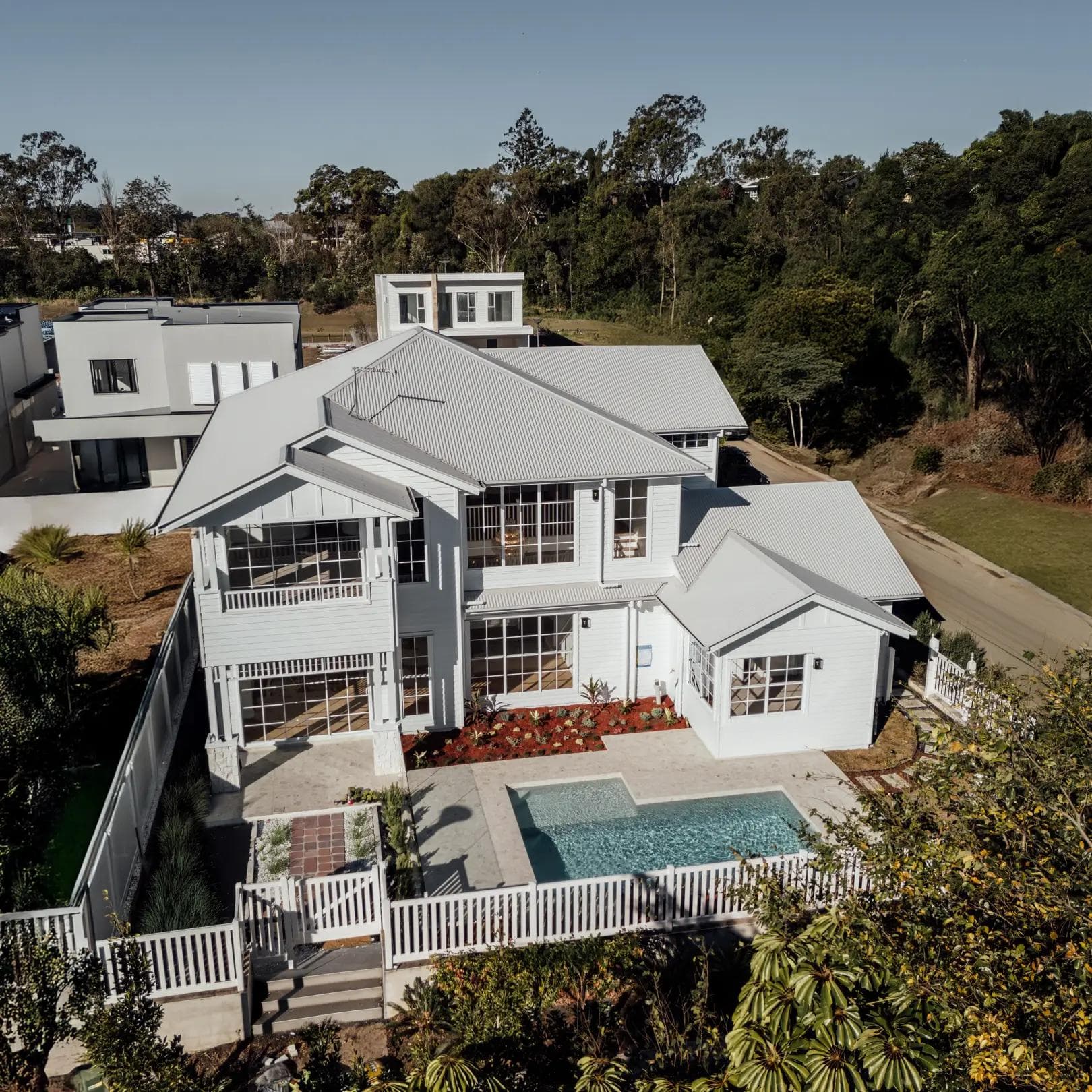
Renovate or Rebuild? How to Decide for Your Brisbane Home
Torn between renovating and rebuilding? See how your home's condition, orientation, and council overlays should actually decide it.