
A Guide to Building Tri Level Homes in Brisbane
Published 9 min read
On this page
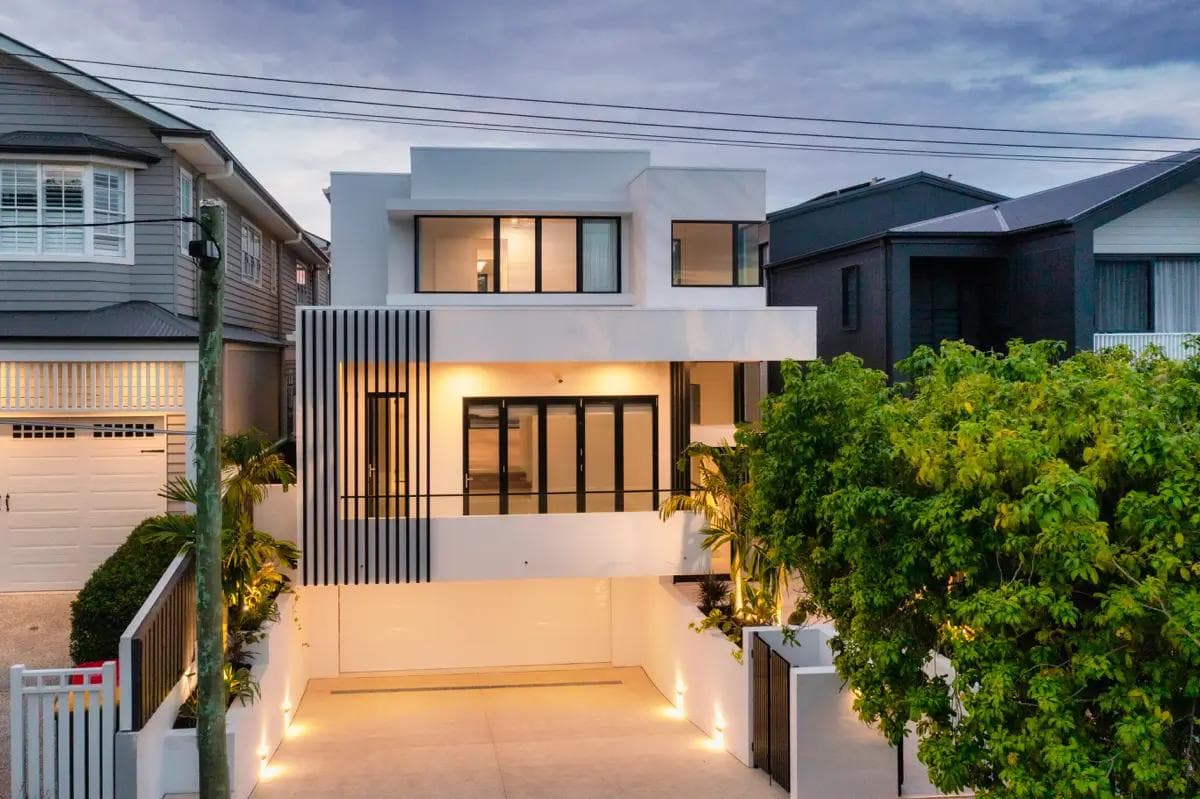
When you’ve got a sloping block of land, it can feel more like a problem than an opportunity. The traditional approach often involves costly earthworks and massive retaining walls just to create a flat building pad. But what if you could work with the slope instead of against it?
That’s exactly what a tri-level home does. It’s a clever design that uses a series of staggered floors to create distinct living zones that follow the natural contour of your land. Here at Flascon Construction Group, this is one of our specialities, turning challenging Brisbane properties into truly unique and functional homes. It’s simply a smarter way to maximise your space, capture the best views, and enhance your lifestyle on a less-than-perfect block.
Why Tri-Level Homes Work Well for Brisbane Properties
For many Brisbane homeowners, a sloping block is a major headache. A tri-level design offers a practical and far more elegant solution. Instead of fighting the hill, you embrace it, creating a series of terraced living spaces that cascade down the property's gradient.
This approach changes how you approach building on a difficult site. For example, on a block that slopes down from the street, a tri-level design might place the garage and entry at street level, the main living areas a short flight of stairs down to connect with the garden, and the bedrooms on an upper level to capture breezes. This intelligent staggering of the home's structure across three main levels not only minimises expensive site work but unlocks a whole range of benefits perfectly suited to our local climate.
Design Opportunities with Tri-Level Homes
The very nature of a tri-level home creates a natural separation between living spaces, giving your family a level of privacy and functionality that’s often hard to find in a typical single-storey layout.
- Distinct Zones: The lower level can become the perfect teenager’s retreat with a rumpus room and separate entry. The main mid-level can house the kitchen and living areas for social gatherings, while the upper level is ideal for a secluded main bedroom with elevated views and breezes.
- Capturing Views and Light: Staggering the floors lets us get creative with window placement, positioning high-level windows on the upper floor to capture breezes over neighbouring properties.
- Making the Most of Your Land: By building up and following the slope, you free up more of your precious yard space for gardens, outdoor entertaining areas, or even a pool. This is a huge advantage on smaller urban blocks where every square metre counts.
Multi-level homes are increasingly common for new builds on Queensland's hilly terrain. For construction data and insights, see Cotality.
Tri Level vs Split Level vs Two Storey Designs
When you start talking to a builder about a new home, getting the terminology right is half the battle. People often throw around terms like 'tri level', 'split level', and 'two storey' as if they're the same thing. They're not. Each design has a completely different feel and, more importantly, suits different types of land.
The traditional two-storey home has two full floors stacked on top of one another, typically on a flat concrete slab. This works well for flat blocks. On sloping sites, two-storey builds require extensive cutting, filling, and retaining walls, which increases site preparation costs.
Split and tri level designs address this differently. Instead of fighting the slope, they are cleverly designed to work with it. By staggering the floor levels and connecting them with short sets of stairs, these homes follow the natural fall of the land. We cover this in much more detail in our blog to sloping block home designs.
The Key Distinctions
So what's the real difference between them? It all comes down to how the levels are arranged.
A split level design typically has two main sections of the house, with the floors offset. You might walk in the front door to your living room and kitchen, then take half a flight of stairs up to the bedrooms, or head down another half-flight to the garage and a rumpus room.
A tri level home takes that idea and expands on it, creating three distinct, clearly separated levels. Think of it like this: a lower level for the garage and entry, a middle level dedicated to open-plan living and entertaining, and an upper level that’s a private retreat for all the bedrooms. This creates clear functional separation.
Practical Considerations and Potential Challenges
Every design approach involves trade-offs, and it’s important to go in with your eyes open. The most obvious feature of a tri-level home is the stairs, multiple short flights connecting the three distinct levels. They become a part of your daily routine and might not be the best fit for everyone, especially if mobility is a concern now or in the future. The multi-level layout requires careful planning for plumbing, electrical, and air conditioning across different elevations. Requesting a detailed services plan from your builder early ensures ducting for air conditioning is hidden within floor joists and plumbing runs are logically stacked, avoiding costly changes later.
Key Design Strategies for Your Tri-Level Project
Turning a good floor plan into a genuinely brilliant, liveable home means looking beyond just the layout of the rooms. With tri-level homes, true success comes from a set of deliberate design choices that embrace the unique structure, rather than fighting it.
Our first move is always to study the site’s orientation. For example, if your block slopes to the north, we can design the main living area on the mid-level with large glass doors that open to a sunny deck, while placing service areas like the laundry and garage on the cooler south side. This passive design strategy makes a huge difference to your home's comfort and energy bills.
Just as critical is the strategic placement of windows. By creating openings on opposite sides of a room or even an entire level, we can encourage natural cross-breezes to flow right through the house. This simple technique keeps your home feeling fresh and comfortable, cutting down your reliance on air conditioning all year round.
Maximising Space and Functionality
One of the greatest challenges in any multi-level design is making sure every single square metre earns its keep. It’s all about thinking creatively about storage and how essential services like plumbing and electricity are woven through the different elevations.
Comprehensive floor planning optimises both space and daily function in tri-level homes. These plans are much more than just blueprints; they become the roadmap for how you’ll live in the home.
Common storage solutions in tri-level homes include:
- Under-stair spaces: Instead of just walling them off, we can build in custom joinery for everything from a compact wine cellar to a clever mudroom nook.
- Sub-floor areas: The natural voids created between levels present a perfect opportunity for hidden storage rooms or even a workshop, easily accessed from a lower level.
- Window seats: We love integrating storage drawers beneath window seats in living areas or bedrooms. It adds valuable function without taking up an inch of floor space.
Planning for Efficient Services
Inefficient layout for plumbing and electrical systems can lead to higher costs and future maintenance headaches. The secret is to "stack" wet areas as vertically as possible.
This approach dramatically shortens the length of pipe runs and simplifies the entire plumbing network, saving both time and money during the build. For the electrical, we map out a central service core where wiring can be efficiently routed to each of the three levels without needing complex, lengthy runs. Discussing this 'stacking' concept with your designer during the initial floor planning phase to ensure efficient service placement.
Project Timelines and Council Approvals
A Typical Project Timeline
Building a custom home follows a structured process. Effective planning keeps projects on track from the start. For detailed planning guidance, see How to Plan Your Home Renovation. Here’s a typical timeline:
- Design and Planning (2–4 months): This is the creative engine room. It covers everything from the first concept sketches and soil tests right through to detailed architectural drawings and final engineering specifications.
- Council Approval (1–3 months): Once the plans are locked in, they’re submitted to the local council for certification. A builder who knows the ropes will manage this for you, helping to avoid common pitfalls that can cause delays.
- Construction (8–12 months): The exciting part! This is the hands-on building phase, from pouring the slab and framing the walls to installing the kitchen and adding the final lick of paint.
- Handover and Post-Construction (1 month): The home stretch. This final month includes all the last inspections, quality assurance checks, and handing over all the warranties and documentation before you get the keys to your new home.
Council Requirements and Knockdown Rebuilds
In many of Brisbane's most loved suburbs, a knockdown-rebuild is the go-to option for families who love their location but need a home that fits their modern lifestyle. This path adds an extra layer of council compliance, involving demolition permits and ensuring the new design respects any neighbourhood character codes or zoning rules.
Working with a builder familiar with local council requirements helps avoid delays. Builders who can provide examples of recently approved tri-level plans in your council area demonstrate direct experience with local regulations. They manage the paperwork, liaise with certifiers, and make sure your tri-level home transitions from a blueprint to your front door as seamlessly as possible.
To see exactly how we handle these critical steps, take a look at the detailed breakdown of the Flascon building process.
Ready to Build Your Tri-Level Home?
Building your own home is one of the biggest and most rewarding projects you’ll ever take on. For sloping Brisbane blocks, a custom-designed tri-level home offers a practical solution for steep or challenging sites.
This style works with the natural slope of your land. It creates distinct zones for living, entertaining, and privacy while capturing views and breezes. It avoids extensive earthworks and requires experience with multi-level construction on sloping sites.
Your Tri-Level Home Questions, Answered
When you're exploring a custom build, especially one as unique as a tri-level home, it's natural to have a lot of questions. We've gathered some of the most common ones we hear from our clients to give you the clear, practical answers you need to make an informed decision.
Can a Tri-Level Home Be Made Accessible?
The stairs are an inherent part of the design, but that doesn't mean accessibility is off the table. Smart planning from the outset can make a world of difference. For instance, we can cluster the most essential living spaces all on one convenient level. This simple strategy dramatically cuts down on the need for daily stair climbing.
How Much Can I Customise the Design?
The sky is pretty much the limit here. Unlike a project home you might pick from a catalogue, tri-level homes are almost always a completely bespoke design, crafted specifically for your block of land. This gives you total freedom to shape the layout, from the exact dimensions of each room to the way different spaces connect and flow.
Tri-level homes allow you to decide how your home functions for you. Listing your daily routines helps your designer create a floor plan that works, such as placing the laundry near the bedrooms or creating a mudroom entry from the garage.
Your property has unique potential waiting to be unlocked. Let the expert team at Flascon Construction Group show you what's possible with a free, no-obligation property assessment and quote. Discover how a custom tri-level design can transform your block.
Keep reading
More Brisbane building guides
Construction4 min read
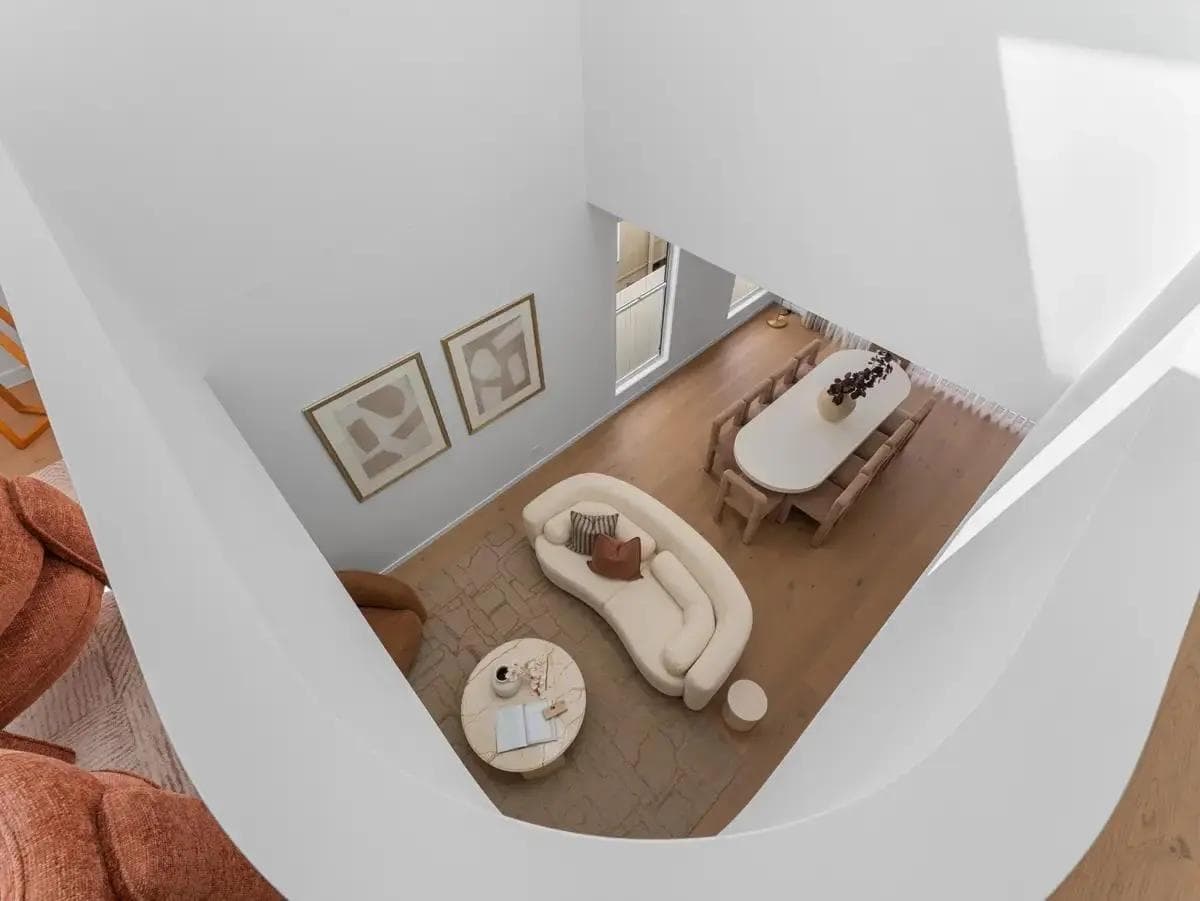
Luxury Home Builders in Brisbane: What a Luxury Build Involves
Flascon Construction Group, luxury home builders in Brisbane with custom homes on the city's harder blocks, from Holland Park to Rochedale.
Construction4 min read
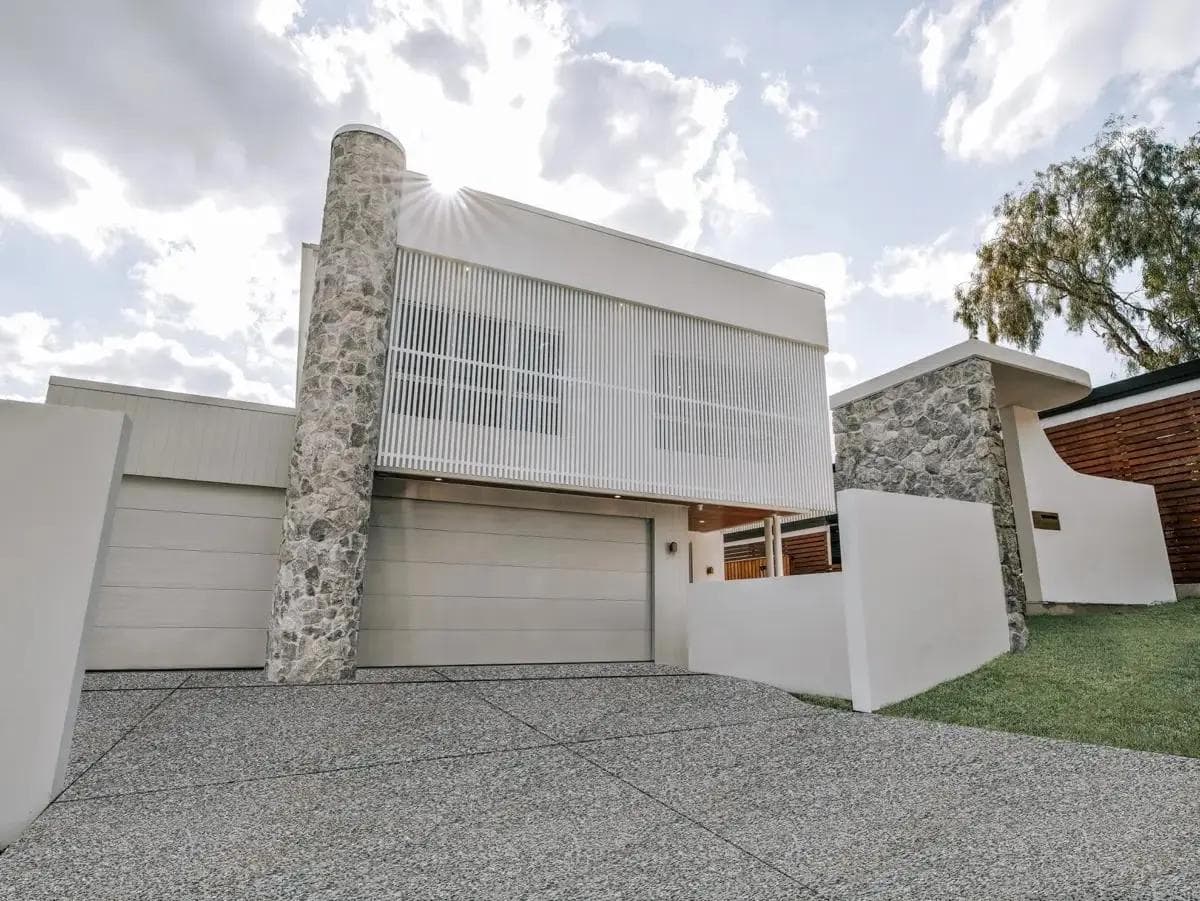
Custom Home Builders in Brisbane: Homes Built for the Block
Boutique custom home builders in Brisbane. Flascon builds custom homes, knockdown rebuilds and sloping site homes across Brisbane and SEQ.
Construction3 min read
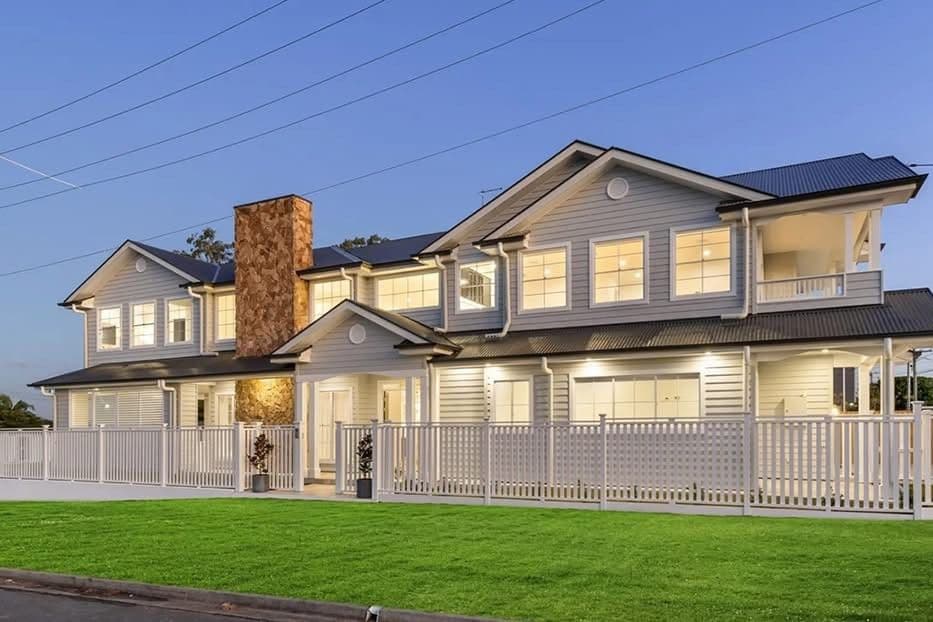
In The News: Jay Flaskos on Knockdown Rebuilds
Flascon founder Jay Flaskos features in a Brisbane Times article on why knockdown rebuilds are surging across Brisbane's established suburbs. Read more.