
Wide House Plans: A Brisbane & SEQ Builder's Guide
Published Updated 4 min read
On this page
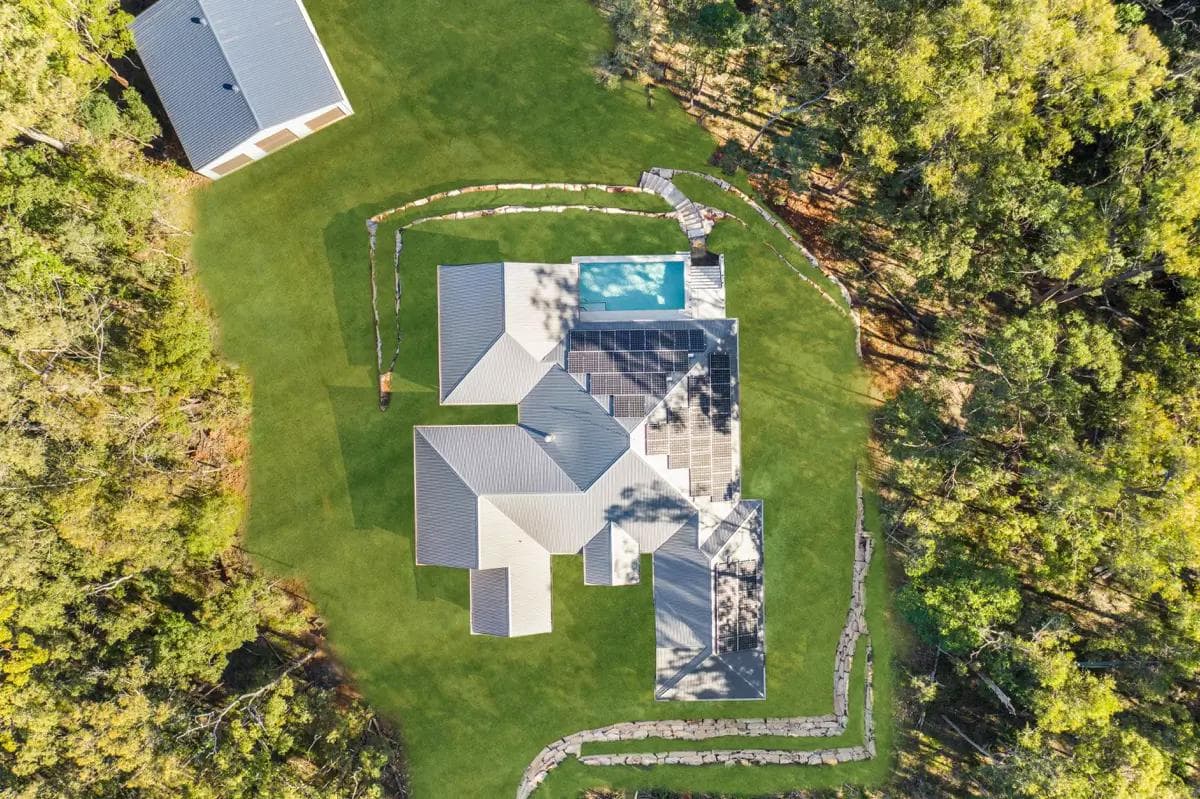
Wide house plans offer a practical solution for many Brisbane and South East Queensland sites, particularly on knockdown-rebuild blocks or suburban lots with unconventional proportions. While standard designs work well for many, a wider footprint can often maximise natural light, improve airflow, and enhance daily functionality.
A successful wide home responds directly to its specific site. Factoring in slope, setbacks, drainage, site cover, and orientation ensures the design is both efficient and highly liveable.
Why Do Some Blocks Suit Width Better Than Depth?
A site does not need to be massive to accommodate a wider layout; it simply requires the right proportions. Spreading key rooms across the frontage or rear of the property allows for increased natural light and avoids heavily corridor-reliant layouts.
This footprint is particularly effective for households requiring multiple living areas, a dedicated home office, and distinct zoning for bedrooms, creating functional separation without the home feeling fragmented.
What Opportunities Do Complex Sites Offer a Wide Home?
When planning a wide home in Brisbane, consider:
- Usable width: Setbacks, easements, and access requirements dictate the actual buildable area.
- Living space placement: Positioning living areas correctly ensures a strong connection to outdoor spaces while managing western sun exposure.
- Topography response: Split-level designs often perform efficiently on sloping blocks.
- Initial assessments: Early site assessments and engineering reviews help clarify site capabilities.
How Does a Wide Home Layout Actually Function?
A wide home layout spreads activity horizontally across the block, providing more rooms with external walls, multiple window aspects, and direct connections to outdoor spaces. In Brisbane’s climate, this supports cross-ventilation and passive cooling.
How a Wide Home Functions
A well-planned wide layout anchors the kitchen, living, and dining areas centrally, separating bedrooms into distinct, quieter wings. Alfresco areas can integrate seamlessly with the primary living zones.
Layout Comparison at a Glance
| Feature | Wide Plan Approach | Standard/Narrow Plan Approach |
|---|---|---|
| Street presence | Broader frontage and strong horizontal proportion | Taller or deeper form often does the work |
| Natural light | Increased access to external walls and glazing | Central areas are more likely to rely on borrowed light |
| Indoor-outdoor flow | Direct connection from multiple living zones to the alfresco | Outdoor connection is often concentrated at the rear only |
| Zoning | Horizontal separation of living spaces and bedrooms | Zoning often depends on upper and lower floors |
Design Considerations
To maximise the efficiency of a wide layout, consider the following elements:
- Orientation: Ensure broad rear openings are protected from harsh afternoon sun.
- Site Cover: Manage the facade width to preserve functional outdoor space.
- Structural Logic: Clean structural lines keep roof framing and construction straightforward.
- Local Compliance: Ensure the design aligns with Brisbane planning controls, climate requirements, and specific site conditions.
How Do You Design Ideal Floorplan Layouts for Brisbane Living?
Effective Brisbane floorplans facilitate easy daily routines while responding to the local climate. Wide house plans excel here by allowing rooms to be arranged flexibly across the site.
Family-Focused Zoning
A common wide floorplan places the kitchen, dining, and main living area centrally, opening directly to an outdoor deck or alfresco. This ensures the primary gathering spaces receive excellent light and connectivity. For more on how a large, open central hub is actually engineered and zoned without feeling like an echoing hall, our guide to modern open-plan home design in Brisbane covers the acoustic and structural side of this in depth.
Popular Layout Configurations:
- Primary Suite Separation: Placed at one end of the home for increased privacy.
- Secondary Wings: Grouping children's or guest bedrooms around a secondary living space.
- Ground-Level Guest Rooms: Providing flexible, accessible accommodation.
- Perimeter Studies: Placing home offices on an external wall for natural light.
Practical Inclusions
- Butler’s Pantry: Provides bulk storage and keeps primary kitchens clear.
- Mudroom: A highly practical drop-zone near the garage entry.
- Wide Stacking Doors: Seamlessly connects indoor living to covered alfresco spaces.
- External Laundry Access: A small detail that significantly improves functionality.
What Site Checks Matter Most for a Wide House Plan?
Site reality dictates design feasibility. Setbacks, slope, stormwater management, site cover, and overlays all influence a wide footprint's viability. The most crucial metric is effective buildable width, rather than just the street frontage.
- Zoning and Overlays: Check for flood, character, bushfire, and neighbourhood planning provisions.
- Site Cover Limits: Ensure the home's footprint complies with open space ratios.
- Access and Crossovers: Driveway placement significantly impacts the internal floorplan.
- Stormwater and Levels: Drainage must be resolved early, especially on sloping blocks.
Understanding the role of compliance is straightforward when reviewing what a building certifier does in Brisbane projects.
Frequently Asked Questions
Are wide house plans only for large blocks? Wide layouts frequently suit moderate suburban lots where the frontage is generous but depth is limited. Buildable width, site cover, and orientation are the defining factors.
Do wide homes inherently cost more to build? They can require different engineering, such as broader roof spans or specific footings. However, on sloping blocks, a site-responsive wide plan may offset costs by reducing the need for heavy excavation or extensive retaining walls. For an overview, this Brisbane house build cost guide details how scope and site conditions influence project costs.
Are wide house plans suitable for knockdown-rebuild projects? Established Brisbane suburbs often feature lot proportions that are ideal for a wider, highly functional footprint.
Can a wide home accommodate a sloping site? Split-level planning allows the home to step down or up with the terrain, minimising site disruption and improving the home's integration with the land.
What is the first step in planning a wide home? A comprehensive site assessment. Reviewing survey details, contours, overlays, and the planning envelope clarifies the site's exact constraints and capabilities.
If you’re planning a custom build in Brisbane or SEQ, Flascon Construction Group can help you assess what is possible on your block. A free property assessment gives you practical advice on site constraints, layout direction, likely build considerations and the smartest path forward for a wide house plan that fits your land, budget and lifestyle.
Keep reading
More Brisbane building guides
Building Guides7 min read
The Knockdown Rebuild Process in Brisbane: A Step-by-Step Guide
How a knockdown rebuild works in Brisbane, step by step: feasibility, demolition approval, asbestos, services, soil testing, building approval and construction.

Building Guides6 min read
Building Contracts in Queensland: Fixed Price, Cost Plus and What the QBCC Requires
Fixed price and cost plus building contracts explained for Queensland home builds, plus the deposit, payment and paperwork rules the QBCC sets.
Building Guides4 min read
QBCC Home Warranty Insurance: What It Actually Covers
QBCC home warranty insurance explained: what it covers, how long it lasts, who pays for it, and what it means for your custom home build in Queensland.