
Corner House Designs for Brisbane Blocks
Published Updated 3 min read
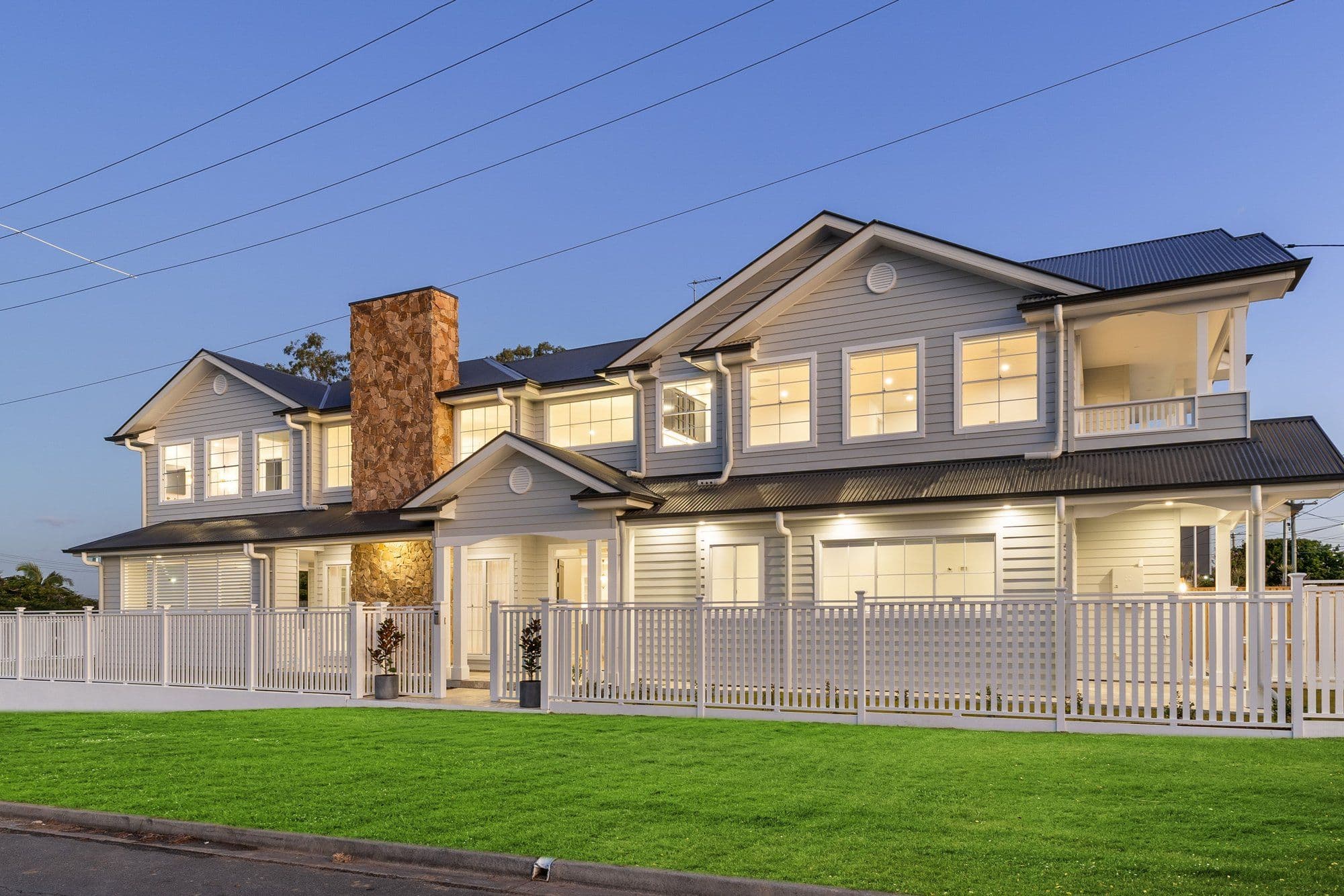
On this page
With two street frontages, increased exposure, and strict local council requirements, the way a home is designed on a corner block matters immensely. While standard off-the-plan designs are highly efficient for flat, traditional blocks, they can sometimes limit the potential of a dual-frontage site. A custom approach turns these complex site characteristics into opportunities.
When handled correctly, premium corner block house designs offer superior natural light, better cross-ventilation, and a striking street presence. Getting the most out of a corner block starts with choosing an architectural approach built for two faces, not one. Here's what actually works.
Why Does a Corner Block Open Up More Design Potential?
Corner blocks are inherently more complex due to traffic exposure, secondary street setbacks, and higher design expectations from local councils. But they also offer flexibility a flat, mid-block site simply can't match.
A custom design allows you to position garages and driveways on the secondary street, freeing up the primary frontage for expansive living spaces, grand entryways, and premium landscaping. Because standard floor plans are designed for uniformity, adapting them to a dual-frontage site can be challenging, which is exactly where a design built specifically for the block starts to pay off. For the full regulatory and practical checklist behind these decisions, our companion guide to corner block house designs: what you need to know covers setbacks, easements, and site prep in depth.
How Do You Avoid the "Blank Wall" Mistake?
The biggest mistake in corner block house designs is neglecting the secondary street frontage. Your home doesn't need two front doors, but both sides should feel like part of one cohesive, thoughtfully designed structure, not a front facade and an afterthought.
This is where architectural style does the real work. The styles below aren't just aesthetic choices, each one solves the dual-frontage problem in its own way.
Which Styles Work Best on a Brisbane Corner Block?
| Style | How it solves the dual frontage | Best suited to |
|---|---|---|
| Modern Hamptons | Wrap-around verandahs and multiple gables physically connect both facades | Wider corner blocks, family homes wanting a grand street presence |
| Dynamic Contemporary | Skillion roofs and mixed materials treat the corner as a deliberate architectural feature | Narrower or tighter corner lots, bolder streetscapes |
| Coastal Queenslander | Deep eaves and elevated verandahs wrap the corner while referencing traditional character | Character-adjacent streets, established leafy suburbs |
The Modern Hamptons Approach
This style uses deep, wrap-around verandahs, multiple gables, and varied roof pitches to ensure the home looks impressive from every angle. A verandah that physically turns the corner is doing double duty, it's a design feature and the exact fix for the blank wall problem in one move.
Dynamic Contemporary Style
For a bolder statement, contemporary designs use sharp skillion roofs, expansive fixed-glass walls, and contrasting materials to treat the dual frontage as a stage for architectural expression. Rather than disguising the second facade, this approach makes a feature of it, dynamic rooflines oriented toward each street add energy and movement to the whole streetscape presence.
Coastal Queenslander
A softer option for corner blocks in character-adjacent streets: elevated verandahs, timber battens, and deep shading wrap naturally around both frontages while still referencing the traditional Queenslander form many Brisbane streetscapes are built around.
Frequently Asked Questions
What's the best style for a corner block? There's no single answer, it depends on the block and the street. Modern Hamptons suits wider blocks wanting a grand, symmetrical presence, Dynamic Contemporary suits narrower or tighter lots wanting a bold statement, and a Coastal Queenslander approach suits streets with existing character homes nearby.
Do both street frontages need to look identical? No, and they shouldn't. The goal is a cohesive design that reads as intentional from both streets, not a mirrored facade. A wrap-around verandah or consistent material palette ties the two sides together without requiring symmetry.
Can I still get privacy with a design that activates both frontages? Yes. Activating the secondary facade with windows and architectural detail doesn't mean sacrificing privacy, it's usually solved through window placement (higher-level or frosted glazing in private rooms) and layout, positioning bedrooms and living areas away from the busiest sightlines while still giving the exterior genuine street presence.
Start Your Corner Block Build With the Right Advice
With a design direction in mind, the next step is understanding exactly what your specific block allows, setbacks, easements, and site conditions all shape what's actually buildable. Book your free site feasibility check with Flascon Construction Group today. We'll evaluate your block, discuss your lifestyle needs, and help you design a home that maximises your land's true potential.
Keep reading
More Brisbane building guides
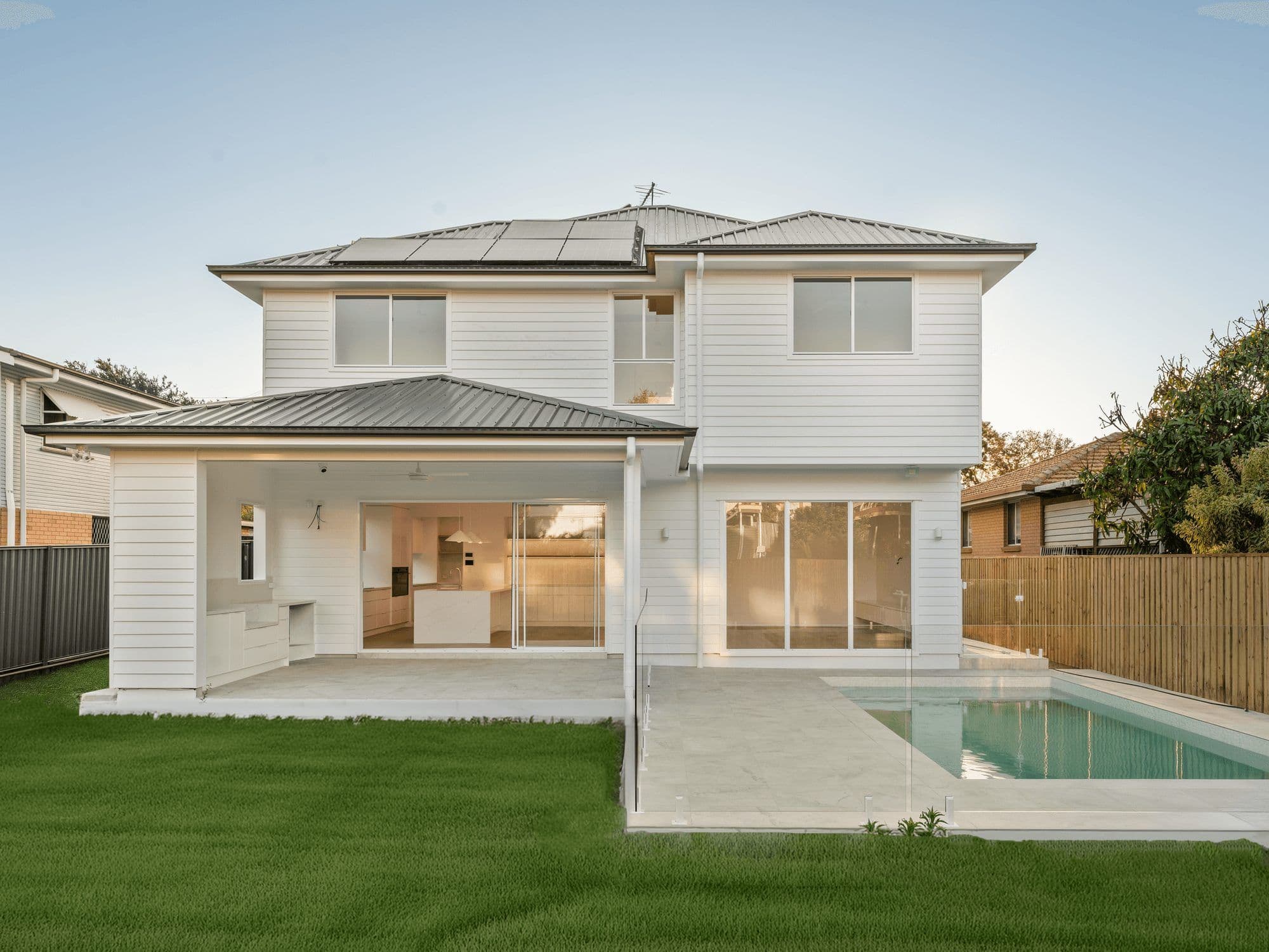
Custom Home Design4 min read
Alfresco Ideas for a Brisbane Home
Alfresco ideas that actually hold up in Brisbane's climate: what has to be right structurally, from a builder.
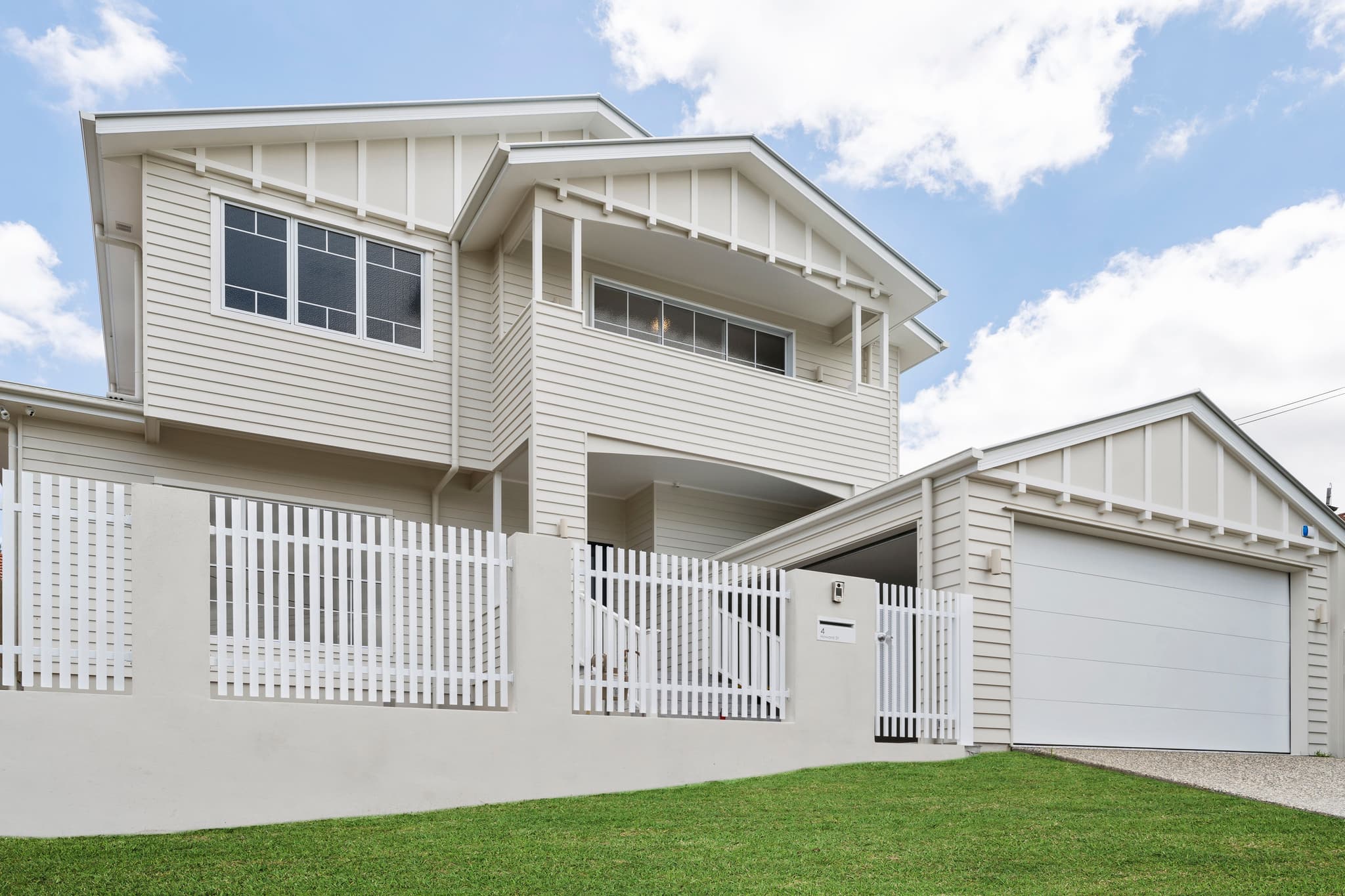
Custom Home Design6 min read
Battle-Axe Block House Designs: A Brisbane Builder's Guide
Thinking about a battle-axe block in Brisbane? What the term actually means, the real Brisbane rules for rear lots, and how to design a home that works.
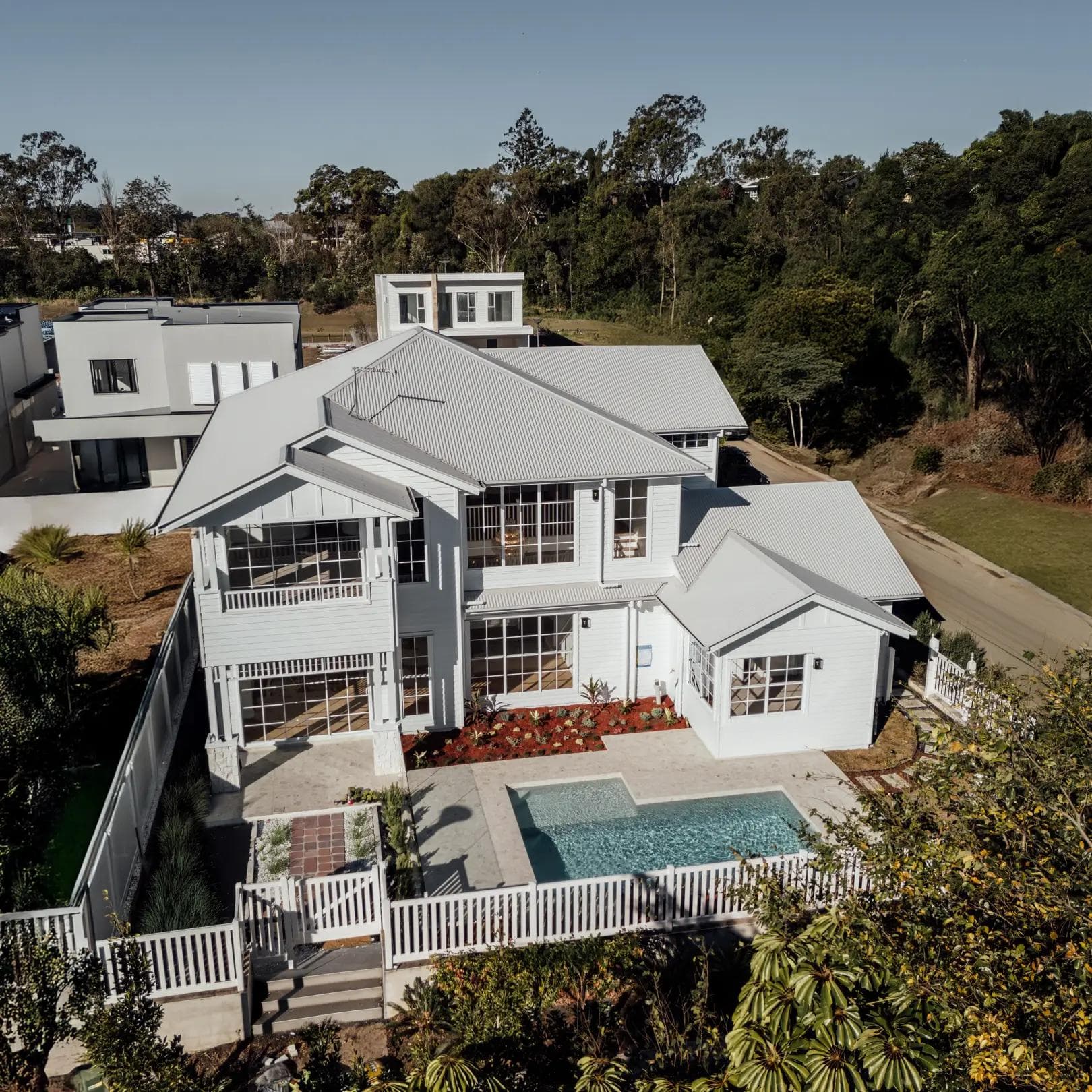
Custom Home Design6 min read
Renovate or Rebuild? How to Decide for Your Brisbane Home
Torn between renovating and rebuilding? See how your home's condition, orientation, and council overlays should actually decide it.