
Building a Custom Home on Brisbane's Southside: What Your Block Will Tell You
Published 6 min read
On this page
When planning a new custom home on Brisbane's southside, the block you are building on will shape the project long before the floor plan does. The suburbs south of the river carry a particular history, and it is written into the ground: the slope of the streets, the age of the houses, the paths the water takes in a storm, and how much room a delivery truck has to turn. A builder who works these suburbs week in and week out learns to read all of that from an address. This guide explains what your southside block is likely to tell you, and why it matters before you commit to a design.
Understanding Brisbane's Southside
There is no official boundary, but in practice the southside runs from Woolloongabba, Greenslopes and Coorparoo through Camp Hill, Holland Park and Tarragindi to Mt Gravatt, Mansfield, Rochedale and Carindale, with the Redlands beyond. Our office sits on Logan Road in Greenslopes, and most of our completed homes are within a short drive of it.
The inner suburbs were subdivided early, many of them between the wars, and were built out with the timber-and-tin homes that give streets like those in Camp Hill and Coorparoo their character. The outer suburbs came later, on larger and generally flatter allotments, with the wider streets and more forgiving sites that go with them. That difference in age is the single most useful thing to know about a southside block, because almost everything else follows from it.
Character Overlays and Pre-1947 Homes
A large share of the inner southside sits within Brisbane City Council's traditional building character overlay. If the house on your block was built before 1947 and the overlay applies, it generally cannot be demolished without a planning application, and that application is assessed on whether the street would lose its traditional character.
This is the first question to answer on any inner southside knockdown rebuild, because it decides whether the project can happen at all in its intended form. Council dates houses using its 1946 aerial photography, and its rules for demolition are set out on the demolishing, removal and relocating page. We walk through the whole sequence in our guide to the knockdown rebuild process in Brisbane.
Building on the Southside's Slopes
Holland Park, Tarragindi, Mt Gravatt and Mansfield sit on ridgelines, and their side streets fall away quickly. A block that looks gently sloping from the footpath can drop several metres across its depth. That fall changes the engineering of the slab, adds retaining walls, and often makes a split-level or elevated home a better fit than a flat single storey that would need a large cut to sit on.
None of this is a reason to avoid a sloping block. Handled well, the slope is what gives southside homes their views, their breezes and their under-house space. It simply has to be understood and priced before the design is locked in. Our sloping block specialists page explains how that is approached, and our guide to sloping block home designs covers the design options that suit a fall.
Overland Flow and Creek Catchments
Much of the inner southside drains toward Norman Creek and Bulimba Creek, and the lower streets in those catchments can carry overland flow or sit within a flood overlay. This does not stop a build, but it sets a minimum floor level and can shift where the home sits on the block. Council's flood mapping tells you whether your property is affected, and our guide to building a flood resilient home in Brisbane covers how a design responds to it.
Access on Inner-Suburban Streets
The narrow, tree-lined and tightly parked streets that make the inner southside pleasant to live in also make it harder to build in. Street width decides the size of truck that can deliver a frame, where a crane can set up, and whether a concrete pump can reach the rear of the block. On a difficult street, materials may need to be delivered in smaller loads and the concrete pour planned around a boom that has to reach further than usual.
Access is something a builder assesses at feasibility rather than discovering on the first delivery day, because it affects both cost and programme. Our guide to building on a difficult site in Brisbane explains which of these constraints applies to your block.
Inner Southside or Outer Southside?
Broadly, southside blocks fall into two groups:
- Inner southside (Greenslopes, Coorparoo, Camp Hill, Holland Park, Tarragindi, Annerley): older subdivisions, often sloping, frequently with a pre-1947 house on site and narrow street access. Expect the character overlay check to come first, retaining and a split-level design to be likely, and site logistics to need planning.
- Outer southside (Mt Gravatt, Mackenzie, Rochedale, Eight Mile Plains, Carindale): larger blocks, later subdivisions, more level ground and wider streets. Expect fewer overlay constraints, easier access and more room for a single-level or wide plan.
Neither is better. The inner suburbs trade a harder build for location and character. The outer suburbs trade distance for a more forgiving block and, often, more room to spread the plan out.
Where Flascon Builds on the Southside
Our completed homes include projects in Camp Hill, Greenslopes, Coorparoo, Carina, Norman Park, Holland Park, Mt Gravatt, Mt Gravatt East, Seven Hills and Rochedale. Building the same kinds of blocks repeatedly is how a builder gets good at them, and that concentration is deliberate. You can see the homes by suburb on our projects page, and our Mt Gravatt suburb guide looks more closely at one of them.

Frequently Asked Questions
Which suburbs count as Brisbane's southside? There is no fixed definition. Most people mean the suburbs south of the river and east of the Ipswich corridor: from Woolloongabba, Greenslopes and Coorparoo through Holland Park, Tarragindi and Mt Gravatt to Mansfield, Rochedale, Carindale and Eight Mile Plains, with the Redlands to the east.
Is it harder to build on the inner southside than further out? Inner southside blocks are more likely to slope, sit in the character overlay, carry an easement or overland flow, and have narrow street access. None of that prevents a build, but each adds a step to feasibility and something to the site works, which is why the block is assessed before the design.
Can I knock down and rebuild in Camp Hill or Holland Park? Often, but it depends on the house. If it was built before 1947 and sits in the traditional building character overlay, demolition needs a planning application and may not be approved. If it was built after 1946, demolition is usually accepted development. Council's 1946 aerial photography is used to date the house.
Do Flascon build outside the southside? Yes. Flascon builds across Brisbane and South East Queensland, including the inner north-west and the bayside. The southside is where most of our completed work is, which is why its blocks are so familiar.
If your block is on the southside and you would like to know what it will support before you commit to drawings, a free feasibility check is the simplest place to start. With over 30 years of combined experience bringing custom homes to life across Brisbane, the team at Flascon Construction Group, custom home builders in Brisbane, is here to guide you.
Keep reading
More Brisbane building guides
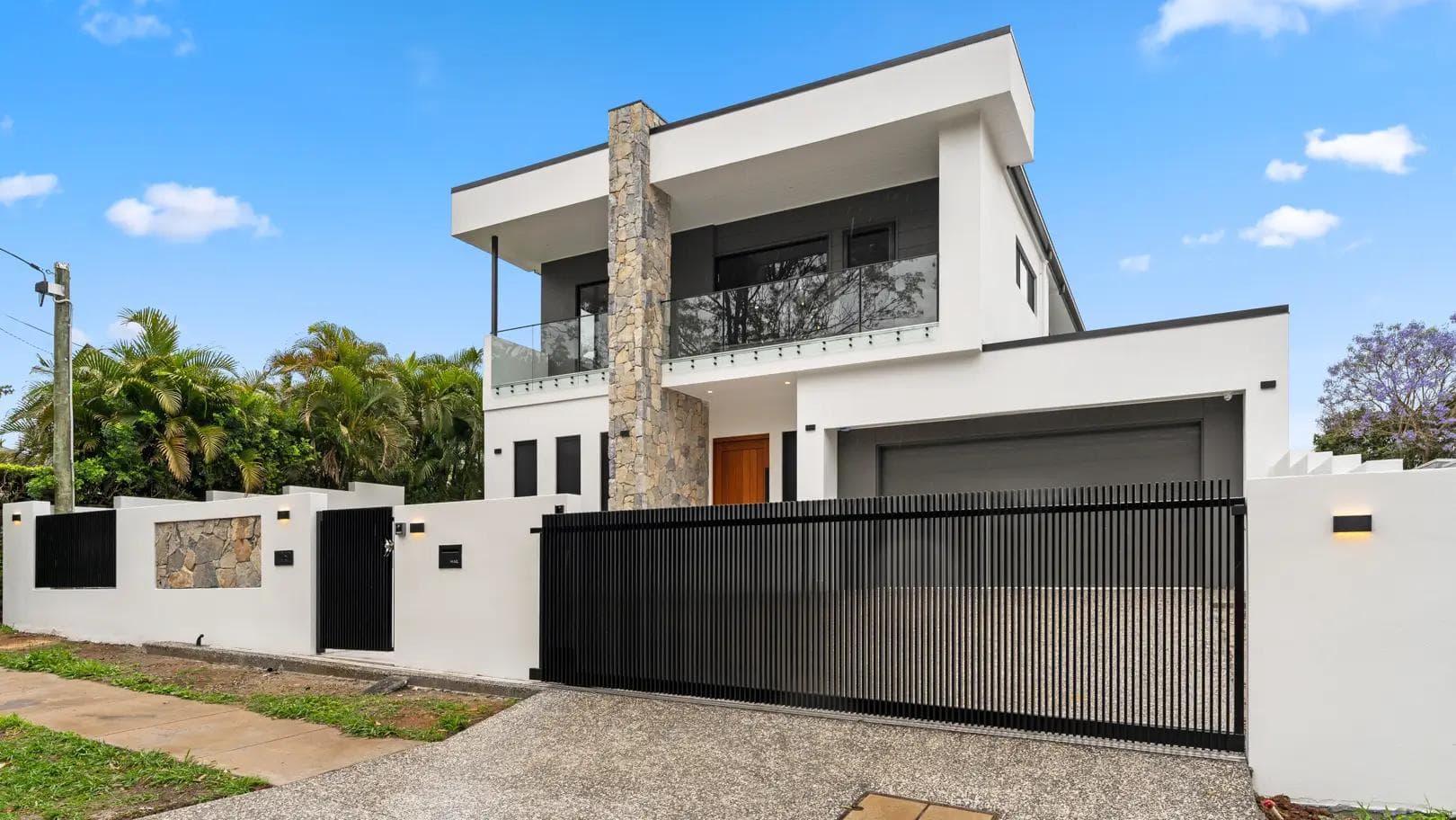
Suburb Spotlights5 min read
Builders Mt Gravatt: A Brisbane Suburb Guide
Looking for quality builders in Mt Gravatt? Learn about local block types, zoning changes, and building a luxury custom home in this Brisbane suburb.
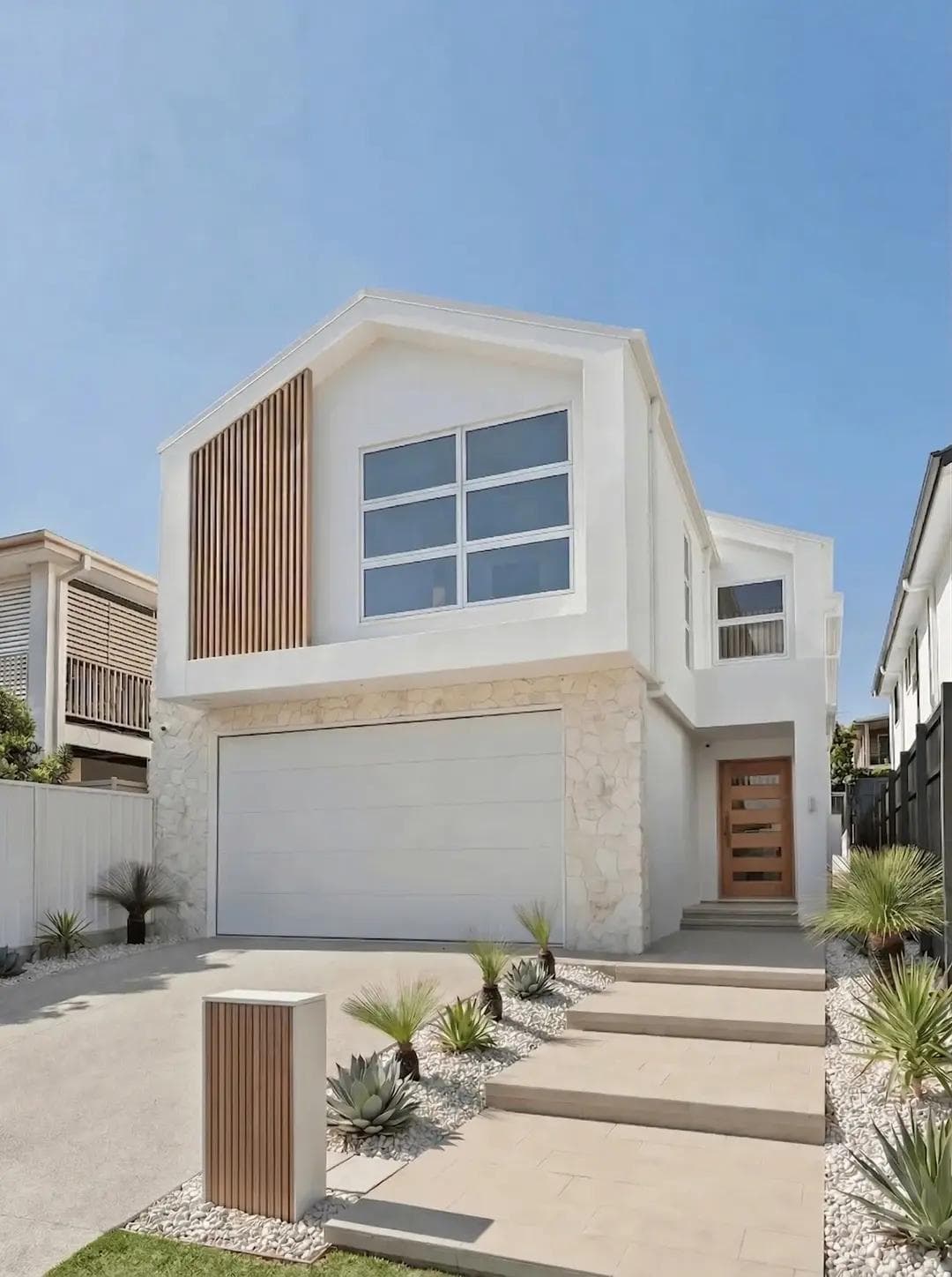
Building Guides7 min read
The Knockdown Rebuild Process in Brisbane: A Step-by-Step Guide
How a knockdown rebuild works in Brisbane, step by step: feasibility, demolition approval, asbestos, services, soil testing, building approval and construction.
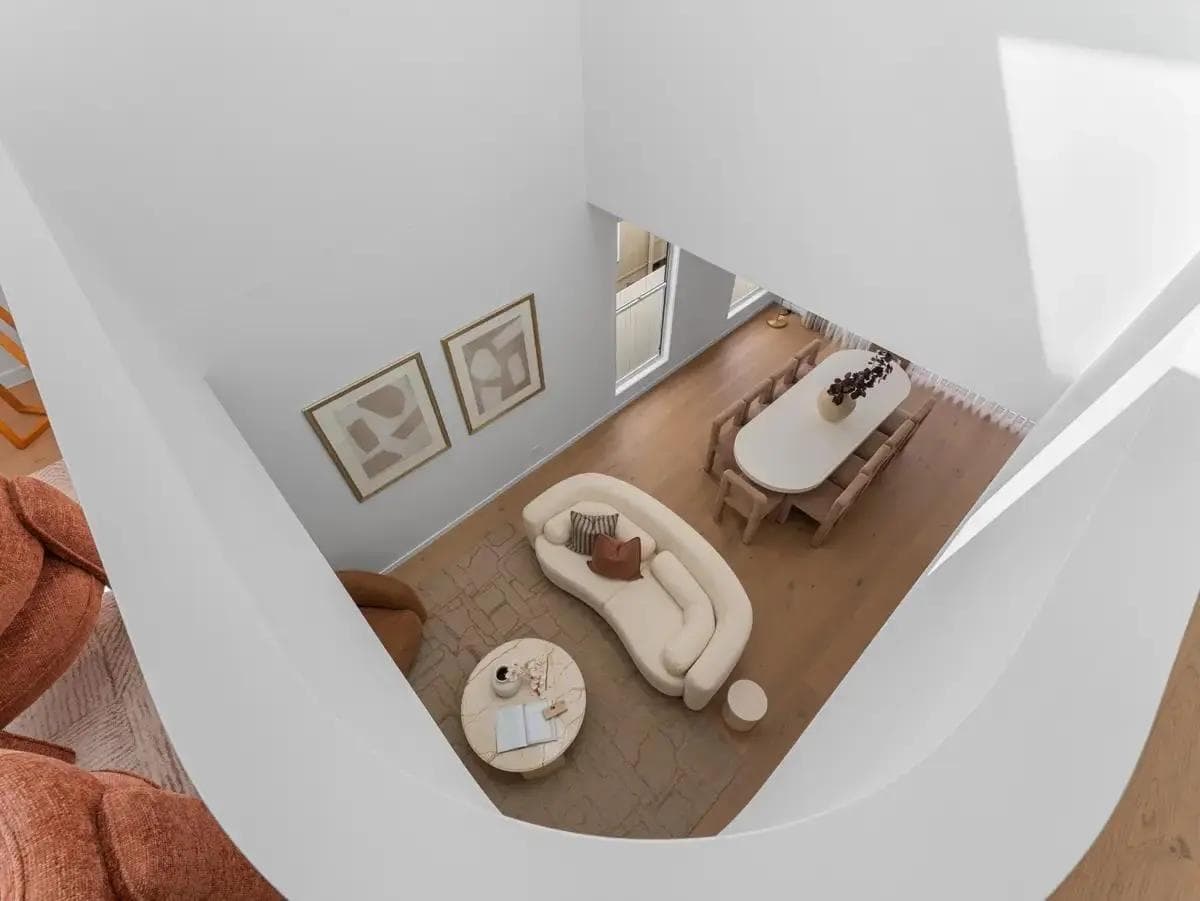
Construction4 min read
Luxury Home Builders in Brisbane: What a Luxury Build Involves
Flascon Construction Group, luxury home builders in Brisbane with custom homes on the city's harder blocks, from Holland Park to Rochedale.