
Find the Best Contemporary House Designs
Published Updated 7 min read
On this page
You already have the mental picture: a light-filled home, clean lines, a kitchen that opens straight onto an outdoor living area, and rooms that feel calm instead of cramped. Then reality sets in. Your block slopes more than you’d like, site access is tight, council rules are strict, and most online plans seem drawn for a flat lot rather than a Brisbane street.
That is where most projects drift off course. The style itself isn’t the hard part. The hard part is making contemporary house designs work properly on a Southeast Queensland site, factoring in our heat, storms, narrow blocks, and budget realities from day one.
Your Guide to Contemporary Home Building in Brisbane
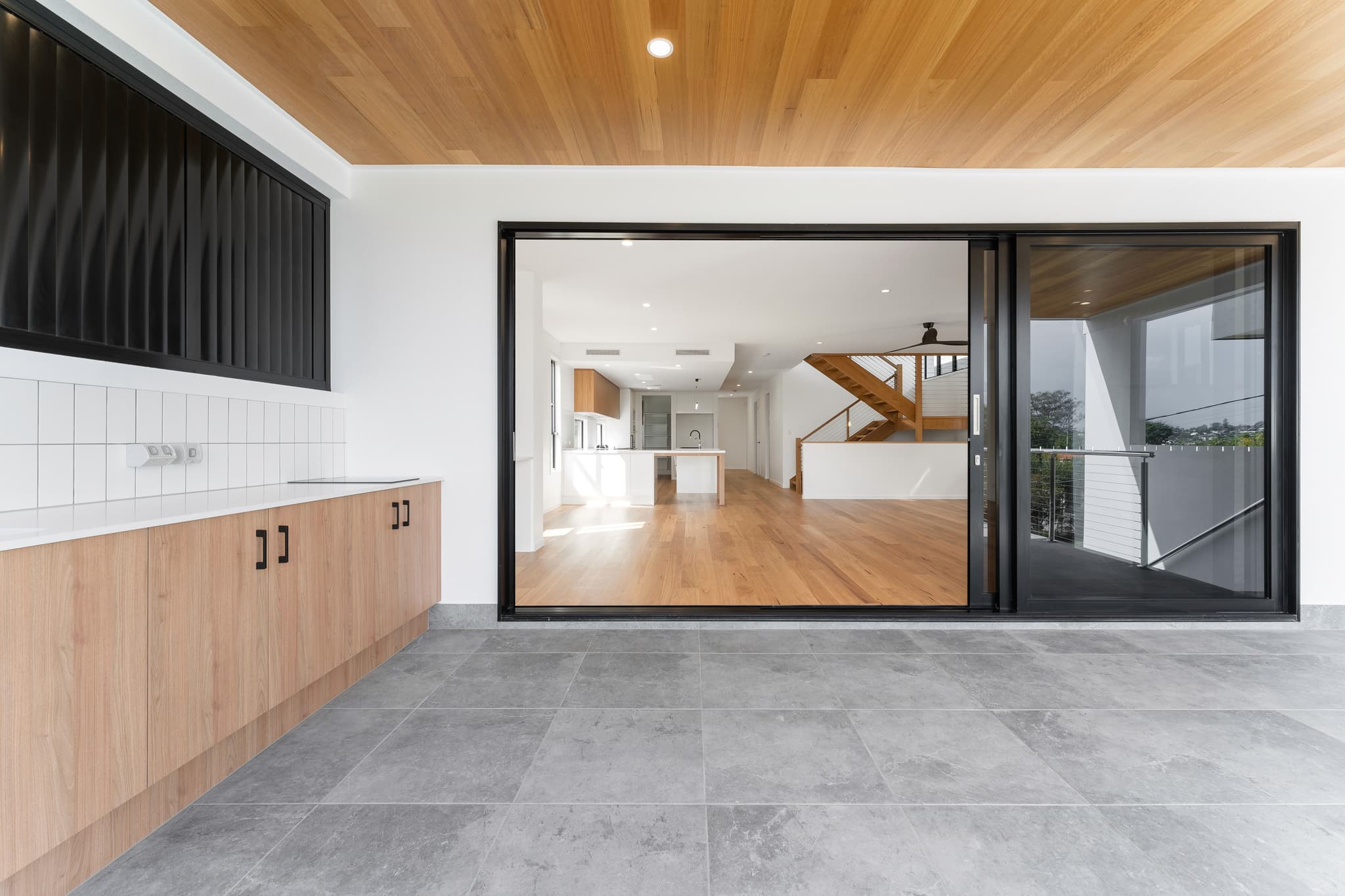
Contemporary homes suit Brisbane because the style naturally leans toward light, airflow, simple forms, and indoor-outdoor living. These are practical responses to the way people live in Southeast Queensland. Clients usually come in asking for a “modern” home, but what they often want is something more practical than stylistic. They want:
- Better daily flow between kitchen, dining, living, and outdoor areas.
- More natural light without making the house feel exposed to neighbours.
- Cleaner facades that suit new builds and knockdown-rebuilds.
- Flexible rooms that handle work, family life, and entertaining.
- Less wasted space in hallways and awkward corners.
Contemporary design works well in Brisbane because it is adaptable to a compact inner-suburban lot, a split-level hillside block, or a duplex site. However, a common mistake is choosing a plan just because the front elevation looks sharp, then trying to force it onto a block it was never designed for. That results in overheated glazing, expensive retaining walls, and dark internal corridors.
A good contemporary home starts with the site, the sun, and the breeze.
Defining Contemporary House Design Principles
Contemporary design means current. It borrows what still works, drops what doesn’t, and adapts to local conditions. A well-resolved contemporary home looks simple from the outside, but that simplicity requires careful planning behind the scenes. Circulation is intuitive, storage is integrated, and light is deliberate.
A genuine contemporary house usually includes:
- Clean lines rather than decorative trim and visual clutter.
- Simple geometric forms that give the home a strong overall shape.
- Open internal planning with fewer hard separations between living zones.
- Large glazing areas placed strategically for light, outlook, and connection.
- Controlled material palettes such as timber, concrete, steel, render, or stone.
Core Design Principles
Contemporary house designs look best when a few core principles stay in balance:
- Function Comes First: If a home has a beautiful facade but the pantry is undersized and the laundry is awkward, the design hasn’t done its job. Planning should support how people live, prioritising kitchen sightlines, practical storage, and direct links to outdoor spaces.
- Disciplined Simplicity: Minimalism only works when the proportions are right. A plain wall with poor window placement. The simplest-looking homes are often the least forgiving to build because every junction is highly visible.
- Controlled Light: Oversized glazing without orientation control creates privacy issues, glare, and heat gain. In Brisbane, the goal is useful light in the right places, combined with effective shading and cross-ventilation.
How to recognise a genuine contemporary design
| Design element | What it should do |
|---|---|
| Open living core | Create easy movement between kitchen, dining, and lounge |
| Window placement | Frame views, improve daylight, and support cross-ventilation |
| Roof form | Reinforce the home's structure and suit the site conditions |
| Material selection | Keep the palette restrained, durable and intentional |
| Outdoor connection | Extend living areas rather than bolt on a patio as an afterthought |
Exploring Popular Contemporary Floor Plans
The right floor plan depends on the shape of the land, household routines, and privacy requirements. If you want to understand how a design functions in real life, reading a buyer’s guide to floor plans and layout flow will help you view a plan as a map of movement rather than just a list of rooms. This mindset makes it much easier to compare options before you commit.
Contemporary floor plan suitability
| Floor Plan Type | Best For Lot Type | Key Advantage | Primary Consideration |
|---|---|---|---|
| Open-concept | Standard suburban lots | Strong social connection and flexible living | Noise and visual clutter need management |
| Split-level | Sloping sites | Works with the land instead of fighting it | Stair placement needs careful planning |
| Courtyard | Private or enclosed sites | Brings light and outdoor living into the centre | Requires disciplined orientation planning |
| Narrow lot | Inner-suburban/infill blocks | Maximises width perception and natural light | Storage and privacy need extra attention |
Open-concept plans
This remains the most requested arrangement. Kitchen, living, dining, and alfresco zones work as one connected area to improve supervision and daily flow. The best versions create subtle zoning through ceiling changes, joinery, or flooring transitions. For a deeper look at how this works in practice, this practical guide to modern open-plan home design in Brisbane is a useful resource.
Split-level plans
Instead of excessive cut and fill, a split-level layout steps with sloping land. This uses level changes to separate living and sleeping spaces, creating height variation and better site integration without forcing a generic two-storey build.
Courtyard plans
Highly effective when privacy is tight or neighbouring homes sit close to the boundary. The home turns inward, borrowing light and outlook from a protected outdoor void.
Narrow lot plans
The strongest narrow lot homes pull light from multiple directions, use built-in storage efficiently, and create longer sightlines to make the home feel broader than the title dimensions suggest.
Working With the Land
- Sloping Sites: Stepping the home with the block reduces excessive excavation and structural overreach. Retaining walls should be used selectively, and garages/entries should be placed to mediate level changes naturally. Forcing a single concrete slab on a steep site is a fast track to budget blowouts.
- Narrow Lots: Spaciousness on a restricted block comes from light, height, and sightlines rather than raw floor area. Key rooms should borrow light from upper voids or internal courtyards rather than relying entirely on boundary-facing windows that compromise privacy.
- Subtropical Climate: Contemporary design in Brisbane requires a strict climate response. This means planning for cross-ventilation, shading west-facing sections of the home to control sun exposure, and ensuring external details can withstand high humidity and severe storms.
- Local Regulations: Height controls, setbacks, overland flow paths, and bushfire interfaces heavily influence the final design. Testing these constraints early prevents costly redesigns later.
Materials, Sustainability and Budgeting Your Build
Most contemporary homes rely on a restrained material palette. Concrete, steel, glass, timber, render, and stone can work beautifully together, but each choice impacts cost, maintenance, and thermal performance.
- Glass: Large glazing improves daylight outlook but requires discipline. Poor orientation increases heat load and shading requirements.
- Concrete and Masonry: Excellent for lower levels and retaining interfaces on sloping blocks. They provide a clean, grounded design but add cost if used structurally without a clear reason.
- Timber: Softens contemporary designs and prevents minimalism from feeling cold. In Queensland, species selection and maintenance expectations must be realistic.
- Steel: Solves structural spans neatly and supports sharp design lines. It is most valuable where it enables site responsiveness.
A sustainable home is dictated by how orientation, glazing, shading, insulation, and materials work together. For an overview, this guide to solar passive home designs and lower running costs is a useful reference point.
Where the budget really moves
Major cost drivers include:
- Site conditions: Slope, access, retaining needs, and drainage.
- Structural ambition: Long spans, upper-level voids, large cantilevers, or heavy glazing.
- Facade complexity: Minimalist designs can be expensive if every junction requires custom detailing.
- Joinery and wet areas: Often drive more cost than initially expected.
- External works: Driveways, landscaping, pools, and boundary treatments.
Partnering with a Builder to Realise Your Vision
The moment a striking contemporary concept meets practical site constraints, the builder relationship becomes critical. In Brisbane and Southeast Queensland, early builder input is essential on sloping sites, narrow infill lots, and knockdown-rebuilds. A builder will explain trade-offs clearly, discussing:
- How the floor plan sits on the land.
- Which design features justify their cost and which add unnecessary structural complexity.
- How materials will handle Brisbane heat, humidity, and strong sun.
- What needs resolving before drawings go to engineering or formal pricing.
Flascon Construction Group offers custom design-and-construct services as well as construction from existing plans, including knockdown-rebuilds and builds on sloping, narrow, or restricted lots.
The Details Matter
Approval does not settle everything. Interior finishes, ceiling heights, window sizing, and external thresholds require review during the build because small decisions impact the finished feel of the house. Flooring, for example, affects acoustics, durability, and indoor air quality. If you are weighing up finish options, this guide to healthier home flooring is a useful resource for comparing materials beyond appearance.
Builder selection deserves the same scrutiny as the design itself. This guide on how to choose a custom home builder in Brisbane gives a practical framework for assessing communication, transparency, and fit for your project.
A contemporary home should feel resolved, comfortable, and easy to live in. That result comes from a team that reads the block well, respects the budget, and builds the details with discipline. If you have a block in Southeast Queensland and want to understand what is realistically possible, contact Flascon Construction Group for a free site feasibility assessment.
Keep reading
More Brisbane building guides
Custom Home Design4 min read
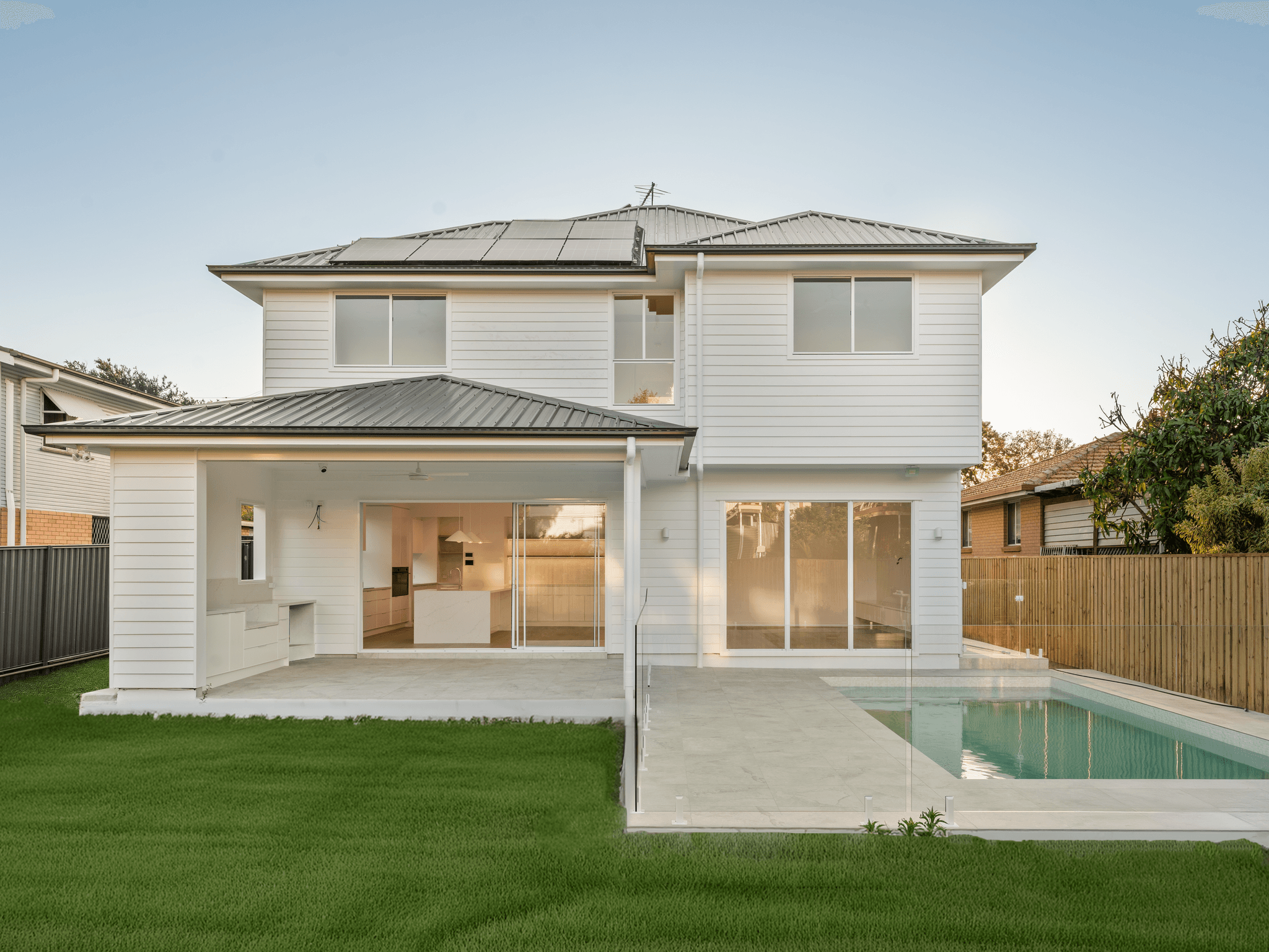
Alfresco Ideas for a Brisbane Home
Alfresco ideas that actually hold up in Brisbane's climate: what has to be right structurally, from a builder.
Custom Home Design6 min read
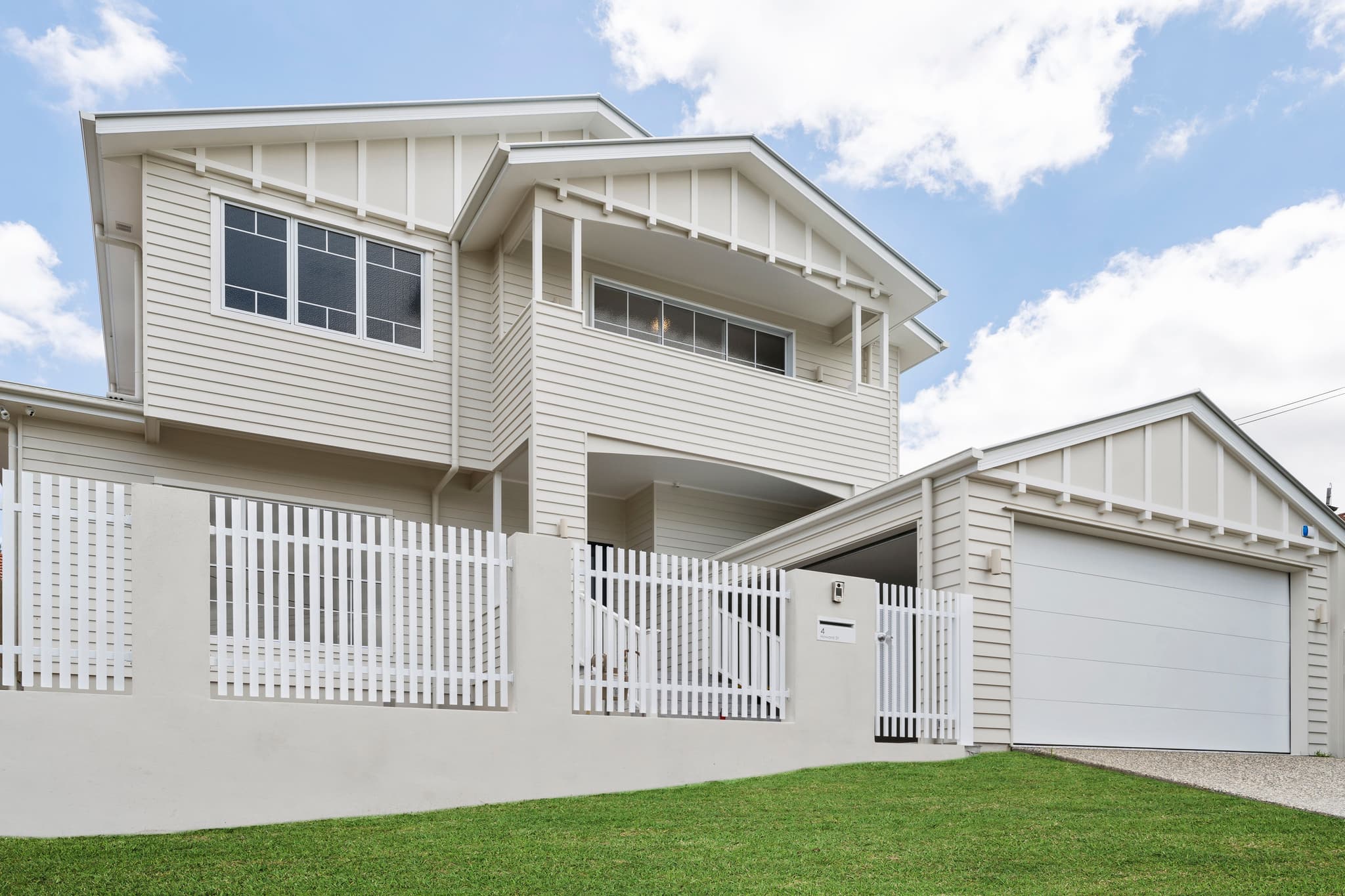
Battle-Axe Block House Designs: A Brisbane Builder's Guide
Thinking about a battle-axe block in Brisbane? What the term actually means, the real Brisbane rules for rear lots, and how to design a home that works.
Custom Home Design6 min read
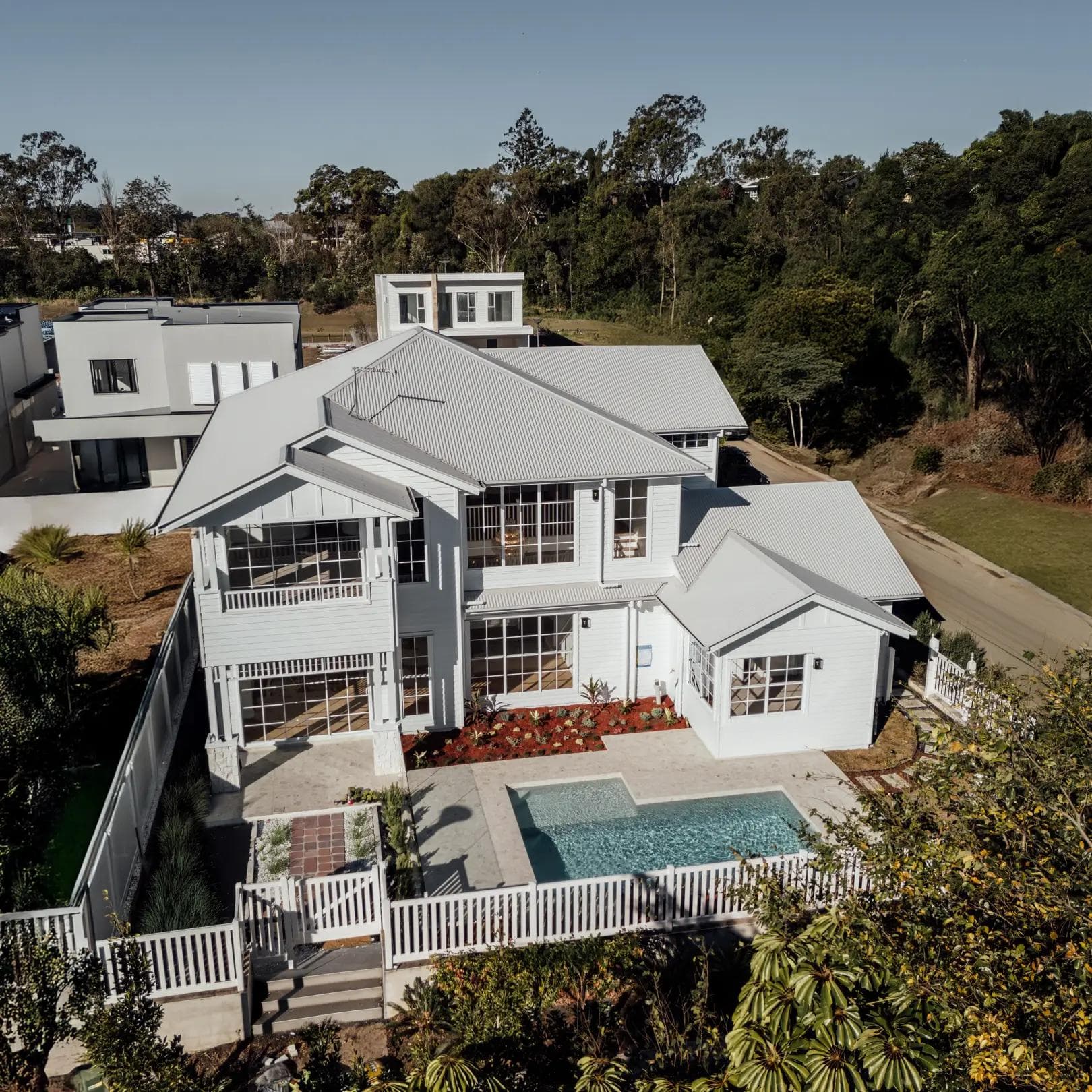
Renovate or Rebuild? How to Decide for Your Brisbane Home
Torn between renovating and rebuilding? See how your home's condition, orientation, and council overlays should actually decide it.