
Custom Home Design Brisbane: A Builder's Guide
Published Updated 4 min read
On this page
Designing a custom home in Brisbane isn't just about picking a facade style from a brochure. It requires a structural response to our subtropical climate, diverse suburban topography, and strict local council regulations.
The goal of any successful home design Brisbane project is to create a property that is visually striking while remaining perfectly in tune with the local environment. As custom builders, we know that a successful build starts with making smart structural decisions from day one. Whether you are planning a knockdown rebuild or imagining a brand-new contemporary build this guide outlines the practical realities of building in Southeast Queensland.
The Custom Builder's Perspective: A high-performing Brisbane home feels like a natural extension of the landscape. It prioritises cross-ventilation, manages harsh summer heat, and adapts to the block, rather than forcing a flat-land design onto a challenging site.
Exploring Brisbane's Building Identity
Brisbane’s character is defined by a unique mix of heritage charm and forward-thinking modern design. Understanding these dominant structural styles is the first practical step in establishing the vision for your project.
The Enduring Queenslander
A great Queenslander renovation respects the home's original structure while bringing its functionality up to modern standards.
- Opening Up the Rear: Removing small, dark rear rooms to create an open-plan living area that flows onto a large deck via commercial grade stacking doors.
- Lifting and Building Underneath: Raising the house to enclose the lower level, doubling the living space to include rumpus rooms or guest suites while preserving the traditional upper floor.
Modern and Contemporary Design
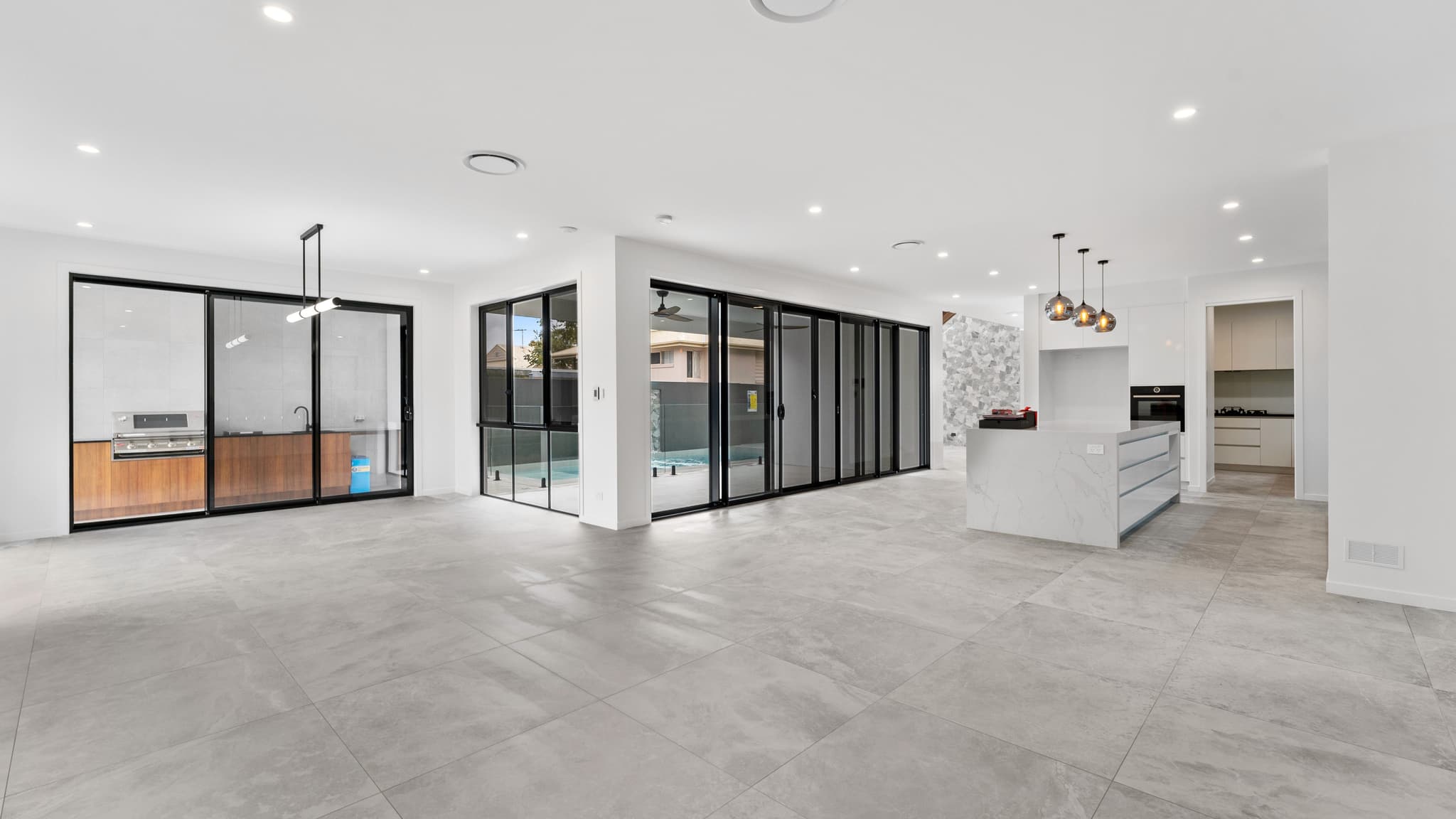
Modern custom home design Brisbane is defined by clean lines, minimalist forms, and robust material palettes like off-form concrete, structural steel, and native timber.
Contemporary builds often feature flat or skillion rooflines and expansive glazing. It is a highly adaptable structural aesthetic, making it the go-to choice for challenging sites where smart, site-specific engineering is non-negotiable.
Mastering Passive Design for the Subtropical Climate
A high-performing Brisbane home works in harmony with the climate. This approach, known as passive design, relies on clever structural choices to keep your home comfortable year-round, naturally reducing your reliance on artificial cooling.
Harnessing Natural Airflow
The secret to comfort in the subtropics is cross-ventilation. Creating clear pathways for breezes prevents stagnant, humid air from accumulating inside the home.
- Strategic Window Placement: Placing louvre windows on the north-east to catch morning breezes, with opposing openings on the south-west to let hot air escape.
- Thermal Chimneys: Designing a central stairwell with an operable skylight or high louvres creates a "stack effect," naturally drawing hot air up and out of the floor plan.
Managing the Sun and Heat
Effective shading is a structural requirement in Queensland. The goal is to block the high-angle summer sun while welcoming the low-angle winter sun.
- Deep Eaves: A great builder's rule of thumb for north-facing eaves in Brisbane is that their depth should be roughly 45% of the height from the window sill to the bottom of the eave.
- External Shading: Retractable awnings or external screens stop heat before it hits the glass, which is far more effective than internal curtains.
Tackling Brisbane’s Unique Building Constraints
Finding a perfectly flat, rectangular block in Brisbane is rare. Many properties present specific earthworks challenges, but with custom design, these constraints often produce the most interesting features.
- Designing for Sloping Blocks: Building on a slope brings incredible advantages if engineered correctly. A common mistake is the aggressive 'cut and fill' approach, which results in expensive retaining walls. A far more elegant strategy is a split-level design that steps down the hill, drastically reducing excavation costs while capturing unobstructed views.
- Making the Most of Narrow Lots: For inner-city narrow lots, the solution is to think vertically. Integrating minimum 2.7m ceilings instantly creates volume. By placing service areas along one solid boundary wall, you free up the opposite side for windows, maximising natural light and preventing a dark, corridor effect.
- Navigating Heritage Areas: Building or extending in a protected Brisbane City Council character area requires a design that respects the existing streetscape. To gain council approval, the facade must align with local guidelines, which often dictate strict roof pitches, maximum heights, and the use of traditional cladding materials.
Preparing for Your Custom Build
Underestimating the pre-construction phase is a common pitfall. The design, engineering, and council approval process can take several months before site works begin. Before engaging a professional, establish a clear project brief. Document your non-negotiables versus your 'nice-to-haves'.
To understand how an all-in-one team navigates these complexities, it is worth exploring the details of a true custom home design and build process. Seeing how an integrated approach takes you from the first soil test to final handover gives you a much clearer picture of the road ahead.
Your Brisbane Home Design Questions, Answered
How long does the design and approval process take in Brisbane?
You should realistically plan for the pre-construction phase to take between six to nine months. This is influenced by the engineering complexity of the site and whether your property requires a full Development Application (DA) through the Brisbane City Council.
When Should I Speak to a Builder?
We highly recommend speaking to a custom builder as early in the process as possible, even before your plans are finalised. A builder provides crucial reality checks regarding construction methodologies, ensuring your concepts can actually be built effectively on your specific block.
Is It Possible to Renovate a Home in a Character Overlay?
Absolutely. It is highly common in Brisbane, but it requires a design sensitive to the existing streetscape. You must adhere to strict council guidelines regarding roof pitch, scale, and traditional materials to secure a smooth approval.
Ready to discuss your block?
The team at Flascon Construction Group has the local expertise to guide you through every stage of your custom build. Get in touch for a free property assessment and to discuss the structural potential of your project.
Keep reading
More Brisbane building guides
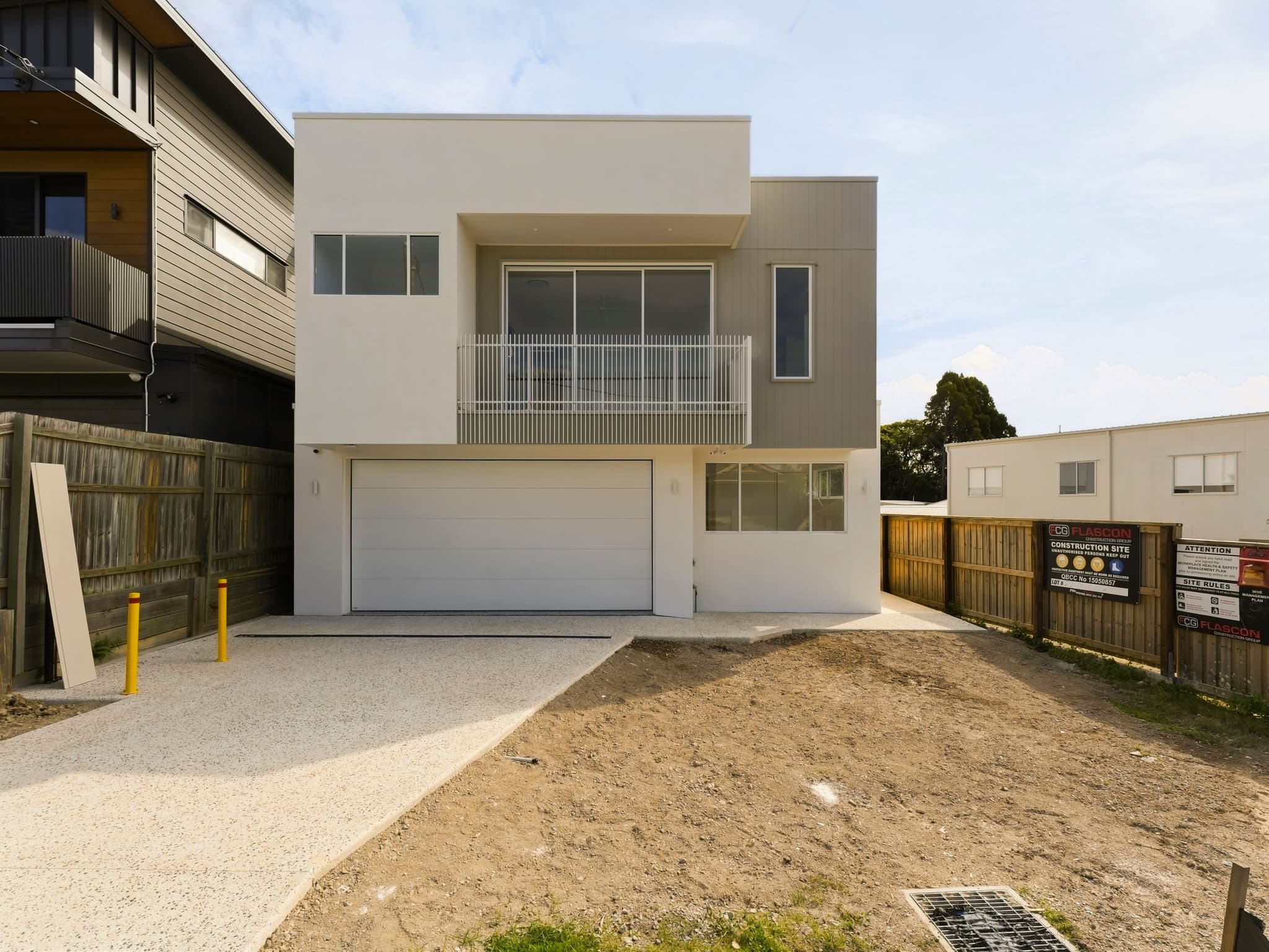
Building Guides6 min read
What a Soil Test Tells Your Builder Before You Build in Brisbane
What a soil test involves, what the AS 2870 site classification means, and why Brisbane's clay, rock and fill make it worth doing early.
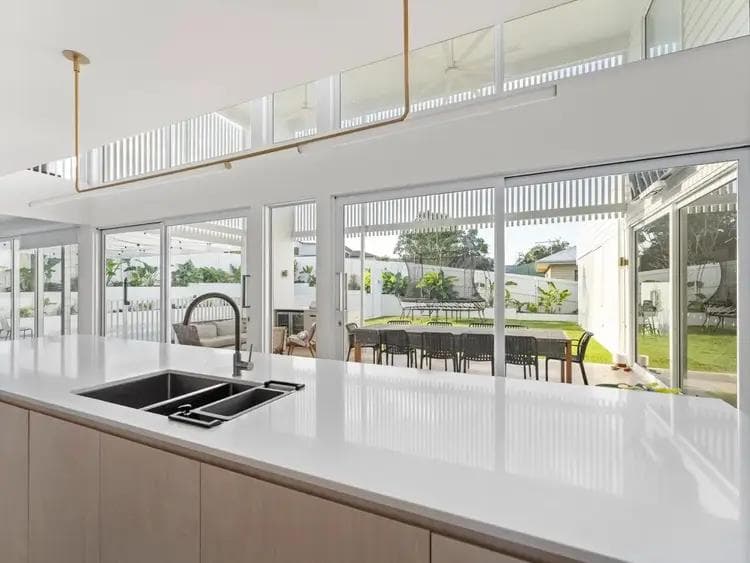
Building Guides6 min read
Your Pre-Handover Inspection Checklist for a New Home in Queensland
What to check at the pre-handover inspection of a new home in Queensland, what your builder hands you at practical completion, and what counts as a defect.
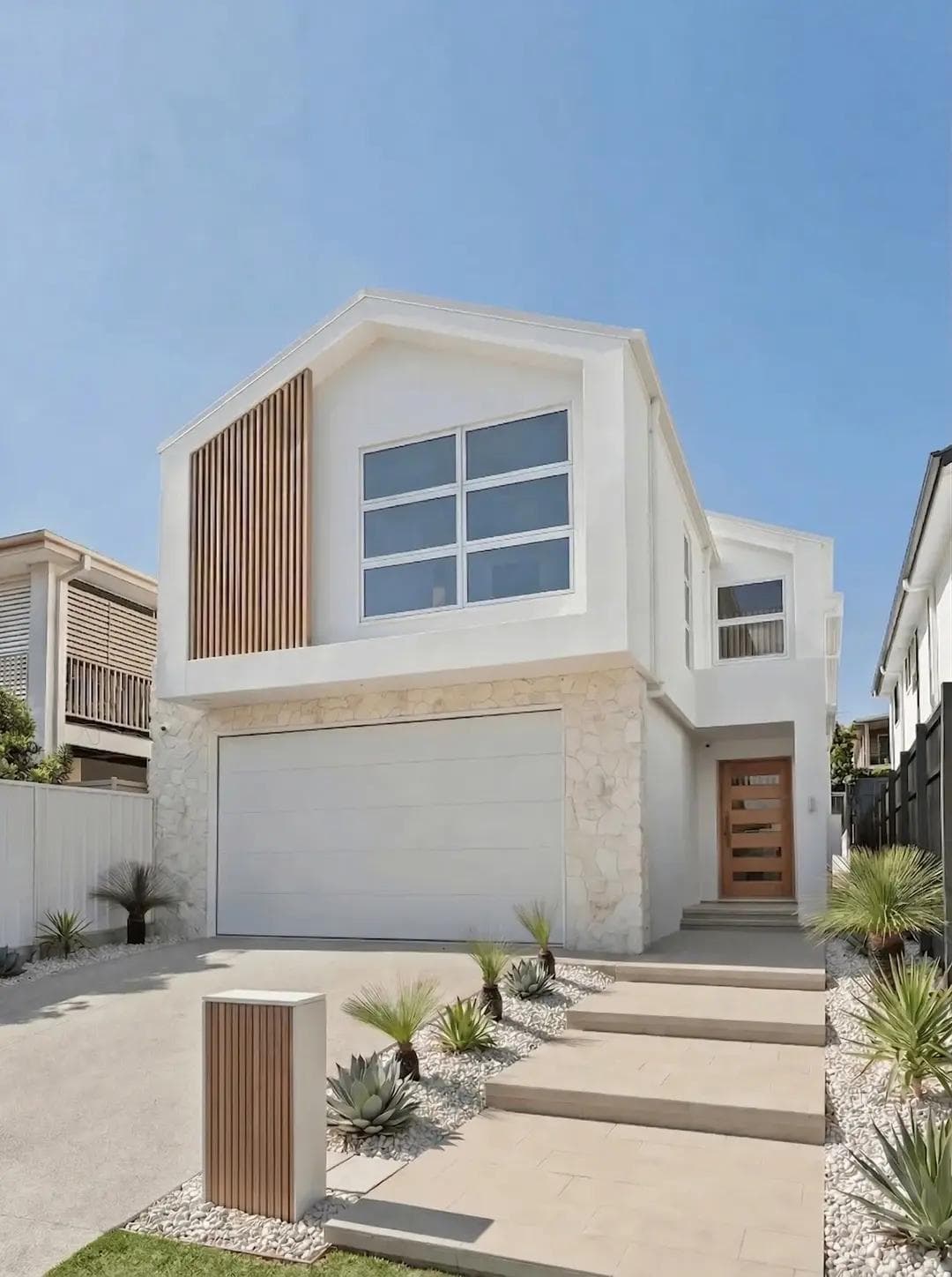
Building Guides7 min read
Knockdown Rebuild in Brisbane: The Step-by-Step Process
How a knockdown rebuild works in Brisbane, step by step: feasibility, demolition approval, asbestos, services, soil testing, building approval and construction.